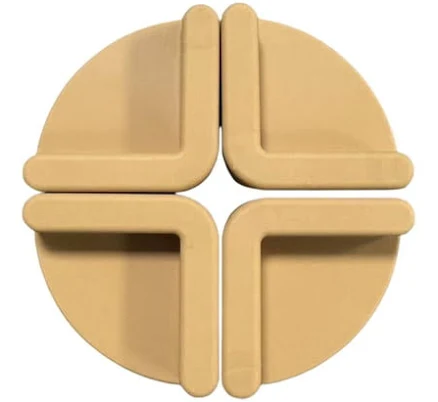
· Silicone Cutting & Prep Boards
Silicone Cutting Board Mat Nonslip Kitchen Counter Protectors For Secure Preparation And, Is It Non-Toxic?
Lower concern. Silicone mats rarely use PFAS, but verify product details.
These silicone cutting board mats carry inherently lower PFAS risk without nonstick coatings. No brand PFAS disclosure appears in public materials about standard food-grade silicone.
The better-graded swap
Fiskars
Functional Form Cutting Board Set, 3-Piece
85/100 safety
Same rubric that flunked this product. The swap earned Excellent.
Still want this one anyway? Check the price on Amazon. We’d swap it.
Material
silicone, nonslip base
Lab data
No public lab test
You may also be interested in
Top-graded picks in the categories readers replace first, every one scored on the same rubric.

- polypropylene filter housing, carbon/sediment cartridge
- We found no PFAS statement from the brand
- Bacterial growth in spent cartridges
3 hazards checked on this product, all on its full breakdown.

Aquasure
Premier Series 75 GPD Under Sink Reverse Osmosis Water Filtration System
- RO membrane, carbon filters, stainless steel housing
- We found no PFAS statement from the brand
- Bacterial and microbial growth in housing and filters
4 hazards checked on this product, all on its full breakdown.

Avocado
Vegan Mattress
- organic cotton, natural latex, coconut coir, recycled steel coils
- The brand calls it PFAS-free, which we have not verified
- Heavy metals
2 hazards checked on this product, all on its full breakdown.
Is Silicone Cutting Board Mat Preparation non-toxic? What it is made of
This product is a food-grade silicone mat, a polymer that does not contain lead, cadmium, or ceramic glazes prone to leaching. Silicone is thermally stable and does not degrade or off-gas significant volatile compounds at normal cooking temperatures (up to roughly 400-450°F, depending on formulation). The nonslip base is typically a textured silicone or rubberized coating applied to the underside, which poses minimal chemical risk under standard use. Unlike Teflon-type coating-coated cookware, silicone mats do not release fumes even at higher temperatures.
What’s concerning
Category baseline
The starting point for this type of product, before anything specific to this product is counted.
No PFAS disclosure
No public statement from the brand about PFAS in this product.
Nonslip base coating leaching or off-gassing
The rubber or elastomer nonslip undercoat is not detailed in most product specifications. If it contains recycled rubber or synthetic polymers, minimal low-temperature off-gassing is theoretically possible, but this would not contact food. Exposure risk is negligible for a passive kitchen mat.
Bacterial growth or mold in grooves
Textured or embossed silicone mats can trap moisture and food particles in surface grooves if not dried promptly after washing. This is a hygiene concern, not a chemical hazard, managed by thorough drying and regular washing.
Adhesive or glue off-gassing from the nonslip base attachment
The bond between the silicone top and the nonslip base is typically adhesive-applied. If low-quality adhesive is used, minor volatile organic compound (VOC) emissions are possible when the mat is new. Airing the mat for 24-48 hours before use can reduce any initial odor; this is a comfort issue rather than a documented health risk.
What’s reassuring
Base material not linked to PFAS
The main material recorded for this product is not one associated with PFAS.
Silicone degradation and microparticle shedding
Food-grade silicone is chemically stable and does not shed microparticles into food under normal cutting and washing use. No recalls or complaints on record for silicone mats or the product category.
Lead
Silicone products are not typically glazed or enameled; color is mixed into the polymer itself. FDA-approved food-contact silicone formulations exclude lead and cadmium, and products sold in the U.S. market are subject to federal consumer product safety rules.
Source, ATSDR ↗How is this PFAS grade calculated?
The brand's record and disclosure
The brand, a subsidiary of Conair, has not faced major product safety recalls or controversies specific to silicone kitchen mats. The company does not maintain a publicly transparent PFAS disclosure policy across its product lines, though silicone products are inherently unlikely to contain intentional PFAS. No third-party safety certifications (such as FDA food-contact approval or NSF certification) are commonly advertised for budget silicone mats in this price segment, but silicone itself is FDA-recognized for food contact use.
How it compares in its category
Silicone cutting board mats have lower concern for chemical leaching compared to wood or plastic because the material is chemically inert and does not leach into food or absorb bacteria as readily as those materials. They avoid the coating degradation risks of traditional nonstick cookware and the potential phthalate or BPA concerns associated with softer plastics. However, they are passive surfaces (not heated cookware), so they avoid the thermal stress that activates hazards in other kitchen items. The nonslip base may wear over time but does not typically shed microparticles into food.
If you buy it
Wash the mat by hand or in a dishwasher; silicone tolerates both without degradation. Do not expose it to direct flame or cut directly on it with sharp knives for prolonged periods, as this can scar the surface and collect food debris in grooves. Replace if the nonslip base becomes sticky or gummy over years of use, which signals minor breakdown of the base coating. Store flat or rolled loosely in a cool, dry place; sunlight and heat are not hazards, but storage conditions affect longevity.
What is not known about PFAS in this product?
- Basis
- Model estimate, 78% confidence, not a lab result
- Lab test
- None on record for this exact product
- Brand statement
- has made a specific claim
Formulations change between production runs, so check the current label. How we grade.
What are the PFAS-free alternatives to Silicone Cutting Board Mat Nonslip Kitchen Counter Protectors For Secure Preparation And?
- Polypropylene or similar plastic; no nonstick or waterproof coating disclosed
- We found no PFAS statement from the brand
- Microplastic shedding from cutting action
4 hazards checked on this product, all on its full breakdown.
More silicone cutting & prep boards grades
How we score, every product runs through the same public 0-100 rubric based on materials, coatings, brand disclosure, lab findings, and recalls. See the full methodology → Spotted a mistake? Report an error.