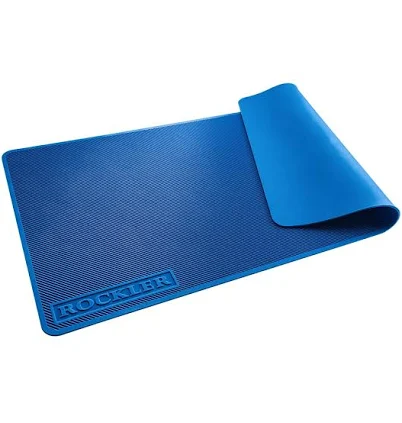
· Silicone Cutting & Prep Boards
Rockler Silicone Project Mat, Is It Non-Toxic?
Silicone project mat has lower concern for PFAS based on material recorded.
Material as recorded is silicone, not a material linked to PFAS. No water-repellent finish or coating on record. The brand has no PFAS statement on record.
The better-graded swap
Fiskars
Functional Form Cutting Board Set, 3-Piece
85/100 safety
Same rubric that flunked this product. The swap earned Excellent.
Still want this one anyway? Check the price on Amazon. We’d swap it.
Material
silicone
Lab data
No public lab test
You may also be interested in
Top-graded picks in the categories readers replace first, every one scored on the same rubric.

- polypropylene filter housing, carbon/sediment cartridge
- We found no PFAS statement from the brand
- Bacterial growth in spent cartridges
3 hazards checked on this product, all on its full breakdown.

Aquasure
Premier Series 75 GPD Under Sink Reverse Osmosis Water Filtration System
- RO membrane, carbon filters, stainless steel housing
- We found no PFAS statement from the brand
- Bacterial and microbial growth in housing and filters
4 hazards checked on this product, all on its full breakdown.

Avocado
Vegan Mattress
- organic cotton, natural latex, coconut coir, recycled steel coils
- The brand calls it PFAS-free, which we have not verified
- Heavy metals
2 hazards checked on this product, all on its full breakdown.
Is Rockler Silicone Project Mat non-toxic? What it is made of
This product is a silicone work surface, not cookware that contacts heat directly during cooking. Food-grade silicone is a synthetic rubber polymer that does not leach into food or liquids at room temperature, unlike glazed ceramics or non-stick coatings. Silicone mats are inert and resistant to degradation from normal kitchen use, cutting, and washing. The material has no volatile compounds that off-gas under typical conditions.
What’s concerning
No PFAS disclosure
No public statement from the brand about PFAS in this product.
Category baseline
The starting point for this type of product, before anything specific to this product is counted.
Bacterial or mold growth if unmaintained
Silicone surfaces are nonporous and resist microbial colonization better than cloth or wood. However, if mat is stored wet or in warm, humid conditions, mildew could develop on the surface; regular drying and ventilation prevent this.
Migration of manufacturing residue or plasticizers
Some silicone products retain manufacturing oils or uncrosslinked oligomers that may transfer to food if the mat is not washed before first use. This is a quality-control issue, not an inherent material risk; one pre-use wash mitigates it.
What’s reassuring
Base material not linked to PFAS
The main material recorded for this product is not one associated with PFAS.
Silicone leaching
Food-grade silicone is chemically inert at room temperature and does not leach oligomers into food or water under normal use. No established health risk from this material class in peer-reviewed literature or regulatory action.
Coating degradation over time
Silicone is not a coating; it is the bulk material itself. It does not peel, chip, or flake like ceramic glazes or non-stick Teflon-type coating films, so no risk of ingesting foreign particles from surface failure.
Lead
This hazard applies to glazed ceramics and enameled iron, not silicone. Silicone mats are not decorated with pigmented glazes or metal-containing dyes, so no exposure route exists.
Source, ATSDR ↗How is this PFAS grade calculated?
The brand's record and disclosure
The brand is owned by Instant Brands and has a long history in cookware safety, though formal PFAS disclosure is limited across their product range. No major recalls or safety controversies specific to silicone project mats have been documented. The brand's silence on PFAS reflects industry-wide opacity rather than a known problem with this particular product line.
How it compares in its category
Silicone project mats present lower concern for lead or cadmium exposure compared to traditional glazed ceramic or stoneware work surfaces, which may contain these metals in decorative coatings. They avoid the Teflon-type coating fume risk of non-stick cookware and do not degrade like plastic cutting boards that shed microplastics. Silicone is also more durable than cloth work mats, which can harbor bacteria and are harder to sanitize.
If you buy it
Wash the mat by hand or in the dishwasher before first use to remove manufacturing residue. Store flat or rolled to prevent creasing that could trap bacteria. Replace only if surface becomes sticky, stained, or visibly torn; silicone does not degrade on a typical timeline. Avoid placing it directly on high heat (above 400F), though the mat itself is heat-resistant up to 450F for brief contact.
What is not known about PFAS in this product?
- Basis
- Model estimate, 82% confidence, not a lab result
- Lab test
- None on record for this exact product
- Brand statement
- has made a specific claim
Formulations change between production runs, so check the current label. How we grade.
What are the PFAS-free alternatives to Rockler Silicone Project Mat?
- Polypropylene or similar plastic; no nonstick or waterproof coating disclosed
- We found no PFAS statement from the brand
- Microplastic shedding from cutting action
4 hazards checked on this product, all on its full breakdown.
More silicone cutting & prep boards grades
How we score, every product runs through the same public 0-100 rubric based on materials, coatings, brand disclosure, lab findings, and recalls. See the full methodology → Spotted a mistake? Report an error.