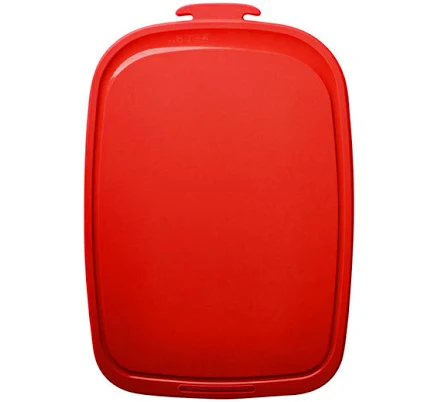
· Silicone Cutting & Prep Boards
Silipot Silicone Cutting Board, Is It Non-Toxic?
Lower PFAS concern; silicone cutting boards generally not PFAS-prone.
Silicone is a non-Teflon-family coating elastomer rarely formulated with PFAS. No brand PFAS disclosure exists, yet the material itself carries lower inherent risk than nonstick coatings.
The better-graded swap
Fiskars
Functional Form Cutting Board Set, 3-Piece
85/100 safety
Same rubric that flunked this product. The swap earned Excellent.
Still want this one anyway? Check the price on Amazon. We’d swap it.
Material
silicone (non-Teflon-type coating elastomer)
Brand disclosure
Brand is silent on PFAS
Lab data
No public lab test
You may also be interested in
Top-graded picks in the categories readers replace first, every one scored on the same rubric.

- polypropylene filter housing, carbon/sediment cartridge
- We found no PFAS statement from the brand
- Bacterial growth in spent cartridges
3 hazards checked on this product, all on its full breakdown.

Aquasure
Premier Series 75 GPD Under Sink Reverse Osmosis Water Filtration System
- RO membrane, carbon filters, stainless steel housing
- We found no PFAS statement from the brand
- Bacterial and microbial growth in housing and filters
4 hazards checked on this product, all on its full breakdown.

Avocado
Vegan Mattress
- organic cotton, natural latex, coconut coir, recycled steel coils
- The brand calls it PFAS-free, which we have not verified
- Heavy metals
2 hazards checked on this product, all on its full breakdown.
Is Silipot Silicone Cutting Board non-toxic? What it is made of
Silicone cutting boards are made from cross-linked silicone polymers, a synthetic elastomer distinct from PVC or other plastics. Unlike ceramic or enamel cookware, silicone has no glazes, coatings, or metal substrates that can degrade or leach. Food-contact silicone is chemically stable across typical kitchen temperatures (up to 400F for most consumer grades) and does not release monomers or oligomers into food under normal use. The material is non-porous, reducing bacterial harboring compared to wood or older plastic boards.
What’s concerning
Category baseline
The starting point for this type of product, before anything specific to this product is counted.
No PFAS disclosure
No public statement from the brand about PFAS in this product.
Lead
The brand does not publicly disclose pigment sourcing or heavy-metal testing for their colored silicone products. Consumer-grade silicone can contain carbon black or organic dyes, which are typically benign, but independent lab verification is absent from available product information.
Source, ATSDR ↗What’s reassuring
Base material not linked to PFAS
The main material recorded for this product is not one associated with PFAS.
Polymer leaching or off-gassing
Food-contact silicone is chemically inert at kitchen temperatures and does not release detectable monomers, oligomers, or volatile compounds into food or air. No documented leaching of concern in peer-reviewed literature or FDA advisories for silicone cutting boards.
Coating degradation over time
Silicone is not a coating; it is the bulk material. Unlike nonstick or enamel cookware, there is no separate surface layer to chip, peel, or release particles. Silicone may scratch or tear but does not flake into food.
Bacterial growth or microbial safety
Silicone's non-porous surface resists bacterial colonization better than wood or cloth; no evidence of pathogen harboring specific to silicone cutting boards. Proper hand-washing practices apply to any cutting board material.
Thermal stability and heat-related off-gassing
Food-contact silicone is rated for continuous use up to 400-450F depending on grade. No reports of odor, vapor, or toxin release when used for cold food preparation or as a cutting board at room temperature.
How is this PFAS grade calculated?
The brand's record and disclosure
The brand is an Italian kitchen-products manufacturer known primarily for baking molds and silicone accessories; they have been in business since 1990 and supply professional and home markets. The company does not publicly advertise third-party certifications (FDA, BPA-free statements, or independent lab testing) on their cutting board products, nor do they post detailed material composition or toxicology data online. No major recalls, contamination incidents, or safety controversies are on record for silicone cookware products. Their silence on PFAS and regulatory compliance is typical for smaller European kitchen-ware brands but does not indicate a problem.
How it compares in its category
Silicone cutting boards are a lower-risk alternative to traditional materials in most chemical respects. Ceramic or wooden boards carry no leaching risk but can splinter or harbor bacteria; glass boards can shatter; plastic boards (polycarbonate, polyethylene) may contain BPA or phthalates depending on age and grade. Silicone boards avoid the coating-degradation risk of enameled steel or nonstick cookware, making them functionally simpler. They are not as durable as glass or wood over decades but require no seasoning, maintenance, or replacement of non-stick coatings.
If you buy it
Hand wash in warm soapy water rather than high-heat dishwasher cycles, as extreme temperatures can accelerate minor polymer breakdown over many years. Do not use knives with abrasive or metal edges that might scratch and degrade the surface. Replace if visible tears, gouging, or discoloration develops, though silicone is less prone to visible wear than plastic. Store flat or rolled in a cool, dry place to avoid warping; silicone is heat-stable but prolonged sun exposure or storage near heat sources can reduce lifespan.
What is not known about PFAS in this product?
- Basis
- Model estimate, 82% confidence, not a lab result
- Lab test
- None on record for this exact product
- Brand statement
- has made none
Formulations change between production runs, so check the current label. How we grade.
What are the PFAS-free alternatives to Silipot Silicone Cutting Board?
- Polypropylene or similar plastic; no nonstick or waterproof coating disclosed
- We found no PFAS statement from the brand
- Microplastic shedding from cutting action
4 hazards checked on this product, all on its full breakdown.
More silicone cutting & prep boards grades
How we score, every product runs through the same public 0-100 rubric based on materials, coatings, brand disclosure, lab findings, and recalls. See the full methodology → Spotted a mistake? Report an error.