Joseph Joseph · Silicone Cutting & Prep Boards
Joseph Joseph Chop2Pot Folding Board, Is It Non-Toxic?
Lower concern. Bare plastic cutting board with no obvious PFAS-linked coatings.
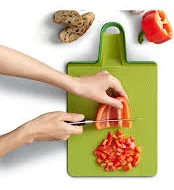
Chop2Pot is a folding polypropylene cutting board with silicone hinges and no nonstick coating, waterproofing, or stain treatment tied to PFAS. No public PFAS claims or testing was found.
The better-graded swap
Fiskars
Functional Form Cutting Board Set, 3-Piece
85/100 safety
Same rubric that flunked this product. The swap earned Excellent.
Still want this one anyway? Check the price on Amazon. We’d swap it.
Material
Polypropylene (food-grade plastic) with silicone hinges
Brand disclosure
Brand is silent on PFAS
Lab data
No public lab test
You may also be interested in
Top-graded picks in the categories readers replace first, every one scored on the same rubric.

- polypropylene filter housing, carbon/sediment cartridge
- We found no PFAS statement from the brand
- Bacterial growth in spent cartridges
3 hazards checked on this product, all on its full breakdown.

Aquasure
Premier Series 75 GPD Under Sink Reverse Osmosis Water Filtration System
- RO membrane, carbon filters, stainless steel housing
- We found no PFAS statement from the brand
- Bacterial and microbial growth in housing and filters
4 hazards checked on this product, all on its full breakdown.

Avocado
Vegan Mattress
- organic cotton, natural latex, coconut coir, recycled steel coils
- The brand calls it PFAS-free, which we have not verified
- Heavy metals
2 hazards checked on this product, all on its full breakdown.
Is Joseph Joseph Chop2Pot Folding Board non-toxic? What it is made of
The Chop2Pot is injection-molded food-grade polypropylene (PP), a thermoplastic polymer chosen for its durability, flexibility, and FDA clearance for direct food contact. Polypropylene does not leach BPA or phthalates under normal kitchen conditions because it lacks the chemical precursors that trigger those contaminants in polycarbonate or vinyl plastics. The silicone hinges are separate components and also food-safe when unfilled, though their long-term integrity under repeated folding stress is the primary mechanical concern rather than a chemical one.
What’s concerning
Category baseline
The starting point for this type of product, before anything specific to this product is counted.
No PFAS disclosure
No public statement from the brand about PFAS in this product.
Microplastic shedding when heated
Polypropylene can shed microscopic particles under repeated mechanical stress and heating above 100 degrees Celsius. Use at temperatures below boiling and avoid abrading surfaces with sharp metal utensils to minimize risk.
Bacterial growth in hinges or seams
The folding hinge and seam areas can trap moisture and food debris if not cleaned thoroughly, creating microhabitats for bacterial growth. This is a design consideration rather than an inherent material hazard; proper care mitigates it.
Silicone hinge degradation and leachates
Silicone is generally recognized as low concern for food contact, but repeated flexing and heat cycling can degrade hinge material over time, potentially releasing oligomers. No specific leachate hazards are established for food-grade silicone in this application, but lifespan is limited.
What’s reassuring
Base material not linked to PFAS
The main material recorded for this product is not one associated with PFAS.
BPA & bisphenols
Food-grade polypropylene does not contain bisphenol compounds or phthalate plasticizers by formulation; no documented leaching reported for this product or polypropylene cutting boards in general.
Source, FDA ↗Heavy metals
If the board is colored, polypropylene colorants are not known to contain lead or cadmium in regulated food-contact products; no documented contamination for this brand or product type.
Source, FDA ↗How is this PFAS grade calculated?
The brand's record and disclosure
Joseph Joseph does not publicly disclose third-party safety certifications (e.g., NSF) or formal PFAS testing statements for this product, which is typical for small kitchen-tool brands and does not constitute a red flag. No product recalls or established safety failures for this model have been documented in public databases. The brand is known for design-focused consumer goods and has not faced major chemical-safety controversies on record.
How it compares in its category
This cutting board avoids the primary hazards of ceramic boards (glaze lead/cadmium risk) and coated wood boards (potential formaldehyde in adhesives). Compared to silicone mats or bamboo alternatives, polypropylene offers comparable safety with lower manufacturing complexity, though it is less durable long-term. Most mainstream plastic cutting boards of this type present similar or identical chemical profiles.
If you buy it
Polypropylene softens around 140-150 degrees Celsius, so avoid direct contact with very hot pots or boiling water; hand-wash or use the top rack of a dishwasher (check label). Replace the board if silicone hinges degrade, crack, or show permanent discoloration, as this can compromise food-contact safety and harbor bacteria. Clean regularly with mild soap and air-dry to prevent mold in the fold seams. Do not use for raw poultry on the same side used for ready-to-eat foods to prevent cross-contamination (standard food-safety practice, not material-specific).
What is not known about PFAS in this product?
- Basis
- Model estimate, 82% confidence, not a lab result
- Lab test
- None on record for this exact product
- Brand statement
- Joseph Joseph has made none
Formulations change between production runs, so check the current label. How we grade.
What are the PFAS-free alternatives to Joseph Joseph Chop2Pot Folding Board?
- Polypropylene or similar plastic; no nonstick or waterproof coating disclosed
- We found no PFAS statement from the brand
- Microplastic shedding from cutting action
4 hazards checked on this product, all on its full breakdown.
More silicone cutting & prep boards grades
How we score, every product runs through the same public 0-100 rubric based on materials, coatings, brand disclosure, lab findings, and recalls. See the full methodology → Spotted a mistake? Report an error.