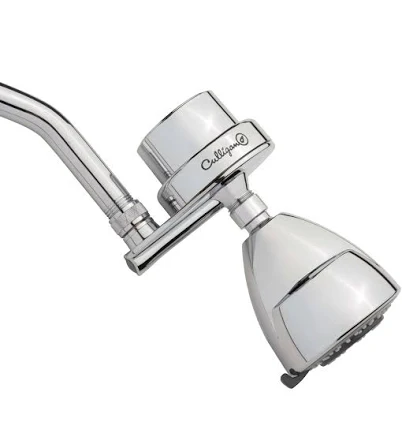
Culligan ISH-200C In-Line Shower Filter
Lower-concern choice; carbon filters are standard water treatment, but Culligan makes no PFAS-removal claims.
This in-line filter uses activated carbon and GAC media without inherent PFAS content. Culligan does not disclose whether this filter removes PFAS contaminants from water.
We flunk more products than we pass. This one earned its grade. How we grade
Material
activated carbon and GAC (granular activated carbon) filter media
Lab data
No public lab test
You may also be interested in
Top-graded picks in the categories readers replace first, every one scored on the same rubric.

- polypropylene filter housing, carbon/sediment cartridge
- We found no PFAS statement from the brand
- Bacterial growth in spent cartridges
3 hazards checked on this product, all on its full breakdown.

Aquasure
Premier Series 75 GPD Under Sink Reverse Osmosis Water Filtration System
- RO membrane, carbon filters, stainless steel housing
- We found no PFAS statement from the brand
- Bacterial and microbial growth in housing and filters
4 hazards checked on this product, all on its full breakdown.

Avocado
Vegan Mattress
- organic cotton, natural latex, coconut coir, recycled steel coils
- The brand calls it PFAS-free, which we have not verified
- Heavy metals
2 hazards checked on this product, all on its full breakdown.
What Culligan ISH-200C In-Line Shower Filter is made of, ingredients and materials
The Culligan ISH-200C uses activated carbon and granular activated carbon (GAC) as its filter media. Activated carbon works by adsorption, trapping chlorine, sediment, and some volatile organic compounds (VOCs) as water passes through. This is a passive mechanical/chemical process with no moving parts or chemical additives introduced into the water stream, making the core filtration mechanism inherently low-risk for leachables or contamination from the filter media itself.
What’s concerning
No PFAS disclosure
No public statement from the brand about PFAS in this product.
Bacterial or microbial growth in filter media
Activated carbon can support bacterial biofilm growth if water remains stagnant or if the cartridge is not replaced on schedule. No specific recalls or contamination incidents for this model are on record, but proper maintenance (regular replacement, periodic flushing) minimizes risk.
Activated carbon dust or particle migration
New or poorly pre-rinsed carbon filters can release fine carbon particles into the water stream initially. Flushing the cartridge for 1-2 minutes before first use is recommended to clear loose particles; this is a minor temporary concern, not a long-term hazard.
Filter cartridge compatibility or counterfeiting
Aftermarket or third-party replacement cartridges for Culligan models sometimes appear in commerce with uncertain composition or quality control. Purchasing genuine Culligan cartridges directly reduces the risk of receiving substandard activated carbon media.
What’s reassuring
Base material not linked to PFAS
The main material recorded for this product is not one associated with PFAS.
Filter housing material leachables (plastic components)
The ISH-200C housing is not detailed in available product literature; assuming standard plastic (acetal or polycarbonate). No leaching complaints or test data specific to this unit have been published. Standard polymer housings do not leach meaningfully at shower water temperatures (below 50C).
Chlorine residue or by-product breakthrough
Activated carbon is effective at reducing chlorine, but saturation over time reduces adsorption. When cartridges are replaced on schedule, chlorine reduction remains reliable. No data on disinfection byproduct formation in this specific model.
How is this PFAS grade calculated?
The brand's record and disclosure
Culligan is a long-established water treatment company with a presence in municipal and residential markets, but makes no public claims about PFAS removal in marketing materials for this model. The brand does not appear in major environmental health investigations or safety recalls specific to this product line. However, Culligan's disclosure stance on filter composition and testing protocols is minimal; independent third-party certifications (NSF, WQA) are not prominently documented for this inline shower filter variant, which limits transparency compared to some competitors.
How it compares in its category
Shower filters using activated carbon are among the most common and well-tolerated products in the water filtration space. This model is typical of mid-range consumer offerings; it lacks advanced media like KDF (copper-zinc) or speciality resins that some premium competitors include. Because shower filters treat only a portion of household water and expose the filter to lower pressures than whole-house systems, they present lower leaching risk than comparable undersink or faucet-mounted units.
If you buy it
Replace the filter cartridge every 6-12 months depending on water hardness and chlorine levels (typical manufacturer guidance). Store the unit in a cool, dry location before installation to prevent mold or bacterial growth in the carbon bed. Do not use boiling water or intentionally heat the filter housing. Inspect the unit for cracks or leaks before use; if water pressure drops significantly, replacement is due, as a saturated carbon bed loses adsorption capacity.
What is not known about PFAS in this product?
- Basis
- Model estimate, 72% confidence, not a lab result
- Lab test
- None on record for this exact product
- Brand statement
- Culligan has made a specific claim
Formulations change between production runs, so check the current label. How we grade.
What are the PFAS-free alternatives to Culligan ISH-200C In-Line Shower Filter?
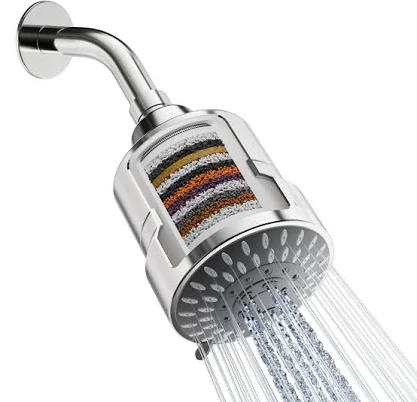
Mist 5-Mode High Pressure Filtered Shower Head
- ABS plastic head, stainless steel or brass internals, activated carbon filter media
- We found no PFAS statement from the brand
- ABS plastic thermal degradation
4 hazards checked on this product, all on its full breakdown.
More shower filters grades
How we score, every product runs through the same public 0-100 rubric based on materials, coatings, brand disclosure, lab findings, and recalls. See the full methodology → Spotted a mistake? Report an error.