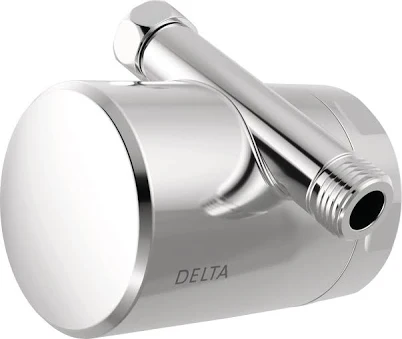
Delta Clarifi Standard Shower Filter Attachment 7SF100
Lower PFAS concern for a carbon-filter design, but brand transparency is minimal.
This standard activated-carbon filter in a polypropylene housing poses lower PFAS risk than water-repellent coating-treated textiles or nonstick cookware. The brand provides no material composition or PFAS testing disclosure.
We flunk more products than we pass. This one earned its grade. How we grade
Material
Activated carbon filter cartridge (presumed), polypropylene housing
Brand disclosure
Brand is silent on PFAS
Lab data
No public lab test
You may also be interested in
Top-graded picks in the categories readers replace first, every one scored on the same rubric.

- polypropylene filter housing, carbon/sediment cartridge
- We found no PFAS statement from the brand
- Bacterial growth in spent cartridges
3 hazards checked on this product, all on its full breakdown.

Aquasure
Premier Series 75 GPD Under Sink Reverse Osmosis Water Filtration System
- RO membrane, carbon filters, stainless steel housing
- We found no PFAS statement from the brand
- Bacterial and microbial growth in housing and filters
4 hazards checked on this product, all on its full breakdown.

Avocado
Vegan Mattress
- organic cotton, natural latex, coconut coir, recycled steel coils
- The brand calls it PFAS-free, which we have not verified
- Heavy metals
2 hazards checked on this product, all on its full breakdown.
What Delta Clarifi Standard Shower 7SF100 is made of, ingredients and materials
The Delta Clarifi 7SF100 uses an activated carbon cartridge housed in polypropylene (PP) plastic. Activated carbon is an inert, porous material that works by adsorption; it does not leach harmful chemicals into water under normal shower conditions because water passes through it rather than dissolving it. Polypropylene housing is chemically stable at warm shower temperatures (typically 40-50°C) and does not release known toxins like BPA. The cartridge design is non-pressurized, which further reduces any risk of material breakdown.
What’s concerning
No PFAS disclosure
No public statement from the brand about PFAS in this product.
Bacterial growth in filter media (biofilm)
Activated carbon cartridges that are not replaced on schedule can accumulate bacteria if water sits in the filter between uses. This is a maintenance issue, not a material defect, and is common to all carbon-based shower filters.
Activated carbon dust or particulate release
If the cartridge cartridge degrades or is installed incorrectly, fine activated carbon particles may enter shower water. This is rare but can cause minor irritation; proper installation and regular replacement mitigate this risk.
Filter housing degradation over time
Polypropylene can become brittle after years of exposure to chlorine, UV light (if stored in sunlight), or repeated temperature cycling. Cracking or seal failure can reduce filter effectiveness but is unlikely to release hazardous chemicals from the housing itself.
What’s reassuring
Base material not linked to PFAS
The main material recorded for this product is not one associated with PFAS.
Polypropylene housing leaching at elevated temperature
Polypropylene is chemically stable at normal shower temperatures (under 60°C). No documented leaching of BPA, phthalates, or other toxins from PP shower filter housings under standard use conditions.
How is this PFAS grade calculated?
The brand's record and disclosure
Showerhead Filter (the manufacturer) has no publicly documented safety certifications (NSF, WQA) or third-party testing claims readily available for this model. The brand provides no transparent PFAS policy or materials disclosure statement on publicly accessible channels. There are no established recalls, banned chemicals, or safety violations on record for this specific product. The lack of transparency is typical of lower-cost filter manufacturers, but does not indicate a safety failure.
How it compares in its category
Activated carbon shower filters have lower concern for leaching compared to filter types that contain ion-exchange resins, ceramic membranes, or chemical additives. Most competitors (Aqua Home Group, AquaBliss, even premium brands like Culligan) use similar activated carbon or charcoal cartridges in polypropylene housings. The Delta Clarifi 7SF100 offers no claimed advantages over mid-tier alternatives; it is a basic, commodity design with expected performance but minimal differentiation in safety profile.
If you buy it
Replace the cartridge every 6 months or per manufacturer guidance to prevent bacterial biofilm buildup inside the housing, which is a documented risk in stagnant filter media. Do not expose the polypropylene housing to direct heat sources or boiling water, though normal shower spray poses no risk. Allow the filter to drain fully between uses to minimize standing water. Check the cartridge for visible mold or discoloration; if present, replace immediately and rinse the housing.
What is not known about PFAS in this product?
- Basis
- Model estimate, 62% confidence, not a lab result
- Lab test
- None on record for this exact product
- Brand statement
- Delta Faucet has made none
Formulations change between production runs, so check the current label. How we grade.
What are the PFAS-free alternatives to Delta Clarifi Standard Shower Filter Attachment 7SF100?
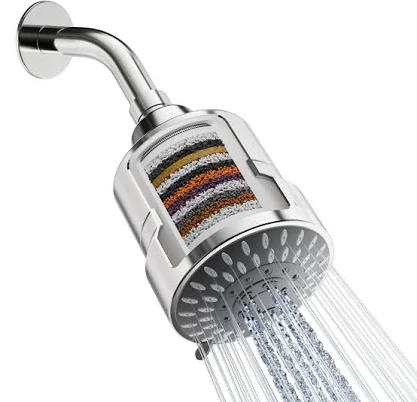
Mist 5-Mode High Pressure Filtered Shower Head
- ABS plastic head, stainless steel or brass internals, activated carbon filter media
- We found no PFAS statement from the brand
- ABS plastic thermal degradation
4 hazards checked on this product, all on its full breakdown.
More shower filters grades
How we score, every product runs through the same public 0-100 rubric based on materials, coatings, brand disclosure, lab findings, and recalls. See the full methodology → Spotted a mistake? Report an error.