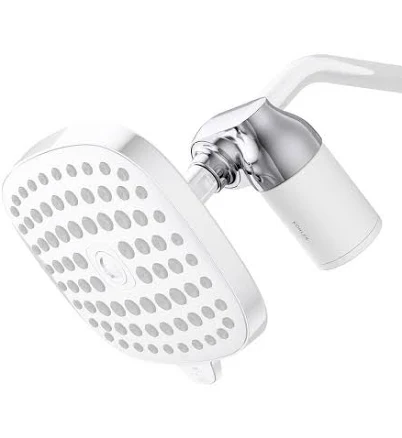
KOHLER Aquifer Shower Water Filtration System
Lower PFAS concern for typical carbon and plastic filtration, but brand has not disclosed PFAS use.
This filter uses activated carbon filtration with lower inherent PFAS risk than stain or water-resistant products. Kohler provides no public transparency on PFAS, material sourcing, or third-party testing.
We flunk more products than we pass. This one earned its grade. How we grade
Material
Activated carbon filter media, plastic housing
Brand disclosure
Brand is silent on PFAS
Lab data
No public lab test
You may also be interested in
Top-graded picks in the categories readers replace first, every one scored on the same rubric.

- polypropylene filter housing, carbon/sediment cartridge
- We found no PFAS statement from the brand
- Bacterial growth in spent cartridges
3 hazards checked on this product, all on its full breakdown.

Aquasure
Premier Series 75 GPD Under Sink Reverse Osmosis Water Filtration System
- RO membrane, carbon filters, stainless steel housing
- We found no PFAS statement from the brand
- Bacterial and microbial growth in housing and filters
4 hazards checked on this product, all on its full breakdown.

Avocado
Vegan Mattress
- organic cotton, natural latex, coconut coir, recycled steel coils
- The brand calls it PFAS-free, which we have not verified
- Heavy metals
2 hazards checked on this product, all on its full breakdown.
What KOHLER Aquifer Shower Water System is made of, ingredients and materials
The Aquifer uses activated carbon filter media housed in plastic (likely polypropylene or ABS). Activated carbon is a well-established water treatment material with no known toxicity when used in filtration; it traps chlorine, sediment, and some organic compounds without leaching harmful substances into water. The plastic housing is not heated and does not contact drinking water at temperature, so leaching risk from BPA or phthalates is minimal under normal shower conditions.
What’s concerning
No PFAS disclosure
No public statement from the brand about PFAS in this product.
Bacterial biofilm growth in filter media
Activated carbon can support microbial growth if the filter is not replaced regularly or if water sits stagnant between uses. This is a maintenance issue, not a manufacturing defect, and is managed by following replacement schedules.
Filter media degradation or contaminant breakthrough
Exhausted carbon loses capacity to trap chlorine and organic compounds; continued use beyond recommended replacement may reduce water quality but does not introduce new toxins. This is performance degradation, not toxicological hazard.
What’s reassuring
Base material not linked to PFAS
The main material recorded for this product is not one associated with PFAS.
BPA & bisphenols
The plastic housing does not contact heated water or potable water directly under normal use; no BPA or phthalate leaching has been reported for this product. Risk is theoretical and negligible.
Source, FDA ↗Activated carbon dust or particulate shedding
Industrial-grade activated carbon filters are designed to contain media without shedding; no documented cases of carbon dust release from Kohler Aquifer units exist. Initial flushing removes any loose particles.
Housing crack or structural failure releasing internal components
No widespread reports of Aquifer housing failure exist; the molded plastic design is robust. Rare drops or impact damage could theoretically allow carbon particles to enter spray, but this would be visible and user-correctable.
How is this PFAS grade calculated?
The brand's record and disclosure
Kohler has not publicly released detailed PFAS testing or disclosure statements for its Aquifer line. The company maintains general product safety certifications (NSF, WQA) but does not prominently highlight material transparency for this category. No recalls or safety violations specific to the Aquifer shower filter are documented in public records.
How it compares in its category
Shower filters as a category carry lower chemical hazard risk than pitcher filters or under-sink systems because water contact is brief and non-potable. The Aquifer sits in the mainstream of carbon-based systems; it is comparable in material profile to EveryDrop, PUR, and Sprite alternatives. Kohler's brand reputation and NSF certification place it at lower concern relative to unlicensed or unverified brands.
If you buy it
Replace the filter cartridge every 6 months or per manufacturer guidance; exhausted carbon loses effectiveness and can harbor bacterial biofilm if water sits stagnant. Do not expose the plastic housing to prolonged heat (e.g., direct sunlight in a hot bathroom for months) as plastic degradation, though unlikely, could increase leaching. Flush the system with water for 30 seconds after installation. Store replacement cartridges in a cool, dry place to preserve carbon activation.
What is not known about PFAS in this product?
- Basis
- Model estimate, 65% confidence, not a lab result
- Lab test
- None on record for this exact product
- Brand statement
- Kohler has made none
Formulations change between production runs, so check the current label. How we grade.
What are the PFAS-free alternatives to KOHLER Aquifer Shower Water Filtration System?
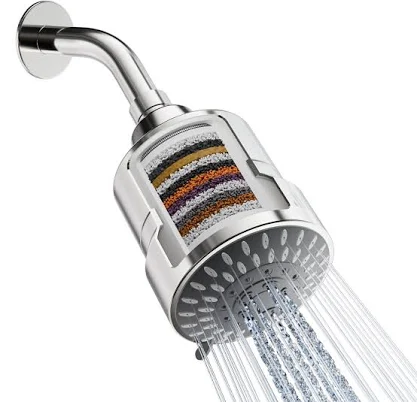
Mist 5-Mode High Pressure Filtered Shower Head
- ABS plastic head, stainless steel or brass internals, activated carbon filter media
- We found no PFAS statement from the brand
- ABS plastic thermal degradation
4 hazards checked on this product, all on its full breakdown.
More shower filters grades
How we score, every product runs through the same public 0-100 rubric based on materials, coatings, brand disclosure, lab findings, and recalls. See the full methodology → Spotted a mistake? Report an error.