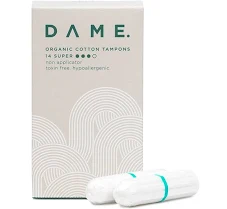
Dame Super Tampons (x14) Hypoallergenic 100% Plastic Free Tampons pH Neutral No Toxins 100% Compostable Fully Biodegrada
Low PFAS risk based on disclosed materials. No third-party verification.
Dame claims 100% organic cotton with plant-based plastic and full compostability, implying no PFAS coatings. No lab data or third-party certification available to confirm PFAS absence.
Brand says: “100% Plastic Free Tampons, No Toxins, 100% Compostable Fully Biodegradable”
We flunk more products than we pass. This one earned its grade. How we grade
Material
100% organic cotton, plant-based plastic
Brand disclosure
Brand claims PFAS-free
Lab data
No public lab test
What Dame Super Tampons (x14) Hypoallergenic is made of, ingredients and materials
Dame Super Tampons are constructed from 100% organic cotton for the absorbent core, which avoids synthetic fibers and conventional pesticide residues common in non-organic cotton. The applicator is plant-based plastic rather than conventional plastic or cardboard, reducing petroleum-derived material exposure. No bleach or synthetic fragrances are listed, and the pH-neutral formulation aligns with vaginal microbiome health. The 100% compostable claim indicates minimal synthetic binders or coatings, though third-party compostability certification is not named in available product information.
What’s concerning
Category baseline
The starting point for this type of product, before anything specific to this product is counted.
Bleaching byproducts (dioxins/furans)
Organic cotton reduces pesticide load, but if any bleaching is used in processing, chlorine-based bleaching can produce trace dioxins. Dame does not disclose bleaching method; TCF (totally chlorine-free) or ECF (elemental chlorine-free) certification is absent from labeling.
Allergic contact dermatitis or irritation
The pH-neutral, fragrance-free formulation reduces irritant risk compared to scented tampons. However, individual sensitivity to cotton or plant-based materials cannot be ruled out; no allergy patch-test data is published.
What’s reassuring
Base material not linked to PFAS
The main material recorded for this product is not one associated with PFAS.
Brand-stated PFAS-free
The brand states this product is PFAS-free. We have not verified the claim.
Microfiber or fiber fragmentation
100% organic cotton fibers are naturally stable and shed minimally during normal use. Plant-based plastic applicators are not known to fragment or produce microplastics when handled as designed.
Toxic shock syndrome risk
No increased TSS risk has been attributed to organic cotton or plant-based applicators. Risk is universal to all tampon use and depends on duration of insertion and hygiene practices, not material composition.
Heavy metals
No colorants or pigments are named in the product description; applicators and string are undyed or naturally colored. No heavy metal contamination has been reported for Dame tampons.
Source, FDA ↗The full breakdown
The brand's record and disclosure
Dame has publicly positioned itself as a PFAS-free brand and discloses material sourcing on packaging. The brand makes no claims of third-party certifications (such as Organic Fiber Council or compostability standards like OK Compost), which means the compostability and organic cotton claims rely on brand disclosure. No recalls, safety controversies, or regulatory actions against Dame tampons are on record. The brand's marketing emphasizes transparency around what is excluded (no toxins, no plastics), though independent lab verification of these claims is not public.
How it compares in its category
Most conventional tampons use rayon blended with cotton, which increases absorbency but introduces chlorine-based bleaching byproducts. Organic cotton tampons like Dame's eliminate pesticide residues that may contaminate non-organic cotton fibers. Plant-based applicators are less common than conventional plastic or cardboard; this choice reduces petroleum input and improves end-of-life disposal. However, organic and plant-based tampons typically cost more and have lower retail availability than mass-market alternatives.
If you buy it
Store tampons in a cool, dry place away from direct moisture to prevent mold growth before use. Use the lowest absorbency suitable for your flow to minimize vaginal dryness and irritation. Change tampons every 4-8 hours and alternate with pads on lighter days to reduce toxic shock syndrome risk, as with any tampon. Dispose of used tampons in household waste (not toilets, despite the compostable claim) unless your local composter accepts period products; home composting may not reach the temperature needed for full decomposition.
What we don’t know
- Basis
- Model estimate, 78% confidence, not a lab result
- Lab test
- None on record for this exact product
- Brand statement
- Dame has made a specific claim
Formulations change between production runs, so check the current label. How we grade.
Better-graded alternatives in Tampons
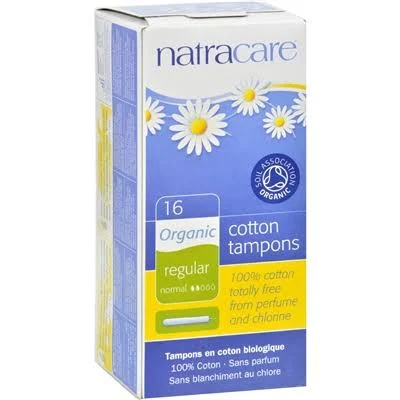
Natracare
100% Organic Cotton Tampons
- 100% organic cotton
- A third party reports verifying it as PFAS-free
- Heavy metals
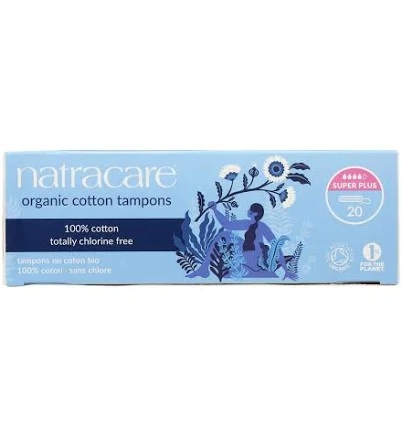
Natracare
Organic Super Plus Tampons, 3 x 20 ct
- organic cotton, cardboard applicator
- The brand calls it PFAS-free, which we have not verified
- Dioxins from bleaching
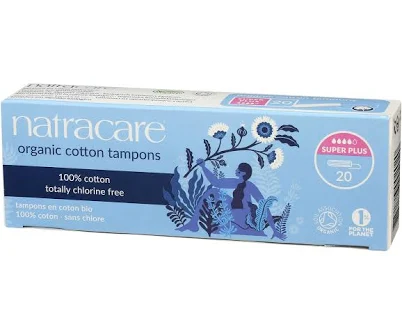
Natracare
Organic Cotton Super Plus Tampons
- organic cotton, no added fluorochemicals
- The brand calls it PFAS-free, which we have not verified
- Verified PFAS-free by a third party
More tampons grades
How we score, every product runs through the same public 0-100 rubric based on materials, coatings, brand disclosure, lab findings, and recalls. See the full methodology → Spotted a mistake? Report an error.