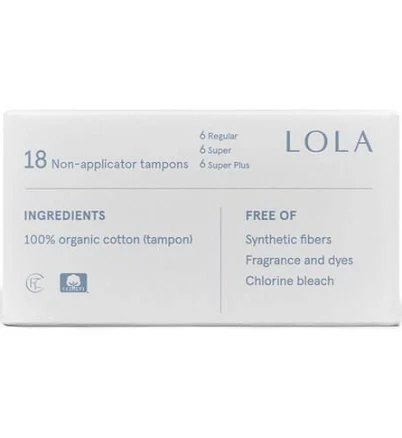
Lola Organic Tampons
No coating of concern recorded, and no PFAS statement from the brand.
The brand has published no PFAS statement for this product that we could find.
We flunk more products than we pass. This one earned its grade. How we grade
Material
organic cotton, cardboard applicator
Brand disclosure
Brand is silent on PFAS
Lab data
No public lab test
You may also be interested in
Top-graded picks in the categories readers replace first, every one scored on the same rubric.

- polypropylene filter housing, carbon/sediment cartridge
- We found no PFAS statement from the brand
- Bacterial growth in spent cartridges
3 hazards checked on this product, all on its full breakdown.

Aquasure
Premier Series 75 GPD Under Sink Reverse Osmosis Water Filtration System
- RO membrane, carbon filters, stainless steel housing
- We found no PFAS statement from the brand
- Bacterial and microbial growth in housing and filters
4 hazards checked on this product, all on its full breakdown.

Avocado
Vegan Mattress
- organic cotton, natural latex, coconut coir, recycled steel coils
- The brand calls it PFAS-free, which we have not verified
- Heavy metals
2 hazards checked on this product, all on its full breakdown.
What Lola Organic Tampons is made of, ingredients and materials
Lola tampons use certified organic cotton as the absorbent core, which means the fiber was grown without synthetic pesticides or fertilizers. The cardboard applicator is biodegradable and avoids plastic-related hazards like BPA or phthalate leaching. Organic cotton does not eliminate all chemical exposure during manufacturing (bleaching, spinning), but it substantially reduces pesticide residue compared to conventional cotton tampons. The absence of synthetic applicators and dyes lowers the overall chemical footprint of the product.
What’s concerning
No PFAS disclosure
No public statement from the brand about PFAS in this product.
Category baseline
The starting point for this type of product, before anything specific to this product is counted.
Dioxins and furans from bleaching
Organic cotton still undergoes bleaching during manufacturing. Modern regulated processes aim to minimize dioxin/furan formation, but trace levels may be present; long-term exposure via tampons is not established as a health concern at typical use levels, but complete absence cannot be guaranteed.
What’s reassuring
Base material not linked to PFAS
The main material recorded for this product is not one associated with PFAS.
Pesticide residue
Organic certification prohibits synthetic pesticides, significantly reducing residue risk compared to conventional cotton. No public reports of pesticide detection in certified organic tampons have been established.
Source, EPA ↗Formaldehyde / VOCs
Tampons typically do not use formaldehyde-releasing resins or finishes common in textiles. No evidence of formaldehyde concern in Lola tampons or organic cotton tampons as a class.
Source, ATSDR ↗Heavy metals
Organic certification includes testing for heavy metals in raw cotton. No public reports of lead, cadmium, or other metals in Lola tampons have been documented.
Source, FDA ↗Fragrance allergens or additives
Lola tampons are unfragranced and additive-free based on published ingredient lists. Fragrance-related sensitization is not a documented issue with this product.
How is this PFAS grade calculated?
The brand's record and disclosure
Lola markets itself as a transparency-focused feminine care brand and has published ingredient lists openly. The brand has not issued public PFAS statements, and no independent testing results flagging PFAS in Lola tampons have been recorded in public databases. Lola holds organic cotton certification (presumed GOTS or equivalent), which includes restrictions on heavy metals and certain chemical inputs. No recalls or health controversies specific to Lola tampons have been established in publicly available records.
How it compares in its category
Organic cotton tampons present lower concern in the menstrual product market, especially when paired with cardboard applicators that are not materials linked to plastic leachables and microplastics. Most conventional tampons use rayon or rayon-cotton blends and plastic applicators; rayon production can involve dioxins and furan precursors, though regulated levels in finished products are generally low. Lola's positioning as organic and applicator-minimal places it in the lower-risk subset of the category, though safety margins are tight across all modern tampons.
If you buy it
Store tampons in a dry place away from moisture and heat to prevent mold growth or degradation of the cardboard applicator. Use as directed and replace applicator waste responsibly (cardboard is compostable, but do not flush applicators). If you experience unusual irritation, itching, or vaginal infection, discontinue and consult a healthcare provider; sensitivities to cotton or bleaching residues are rare but possible. Rotate brands occasionally if you notice patterns of discomfort, as individual tolerance varies.
What is not known about PFAS in this product?
- Basis
- Model estimate, 82% confidence, not a lab result
- Lab test
- None on record for this exact product
- Brand statement
- Lola has made none
Formulations change between production runs, so check the current label. How we grade.
What are the PFAS-free alternatives to Lola Organic Tampons?
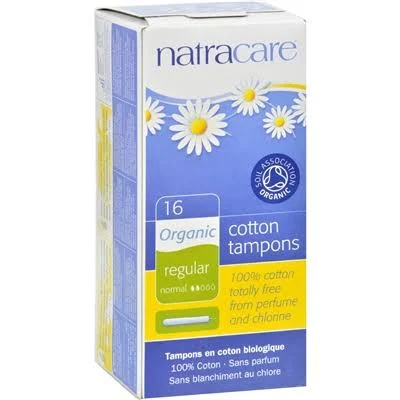
- 100% organic cotton
- A third party reports verifying it as PFAS-free
- Heavy metals
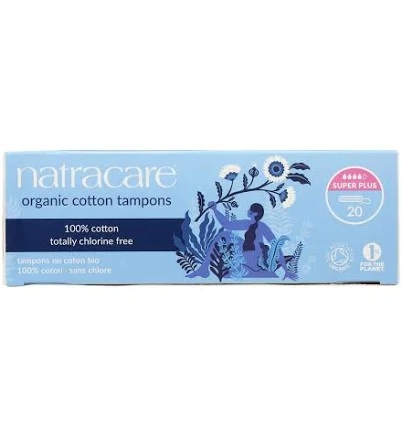
Natracare
Organic Super Plus Tampons, 3 x 20 ct
- organic cotton, cardboard applicator
- The brand calls it PFAS-free, which we have not verified
- Dioxins from bleaching
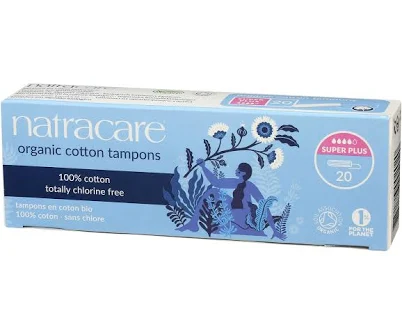
Natracare
Organic Cotton Super Plus Tampons
- organic cotton, no added fluorochemicals
- The brand calls it PFAS-free, which we have not verified
- Verified PFAS-free by a third party
More tampons grades
How we score, every product runs through the same public 0-100 rubric based on materials, coatings, brand disclosure, lab findings, and recalls. See the full methodology → Spotted a mistake? Report an error.