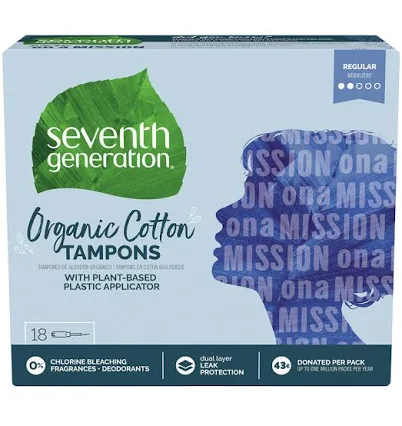
Seventh Generation Organic Cotton Tampons Applicator
Organic cotton with a cardboard applicator and no treatment on record, and no PFAS statement from the brand.
Organic cotton tampons with a cardboard applicator and no treatment on record. Seventh Generation has no PFAS statement on record for them, and an earlier record wrongly listed a MADE SAFE certification that MADE SAFE does not list for this product.
We flunk more products than we pass. This one earned its grade. How we grade
Material
organic cotton with cardboard applicator
Lab data
No public lab test
You may also be interested in
Top-graded picks in the categories readers replace first, every one scored on the same rubric.

- polypropylene filter housing, carbon/sediment cartridge
- We found no PFAS statement from the brand
- Bacterial growth in spent cartridges
3 hazards checked on this product, all on its full breakdown.

Aquasure
Premier Series 75 GPD Under Sink Reverse Osmosis Water Filtration System
- RO membrane, carbon filters, stainless steel housing
- We found no PFAS statement from the brand
- Bacterial and microbial growth in housing and filters
4 hazards checked on this product, all on its full breakdown.

Avocado
Vegan Mattress
- organic cotton, natural latex, coconut coir, recycled steel coils
- The brand calls it PFAS-free, which we have not verified
- Heavy metals
2 hazards checked on this product, all on its full breakdown.
What Seventh Generation Organic Applicator is made of, ingredients and materials
This product uses organic cotton for the absorbent core, meaning it is grown without synthetic pesticides or fertilizers, reducing residual chemical contamination compared to conventional cotton tampons. The cardboard applicator is a biodegradable alternative to plastic or plastic-coated applicators, eliminating concerns around microplastic shedding or BPA leaching from plastic components. Organic certification (typically GOTS or equivalent) audits the supply chain for banned dyes, heavy metals in dyes, and prohibited chemical treatments, though the final product is not necessarily tested for heavy metal contamination post-manufacturing.
What’s concerning
Category baseline
The starting point for this type of product, before anything specific to this product is counted.
No PFAS disclosure
No public statement from the brand about PFAS in this product.
Pesticide residue
Organic certification prohibits synthetic pesticide use during cultivation, but no public data confirms post-harvest testing for residual contamination. Risk is substantially lower than conventional cotton tampons, but not eliminated unless independent testing is disclosed.
Source, EPA ↗Heavy metals
GOTS organic certification restricts certain azo dyes and heavy metal content in dye processes, but the brand does not publish third-party lab results confirming lead, cadmium, or arsenic levels in the finished product. Standard for the category, but not uniquely transparent.
Source, FDA ↗Microbial contamination (bacteria, mold)
Cardboard applicators and organic cotton are hygroscopic and can absorb moisture if stored in humid conditions, creating environment for bacterial or mold growth. Proper storage (cool, dry) mitigates this. Tampon sterility standards are regulated but not independently verified on consumer packaging.
What’s reassuring
Base material not linked to PFAS
The main material recorded for this product is not one associated with PFAS.
Formaldehyde / VOCs
Organic cotton and cardboard materials are not typical carriers of formaldehyde releasers. No recalls or complaints on record for this product. This is a low-concern hazard for this material class.
Source, ATSDR ↗Allergens or fragrance sensitization
Seventh Generation markets this as unscented and hypoallergenic. No widely reported allergic reactions or contact dermatitis complaints are on record for this line, though individual sensitivity remains possible as with all tampons.
How is this PFAS grade calculated?
The brand's record and disclosure
Seventh Generation is owned by Unilever and markets itself on transparency, ingredient disclosure, and third-party certifications (USDA Organic, FSC certification for applicator materials). The brand publishes its ingredient statements openly and has no documented recalls or regulatory warnings specific to this tampon line. However, the brand does not publicly disclose third-party testing data for heavy metals, pesticide residues, or allergen screening, which is standard across the category.
How it compares in its category
Organic cotton tampons with non-plastic applicators represent a mid-range safety profile within period care. They avoid synthetic chemical dyes and treatments present in some conventional brands, and eliminate plastic applicator leaching risks. Most major organic cotton tampon brands (Seventh Generation, Cora, Aunt Flow, etc.) lack independent third-party testing data for heavy metals or pesticide residues, so differentiation on safety is limited. Cardboard applicators are considered lower environmental concern than plastic but offer no direct health advantage over plastic in terms of internal safety.
If you buy it
Store in a cool, dry place to prevent moisture absorption into the cardboard applicator, which can degrade structural integrity. Tampons have no special heat or light sensitivity. Replace the product if you notice discoloration, mold, or odor changes, which would indicate microbial growth or packaging failure. Follow standard tampon safety practices, change every 4-8 hours to reduce toxic shock syndrome risk, and discontinue use if you experience irritation or allergic reactions.
What is not known about PFAS in this product?
- Basis
- Model estimate, 82% confidence, not a lab result
- Lab test
- None on record for this exact product
- Brand statement
- Seventh Generation has made a specific claim
Formulations change between production runs, so check the current label. How we grade.
What are the PFAS-free alternatives to Seventh Generation Organic Cotton Tampons Applicator?
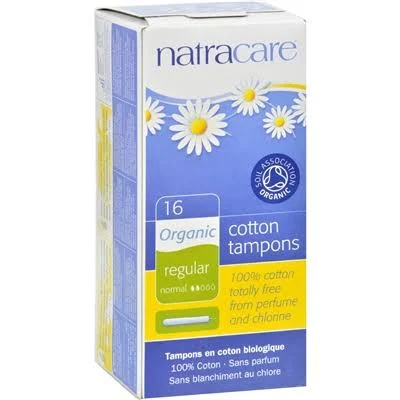
- 100% organic cotton
- A third party reports verifying it as PFAS-free
- Heavy metals
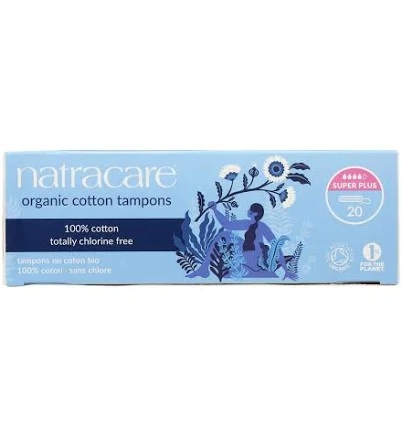
Natracare
Organic Super Plus Tampons, 3 x 20 ct
- organic cotton, cardboard applicator
- The brand calls it PFAS-free, which we have not verified
- Dioxins from bleaching
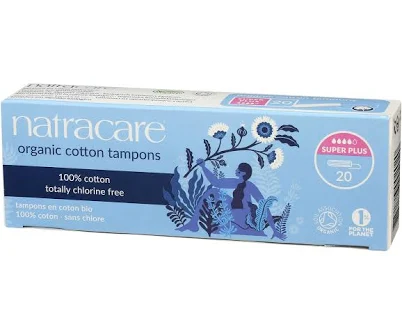
Natracare
Organic Cotton Super Plus Tampons
- organic cotton, no added fluorochemicals
- The brand calls it PFAS-free, which we have not verified
- Verified PFAS-free by a third party
More tampons grades
How we score, every product runs through the same public 0-100 rubric based on materials, coatings, brand disclosure, lab findings, and recalls. See the full methodology → Spotted a mistake? Report an error.