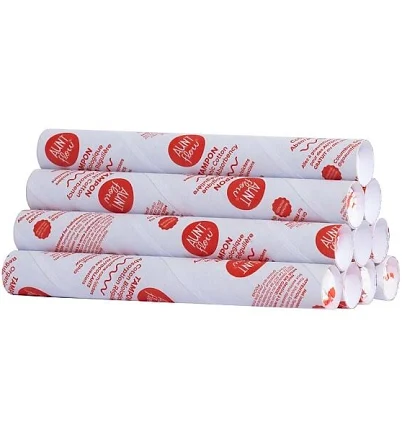
Aunt Flow Regular Absorbency Cotton Tampons
Brand PFAS statement on record, which we have not verified.
Aunt Flow says its period products are PFAS-free. We record that as an unverified brand claim.
Brand says: “Aunt Flow says its period products are PFAS-free.”
We flunk more products than we pass. This one earned its grade. How we grade
Material
cotton, rayon, cardboard applicator
Brand disclosure
Brand claims PFAS-free
Lab data
No public lab test
You may also be interested in
Top-graded picks in the categories readers replace first, every one scored on the same rubric.

- polypropylene filter housing, carbon/sediment cartridge
- We found no PFAS statement from the brand
- Bacterial growth in spent cartridges
3 hazards checked on this product, all on its full breakdown.

Aquasure
Premier Series 75 GPD Under Sink Reverse Osmosis Water Filtration System
- RO membrane, carbon filters, stainless steel housing
- We found no PFAS statement from the brand
- Bacterial and microbial growth in housing and filters
4 hazards checked on this product, all on its full breakdown.

Avocado
Vegan Mattress
- organic cotton, natural latex, coconut coir, recycled steel coils
- The brand calls it PFAS-free, which we have not verified
- Heavy metals
2 hazards checked on this product, all on its full breakdown.
What Aunt Flow Regular Cotton Tampons is made of, ingredients and materials
Aunt Flow Regular tampons combine cotton and rayon fibers in the absorbent core, with a cardboard applicator instead of plastic. Rayon is a cellulose-based semi-synthetic fiber derived from wood pulp and processed with chemical solvents; this is standard in the tampon industry and poses minimal residual chemical risk when properly manufactured. Cotton provides natural absorbency and reduces reliance on fully synthetic materials. The cardboard applicator eliminates plastic waste and typical applicator leachate concerns, though cardboard itself may contain trace process chemicals depending on pulping methods.
What’s concerning
Category baseline
The starting point for this type of product, before anything specific to this product is counted.
Cardboard applicator degradation and splinter risk
Cardboard can soften or fragment if exposed to moisture during storage or use; improper handling during insertion may cause minor irritation. This is a mechanical rather than chemical risk and is mitigated by careful insertion technique.
What’s reassuring
Brand-stated PFAS-free
The brand states this product is PFAS-free. We have not verified the claim.
Base material not linked to PFAS
The main material recorded for this product is not one associated with PFAS.
Rayon processing residues (trace solvents)
Rayon production involves sodium hydroxide and carbon disulfide; final products are rinsed, and no recalls or contamination reports are on record for Aunt Flow tampons specifically. Residual solvent risk is standard across the tampon category and considered negligible by regulatory bodies.
Pesticide residue
Aunt Flow does not explicitly claim organic cotton certification in publicly available sources, so conventional cotton pesticide exposure cannot be ruled out, but no product-specific contamination has been reported.
Source, EPA ↗Bleaching agents (chlorine or oxygen-based)
Cotton and rayon tampons are typically bleached for whiteness; Aunt Flow does not disclose bleaching method publicly. Residual chlorine is considered minimal in approved products, and no product-specific safety issues are documented.
Dye or colorant exposure (if applicator is dyed)
If the cardboard applicator uses inks or dyes, azo dyes or heavy metals are possible but not confirmed for this brand. No adverse reports are on record.
How is this PFAS grade calculated?
The brand's record and disclosure
Aunt Flow has publicly stated a PFAS-free position, which aligns with a direct-to-consumer brand model focused on transparency and ingredient disclosure. The brand does not appear in major product liability or safety recall databases as of public record. Third-party certifications or independent testing results are not widely documented in accessible sources, so the PFAS claim cannot be independently verified here, though it remains a stated commitment by the manufacturer.
How it compares in its category
Cardboard applicators are less common than plastic applicators in mass-market tampons but are increasingly chosen by brands positioning on sustainability and chemical avoidance. Cotton-rayon blends are industry standard; most tampons use rayon because it absorbs faster than cotton alone. Aunt Flow sits in the premium/ethical segment rather than the conventional drugstore category, reflecting higher ingredient sourcing standards but at a higher price point.
If you buy it
Use as directed on the package; tampons are single-use medical devices and should be replaced every 4-8 hours to reduce toxic shock syndrome risk, regardless of brand. Cardboard applicators require slightly more insertion care than plastic (less rigid), so practice applicator insertion if new to this type. Store in a cool, dry place; moisture exposure can compromise the cardboard structure. Discontinue use immediately if you experience unusual irritation, discharge changes, or allergic signs.
What is not known about PFAS in this product?
- Basis
- Model estimate, 82% confidence, not a lab result
- Lab test
- None on record for this exact product
- Brand statement
- Aunt Flow has made a specific claim
Formulations change between production runs, so check the current label. How we grade.
What are the PFAS-free alternatives to Aunt Flow Regular Absorbency Cotton Tampons?
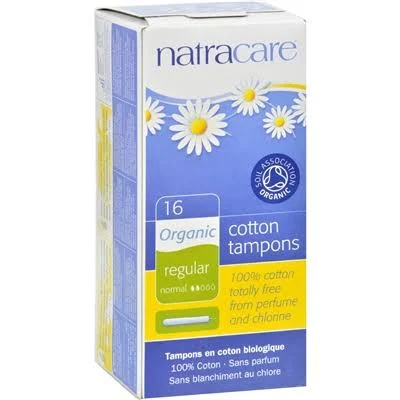
- 100% organic cotton
- A third party reports verifying it as PFAS-free
- Heavy metals
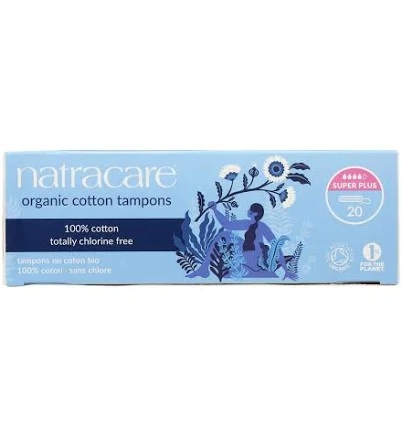
Natracare
Organic Super Plus Tampons, 3 x 20 ct
- organic cotton, cardboard applicator
- The brand calls it PFAS-free, which we have not verified
- Dioxins from bleaching
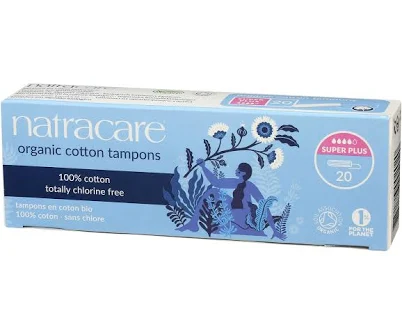
Natracare
Organic Cotton Super Plus Tampons
- organic cotton, no added fluorochemicals
- The brand calls it PFAS-free, which we have not verified
- Verified PFAS-free by a third party
More tampons grades
How we score, every product runs through the same public 0-100 rubric based on materials, coatings, brand disclosure, lab findings, and recalls. See the full methodology → Spotted a mistake? Report an error.