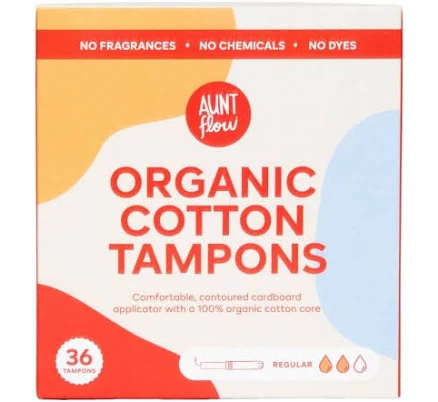
Aunt Flow Tampon Fragrance Free
Brand PFAS statement on record, which we have not verified.
Aunt Flow says its period products are PFAS-free. We record that as an unverified brand claim.
Brand says: “Aunt Flow says its period products are PFAS-free.”
We flunk more products than we pass. This one earned its grade. How we grade
Material
cotton, rayon, or viscose (typical tampon fibers)
Brand disclosure
Brand claims PFAS-free
Lab data
No public lab test
You may also be interested in
Top-graded picks in the categories readers replace first, every one scored on the same rubric.

- polypropylene filter housing, carbon/sediment cartridge
- We found no PFAS statement from the brand
- Bacterial growth in spent cartridges
3 hazards checked on this product, all on its full breakdown.

Aquasure
Premier Series 75 GPD Under Sink Reverse Osmosis Water Filtration System
- RO membrane, carbon filters, stainless steel housing
- We found no PFAS statement from the brand
- Bacterial and microbial growth in housing and filters
4 hazards checked on this product, all on its full breakdown.

Avocado
Vegan Mattress
- organic cotton, natural latex, coconut coir, recycled steel coils
- The brand calls it PFAS-free, which we have not verified
- Heavy metals
2 hazards checked on this product, all on its full breakdown.
What Aunt Flow Tampon Fragrance Free is made of, ingredients and materials
Aunt Flow tampons are constructed from cotton, rayon, or viscose fibers, all absorbent cellulosic materials standard in the category. These materials have no documented tendency to leach harmful chemicals under normal vaginal use. The fragrance-free formulation eliminates added fragrance compounds, which reduces exposure to potential allergens or irritants that can sensitize or inflame vaginal tissue. Cotton and rayon are also naturally biodegradable, differing from fully synthetic alternatives.
What’s concerning
Category baseline
The starting point for this type of product, before anything specific to this product is counted.
Formaldehyde / VOCs
Cotton and rayon production may involve formaldehyde-based resins for wrinkle resistance or sizing, though use in feminine hygiene products is not standard. No specific formaldehyde release data for Aunt Flow tampons has been published or reported.
Source, ATSDR ↗Microplastic or synthetic fiber shedding
If rayon or viscose is included in the blend, minimal microfiber shedding is possible during use, though cellulosic fibers are biodegradable and not persistent microplastics. No product-specific data on fiber integrity or shedding has been published.
What’s reassuring
Brand-stated PFAS-free
The brand states this product is PFAS-free. We have not verified the claim.
Base material not linked to PFAS
The main material recorded for this product is not one associated with PFAS.
Azo dyes and colorants
Fragrance-free Aunt Flow tampons are typically white or off-white; no information on record suggests use of synthetic azo dyes. Minimal risk in this product line given the lack of added coloration.
Talc contamination
Tampons do not use talc as a material or processing aid. This hazard class is not relevant to this product.
Fragrance allergens and irritants
Product is marketed as fragrance-free, which eliminates the primary source of allergenic fragrance chemicals. This positioning removes a common irritation vector in scented menstrual products.
How is this PFAS grade calculated?
The brand's record and disclosure
Aunt Flow has made a public claim of being PFAS-free, though that claim has not been independently verified by third-party testing on record. The brand operates within the feminine hygiene category where disclosure standards remain voluntary and unregulated by the FDA as medical devices or cosmetics. No significant safety recalls, contamination incidents, or regulatory actions against Aunt Flow tampons have been documented in public databases. The brand positions itself as transparency-focused but does not appear to hold third-party certifications such as GOTS or similar textile safety seals.
How it compares in its category
Fragrance-free tampons occupy a smaller segment of the market; most conventional brands (Tampax, Kotex) offer scented and unscented versions. Aunt Flow's material profile (organic or conventional cotton/rayon blend) is typical for the category and carries no elevated chemical risk versus name-brand competitors. The key differentiator is the brand's marketing emphasis on PFAS avoidance and sustainability rather than superior safety chemistry. Compared to applicator-based tampons, this product type presents no additional hazard from applicator plastics or coatings.
If you buy it
Use tampons as directed on packaging and change every 4 to 8 hours to reduce risk of toxic shock syndrome, regardless of brand. Do not leave a tampon in place longer than 8 hours. If you experience vaginal irritation, itching, or unusual discharge after use, discontinue and consult a healthcare provider. Store tampons in a clean, dry place away from moisture to prevent microbial growth; individually wrapped packages are designed for this purpose.
What is not known about PFAS in this product?
- Basis
- Model estimate, 78% confidence, not a lab result
- Lab test
- None on record for this exact product
- Brand statement
- Aunt Flow has made a specific claim
Formulations change between production runs, so check the current label. How we grade.
What are the PFAS-free alternatives to Aunt Flow Tampon Fragrance Free?
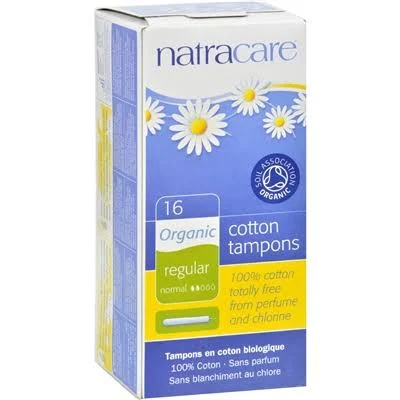
- 100% organic cotton
- A third party reports verifying it as PFAS-free
- Heavy metals
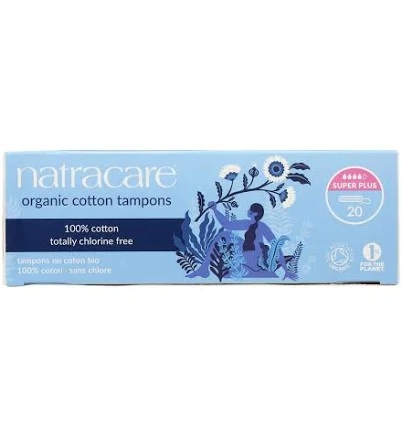
Natracare
Organic Super Plus Tampons, 3 x 20 ct
- organic cotton, cardboard applicator
- The brand calls it PFAS-free, which we have not verified
- Dioxins from bleaching
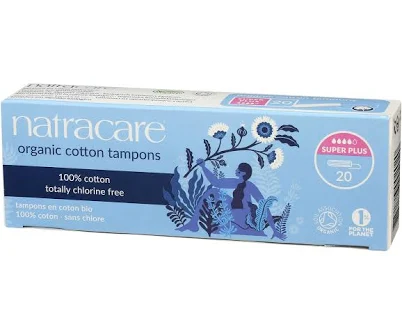
Natracare
Organic Cotton Super Plus Tampons
- organic cotton, no added fluorochemicals
- The brand calls it PFAS-free, which we have not verified
- Verified PFAS-free by a third party
More tampons grades
How we score, every product runs through the same public 0-100 rubric based on materials, coatings, brand disclosure, lab findings, and recalls. See the full methodology → Spotted a mistake? Report an error.