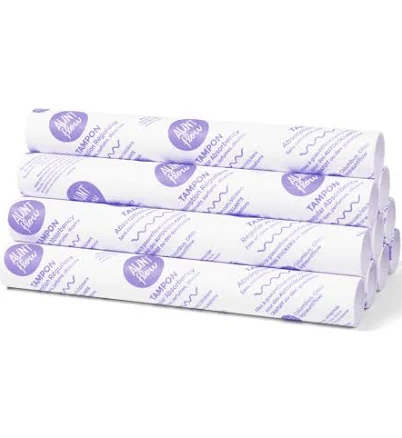
Aunt Flow Regular Absorbency Tampons
Brand PFAS statement on record, which we have not verified.
Aunt Flow says its period products are PFAS-free. We record that as an unverified brand claim.
Brand says: “Aunt Flow says its period products are PFAS-free.”
We flunk more products than we pass. This one earned its grade. How we grade
Material
Rayon/viscose, cotton, non-woven fibers
Brand disclosure
Brand claims PFAS-free
Lab data
No public lab test
You may also be interested in
Top-graded picks in the categories readers replace first, every one scored on the same rubric.

- polypropylene filter housing, carbon/sediment cartridge
- We found no PFAS statement from the brand
- Bacterial growth in spent cartridges
3 hazards checked on this product, all on its full breakdown.

Aquasure
Premier Series 75 GPD Under Sink Reverse Osmosis Water Filtration System
- RO membrane, carbon filters, stainless steel housing
- We found no PFAS statement from the brand
- Bacterial and microbial growth in housing and filters
4 hazards checked on this product, all on its full breakdown.

Avocado
Vegan Mattress
- organic cotton, natural latex, coconut coir, recycled steel coils
- The brand calls it PFAS-free, which we have not verified
- Heavy metals
2 hazards checked on this product, all on its full breakdown.
What Aunt Flow Regular Absorbency Tampons is made of, ingredients and materials
Aunt Flow Regular tampons use a rayon/viscose and cotton fiber blend, which are the most common materials in modern tampons. Rayon (regenerated cellulose) is highly absorbent and biodegradable; cotton adds strength and is a natural fiber. Neither material is chemically toxic in the way synthetic polymers can be, though both are processed fibers. The non-woven construction means fibers are mechanically bonded rather than glued, reducing exposure to adhesive residues.
What’s concerning
Category baseline
The starting point for this type of product, before anything specific to this product is counted.
Pesticide residue
Non-organic cotton used in tampons may carry trace pesticide residues from cultivation. Aunt Flow does not specify whether its cotton is organic; if conventional cotton is used, residue levels are typically below regulatory thresholds but cannot be ruled out without lab testing.
Source, EPA ↗Bleach byproducts (dioxins) in rayon processing
Rayon production historically used chlorine bleaching, which can leave trace dioxin residues. Modern viscose production in regulated facilities has largely moved to elemental chlorine-free (ECF) or totally chlorine-free (TCF) processes, but product-specific processing standards for Aunt Flow are not publicly disclosed.
Toxic shock syndrome (TSS) risk
TSS is a rare but serious condition associated with tampon use, including rayon-based tampons. Risk is not specific to this brand and is managed by following replacement intervals (4-8 hours) and not using higher absorbency than needed.
What’s reassuring
Brand-stated PFAS-free
The brand states this product is PFAS-free. We have not verified the claim.
Base material not linked to PFAS
The main material recorded for this product is not one associated with PFAS.
Contaminant fibers and microfiber shedding
Rayon and cotton fibers are designed to shed into the vaginal cavity by nature of the product function. No documented toxic residue or microplastic contamination has been reported for conventional tampon materials in this category; both break down naturally.
Allergic reaction or irritation from synthetic fragrance or additives
Aunt Flow Regular does not appear to contain added fragrance or chemical additives based on typical brand positioning. No documented allergic reactions or irritation reports are on record for this specific product.
How is this PFAS grade calculated?
The brand's record and disclosure
Aunt Flow publicly states the product is PFAS-free, a claim we have not independently verified but which is on record. The brand markets itself as focused on menstrual products with lower concern and has positioned transparency as part of its brand identity. No major recalls, safety violations, or documented controversies are publicly associated with this product. Independent lab data confirming or refuting specific safety claims for this brand is not widely available in public databases.
How it compares in its category
Rayon/cotton blends are the industry standard for absorbent tampons and present lower concern than purely synthetic options. Tampons marketed as PFAS-free or organic have grown significantly; Aunt Flow competes in the premium/conscious-consumer segment. Most major tampon brands (conventional and natural alike) do not publicly disclose full material sourcing or chemical processing details. Aunt Flow's transparency stance puts it ahead of many competitors in the disclosure category, though independent verification remains limited.
If you buy it
Store tampons in a cool, dry place to prevent moisture and mold growth in the package. Replace tampons every 4-8 hours depending on flow; leaving one in longer increases toxic shock syndrome (TSS) risk, which is a rare but serious condition. If you experience unusual symptoms (fever, rash, dizziness, vomiting) during or after use, remove immediately and seek medical attention. Check the package for any visible discoloration, odor, or damage before use, as these may indicate contamination.
What is not known about PFAS in this product?
- Basis
- Model estimate, 72% confidence, not a lab result
- Lab test
- None on record for this exact product
- Brand statement
- Aunt Flow has made a specific claim
Formulations change between production runs, so check the current label. How we grade.
What are the PFAS-free alternatives to Aunt Flow Regular Absorbency Tampons?
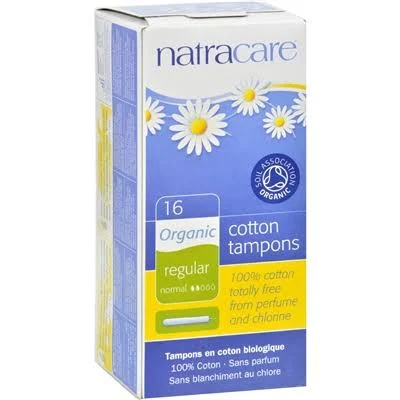
- 100% organic cotton
- A third party reports verifying it as PFAS-free
- Heavy metals
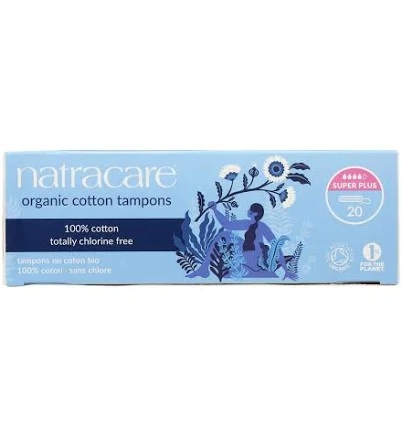
Natracare
Organic Super Plus Tampons, 3 x 20 ct
- organic cotton, cardboard applicator
- The brand calls it PFAS-free, which we have not verified
- Dioxins from bleaching
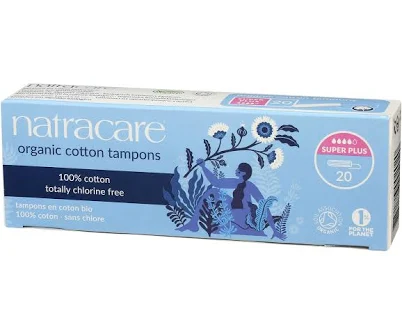
Natracare
Organic Cotton Super Plus Tampons
- organic cotton, no added fluorochemicals
- The brand calls it PFAS-free, which we have not verified
- Verified PFAS-free by a third party
More tampons grades
How we score, every product runs through the same public 0-100 rubric based on materials, coatings, brand disclosure, lab findings, and recalls. See the full methodology → Spotted a mistake? Report an error.