
Aunt Flow Tampon Applicator
Brand PFAS statement on record, which we have not verified.
Aunt Flow says its period products are PFAS-free. We record that as an unverified brand claim.
Brand says: “Aunt Flow says its period products are PFAS-free.”
We flunk more products than we pass. This one earned its grade. How we grade
Material
cardboard tube applicator, plastic handle
Brand disclosure
Brand claims PFAS-free
Lab data
No public lab test
You may also be interested in
Top-graded picks in the categories readers replace first, every one scored on the same rubric.

- polypropylene filter housing, carbon/sediment cartridge
- We found no PFAS statement from the brand
- Bacterial growth in spent cartridges
3 hazards checked on this product, all on its full breakdown.

Aquasure
Premier Series 75 GPD Under Sink Reverse Osmosis Water Filtration System
- RO membrane, carbon filters, stainless steel housing
- We found no PFAS statement from the brand
- Bacterial and microbial growth in housing and filters
4 hazards checked on this product, all on its full breakdown.

Avocado
Vegan Mattress
- organic cotton, natural latex, coconut coir, recycled steel coils
- The brand calls it PFAS-free, which we have not verified
- Heavy metals
2 hazards checked on this product, all on its full breakdown.
What Aunt Flow Tampon Applicator is made of, ingredients and materials
Aunt Flow applicators use a cardboard tube (the main barrel) paired with a plastic handle, typically polypropylene or similar thermoplastic. Cardboard is inert when in contact with mucous membranes for seconds and carries negligible leaching risk. The plastic handle is the only material that could theoretically leach if damaged or heated, but tampons are inserted at body temperature, well below any plastic degradation threshold. No adhesives, dyes, or coatings are typically applied to internal-contact surfaces of cardboard applicators in this product class.
What’s concerning
Category baseline
The starting point for this type of product, before anything specific to this product is counted.
Contamination from unsterilized or improperly manufactured plastic handle
While no recalls exist, plastic components theoretically could harbor bacterial biofilm if not cleaned during injection molding. Aunt Flow is not known to have sterilization controversies, but verification of manufacturing hygiene is not public.
What’s reassuring
Brand-stated PFAS-free
The brand states this product is PFAS-free. We have not verified the claim.
Base material not linked to PFAS
The main material recorded for this product is not one associated with PFAS.
BPA & bisphenols
Polypropylene handles used in tampon applicators do not typically release BPA or phthalates at body temperature during brief contact. No recalls or reports of leaching from Aunt Flow applicators exist in public records.
Source, FDA ↗Cardboard tube dyes or surface coatings
Cardboard applicators are not bleached with chlorine dioxide or dyed in ways that release azo dyes or heavy metals. Standard food-grade cardboard is used, and internal surfaces are not painted or enameled.
Microplastics
Cardboard applicators do not fragment into microplastics. The plastic handle is rigid, short-term contact, and not designed to break apart during normal use.
Source, EPA ↗Formaldehyde / VOCs
No formaldehyde-releasing adhesives are standard in cardboard tampon applicators. Aunt Flow does not use formaldehyde-based binders on record.
Source, ATSDR ↗How is this PFAS grade calculated?
The brand's record and disclosure
Aunt Flow has made a public PFAS-free claim, and that statement is on record. The brand has not been subject to major product recalls or safety violations documented in public databases. However, we have not independently verified their PFAS testing or supply-chain practices. The brand markets itself as a mission-driven, women-owned company focused on menstrual product safety, which aligns with proactive disclosure, though claims remain unverified by third-party certification.
How it compares in its category
Cardboard applicators present lower concern than plastic-only applicators, they biodegrade, are not a material linked to plasticizer leaching, and avoid the microplastic shedding associated with plastic-only applicators. Aunt Flow's combination of cardboard tube plus minimal plastic handle is typical of premium eco-conscious tampon brands. Plastic applicators (polyethylene or polypropylene throughout) carry slightly higher theoretical leaching risk under stress or damage. Applicator-free tampons eliminate this concern entirely but are less accessible to some users.
If you buy it
Store in a cool, dry place away from direct sunlight to prevent any plastic handle from warping. Do not reuse applicators or subject them to intentional heat or pressure. If the cardboard tube becomes visibly crushed, damp, or torn, discard that applicator. Insertion duration is seconds, so brief mucous-membrane contact poses no meaningful exposure window for any residual manufacturing residues. No special cleaning or maintenance is needed; disposal is straightforward.
What is not known about PFAS in this product?
- Basis
- Model estimate, 82% confidence, not a lab result
- Lab test
- None on record for this exact product
- Brand statement
- Aunt Flow has made a specific claim
Formulations change between production runs, so check the current label. How we grade.
What are the PFAS-free alternatives to Aunt Flow Tampon Applicator?
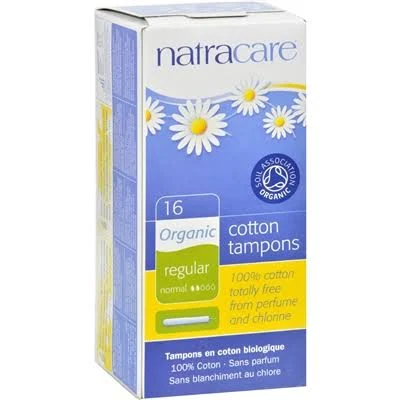
- 100% organic cotton
- A third party reports verifying it as PFAS-free
- Heavy metals
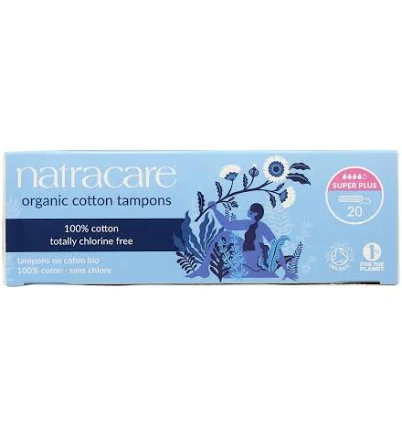
Natracare
Organic Super Plus Tampons, 3 x 20 ct
- organic cotton, cardboard applicator
- The brand calls it PFAS-free, which we have not verified
- Dioxins from bleaching
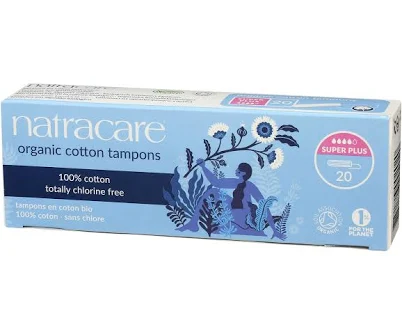
Natracare
Organic Cotton Super Plus Tampons
- organic cotton, no added fluorochemicals
- The brand calls it PFAS-free, which we have not verified
- Verified PFAS-free by a third party
More tampons grades
How we score, every product runs through the same public 0-100 rubric based on materials, coatings, brand disclosure, lab findings, and recalls. See the full methodology → Spotted a mistake? Report an error.