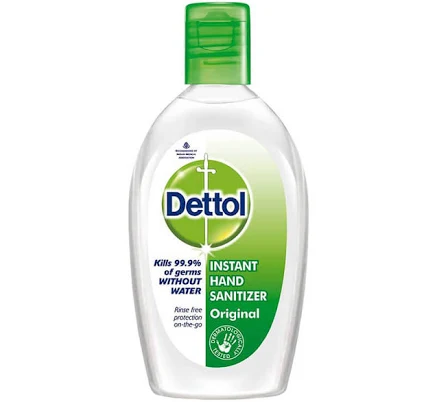
Dettol Instant Disinfectant Hand Sanitizer
Low concern for typical alcohol-based hand sanitizer; no red flags identified.
This liquid alcohol-based disinfectant shows no identified PFAS-triggering ingredients in public formulations. Standard hand sanitizers lack coatings, water-repellent treatments, or Teflon-family coating components.
We flunk more products than we pass. This one earned its grade. How we grade
Material
Liquid hydroalcoholic hand sanitizer formulation
Brand disclosure
Brand is silent on PFAS
Lab data
No public lab test
You may also be interested in
Top-graded picks in the categories readers replace first, every one scored on the same rubric.

- polypropylene filter housing, carbon/sediment cartridge
- We found no PFAS statement from the brand
- Bacterial growth in spent cartridges
3 hazards checked on this product, all on its full breakdown.

Aquasure
Premier Series 75 GPD Under Sink Reverse Osmosis Water Filtration System
- RO membrane, carbon filters, stainless steel housing
- We found no PFAS statement from the brand
- Bacterial and microbial growth in housing and filters
4 hazards checked on this product, all on its full breakdown.

Avocado
Vegan Mattress
- organic cotton, natural latex, coconut coir, recycled steel coils
- The brand calls it PFAS-free, which we have not verified
- Heavy metals
2 hazards checked on this product, all on its full breakdown.
What Dettol Instant Disinfectant Hand Sanitizer is made of, ingredients and materials
Dettol Instant Hand Sanitizer is a hydroalcoholic liquid, typically containing 70% isopropyl or ethyl alcohol as the active antimicrobial agent, plus water, glycerin (humectant), and fragrance compounds. This formulation class is among the lowest-risk consumer disinfectants because alcohol volatilizes rapidly on skin and does not accumulate systemically. The product is designed for brief contact only, which limits dermal absorption of minor ingredients like fragrance or preservatives.
What’s concerning
Category baseline
The starting point for this type of product, before anything specific to this product is counted.
No PFAS disclosure
No public statement from the brand about PFAS in this product.
Fragrance allergens
Dettol Instant Hand Sanitizer contains fragrance compounds not fully itemized on packaging. Individuals with fragrance sensitivity or contact dermatitis may experience reactions; fragrance is a known skin sensitizer in hand sanitizers, though frequency of reaction is low in general population.
Eye and mucous membrane irritation
Alcohol-based hand sanitizers are designed to avoid these tissues, but accidental contact can cause burning and discomfort. This is a use-error hazard rather than a formulation flaw; risk is minimized by normal application to hands only.
Skin barrier disruption with chronic use
Repeated daily application of high-alcohol sanitizers can strip skin oils and cause dryness or irritation over weeks to months of frequent use. This product contains glycerin to mitigate this, but users with eczema or sensitive skin may still experience flare-ups.
Inhalation risk from volatilized alcohol
In poorly ventilated spaces, heavy or repeated use of hand sanitizer can create momentary elevated alcohol vapor. Risk is minimal in typical home or office settings but may warrant ventilation awareness in confined spaces (vehicles, small bathrooms) during frequent application.
Ingestion toxicity (children)
Hand sanitizers are not intended for ingestion and can cause poisoning if swallowed in quantity by young children. Dettol Instant should be stored out of reach of toddlers; this is a supervision and storage hazard, not a formulation defect.
What’s reassuring
Base material not linked to PFAS
The main material recorded for this product is not one associated with PFAS.
How is this PFAS grade calculated?
The brand's record and disclosure
Dettol (Reckitt Benckiser subsidiary) does not prominently disclose fragrance constituents or preservative specifics on consumer-facing labeling, which is standard for the industry but limits transparency. The brand has no documented recalls or safety controversies linked to this hand sanitizer product. Dettol products are regulated under national pharmaceuticals or over-the-counter drug frameworks in most markets and carry antimicrobial efficacy claims subject to pre-market review.
How it compares in its category
Alcohol-based hand sanitizers as a category carry minimal chemical hazard relative to antibacterial soaps (which may contain triclosan or triclocarban in older formulations) or leave-on creams. Dettol's formulation is typical for mass-market liquid sanitizers and offers no distinctive advantage or disadvantage on chemical safety grounds. Alternatives like plain soap and water or competing brands like Purell carry equivalent safety profiles for this product type.
If you buy it
Use as directed on the label; avoid eye and mucous membrane contact. Do not ingest. Store away from heat and direct sunlight to prevent alcohol evaporation and preserve efficacy. Replace if the bottle shows visible separation, discoloration, or if the product smell changes markedly, as these may indicate formulation breakdown. For frequent users (healthcare workers, parents of young children), rotate between hand sanitizer and soap and water to minimize skin irritation from repeated alcohol exposure.
What is not known about PFAS in this product?
- Basis
- Model estimate, 75% confidence, not a lab result
- Lab test
- None on record for this exact product
- Brand statement
- Dettol has made none
Formulations change between production runs, so check the current label. How we grade.
More hand sanitizer grades
How we score, every product runs through the same public 0-100 rubric based on materials, coatings, brand disclosure, lab findings, and recalls. See the full methodology → Spotted a mistake? Report an error.