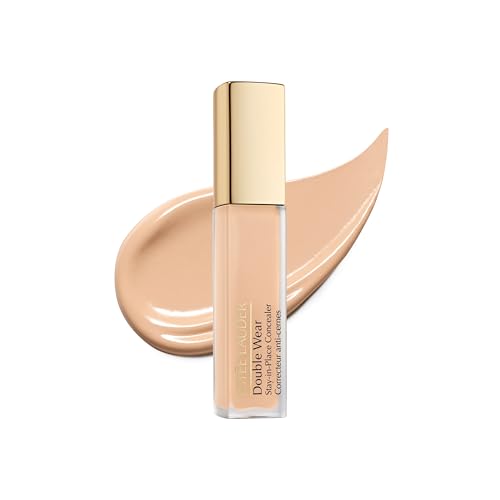
Estée Lauder Double Wear Stay-in-Place 24-Hour Concealer
Concealer with waterproof claim; PFAS risk unclear without disclosure.
Estée Lauder does not disclose PFAS or waterproofing chemistry for this concealer. Waterproof cosmetics sometimes use PFAS-based water repellents, but no public lab data or recalls exist for this product.
The better-graded swap
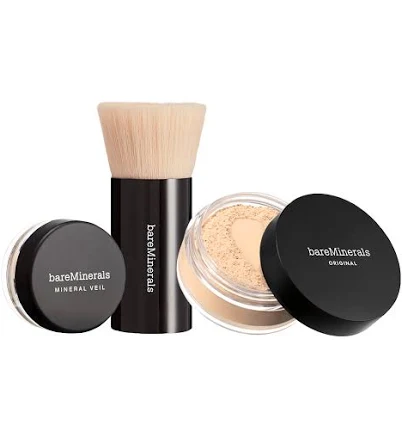
Bare Minerals
bareMinerals Mineral Makeup
100/100 safety
Same rubric that flunked this product. The swap earned Excellent.
Still want this one anyway? Check the price on Amazon. We’d swap it.
Material
silicone, glycerin, water base with waterproof finish
Lab data
No public lab test
You may also be interested in
Top-graded picks in the categories readers replace first, every one scored on the same rubric.

- polypropylene filter housing, carbon/sediment cartridge
- We found no PFAS statement from the brand
- Bacterial growth in spent cartridges
3 hazards checked on this product, all on its full breakdown.

Aquasure
Premier Series 75 GPD Under Sink Reverse Osmosis Water Filtration System
- RO membrane, carbon filters, stainless steel housing
- We found no PFAS statement from the brand
- Bacterial and microbial growth in housing and filters
4 hazards checked on this product, all on its full breakdown.

Avocado
Vegan Mattress
- organic cotton, natural latex, coconut coir, recycled steel coils
- The brand calls it PFAS-free, which we have not verified
- Heavy metals
2 hazards checked on this product, all on its full breakdown.
What Estée Lauder Double Wear Concealer is made of, ingredients and materials
This concealer is a silicone-based emulsion with glycerin and water, which form a stable, long-wear matrix resistant to moisture and movement. Silicones themselves are inert polymers with low systemic absorption through skin; glycerin is a humectant that draws moisture and poses no inherent toxicity at cosmetic concentrations. The 'waterproof' claim typically relies on silicone's hydrophobic nature and formulaic binding, not added water-repellent coatings, though the specific mechanism Estée Lauder uses is not disclosed in public materials.
What’s concerning
Waterproof / stain-resistant treatment
Water-repellent coating treatments have historically used PFAS.
Category baseline
The starting point for this type of product, before anything specific to this product is counted.
No PFAS disclosure
No public statement from the brand about PFAS in this product.
1,4-dioxane (solvent/contaminant)
Silicone and emulsifier manufacturing can introduce trace 1,4-dioxane as a byproduct. Estée Lauder does not publish contaminant testing for this product, so presence cannot be ruled out, though levels in finished cosmetics are typically low and do not require labeling.
Heavy metals
Concealer relies on iron oxides and synthetic colorants for coverage; these are cosmetically regulated but can carry trace heavy metals (lead, cadmium) depending on pigment sourcing and refining. Estée Lauder does not publish heavy metal testing data for individual shades.
Source, FDA ↗What’s reassuring
Formaldehyde / VOCs
Silicone-glycerin-water systems typically use paraben or phenoxyethanol preservatives rather than formaldehyde releasers; no evidence of this product using such preservatives is on record.
Source, ATSDR ↗Fragrance allergens
This concealer is marketed as fragrance-free; fragrance compounds are not listed in publicly available ingredient disclosures for this product.
Talc contamination
This silicone-based liquid concealer does not use talc as a base ingredient, so talc-associated asbestos or heavy metal risk does not apply to this product format.
How is this PFAS grade calculated?
The brand's record and disclosure
Estée Lauder does not publicly disclose PFAS content or fluorinated compound use in this product, despite waterproof cosmetics being a known category where PFAS appear. The brand has no published commitment to PFAS phase-out or transparency initiatives on record. No recalls or safety violations specific to this concealer have been documented by FDA or regulatory agencies. Estée Lauder maintains general cosmetic safety compliance but does not distinguish itself in proactive chemical disclosure.
How it compares in its category
Silicone-based concealers are standard in the long-wear segment and do not inherently carry higher conventional toxicant risk than water-based or cream alternatives. The 24-hour durability claim aligns with silicone chemistry; competitors (MAC Fix+, Urban Decay, L'Oréal Infallible) use similar bases. PFAS presence in waterproof color cosmetics is broadly under-disclosed across the category, so this product's lack of transparency is typical, not exceptional, though it means PFAS risk cannot be ruled out.
If you buy it
Apply sparingly to avoid buildup, which can clog pores over extended wear. Remove with oil-based or silicone-soluble cleanser to prevent residue accumulation; water alone will not fully break down silicone. Store in a cool, dry place away from direct heat, as silicone can soften and separate in extreme temperatures. Discontinue use if redness, irritation, or allergic response develops; test on a small patch first if you have sensitive or reactive skin.
What is not known about PFAS in this product?
- Basis
- Model estimate, 35% confidence, not a lab result
- Lab test
- None on record for this exact product
- Brand statement
- Estée Lauder has made a specific claim
Formulations change between production runs, so check the current label. How we grade.
What are the PFAS-free alternatives to Estée Lauder Double Wear Stay-in-Place 24-Hour Concealer?
- The brand calls it PFAS-free, which we have not verified
- Lead
3 hazards checked on this product, all on its full breakdown.
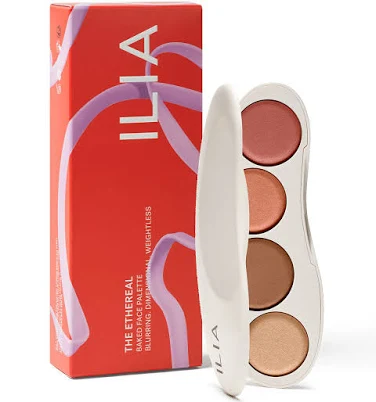
- We found no PFAS statement from the brand
- Heavy metals
2 hazards checked on this product, all on its full breakdown.
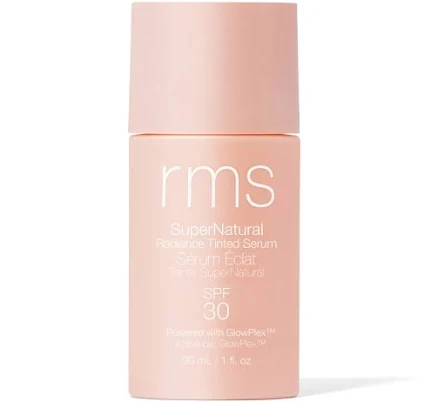
- We found no PFAS statement from the brand
- Fragrance allergens and essential oils
2 hazards checked on this product, all on its full breakdown.
More cosmetics grades
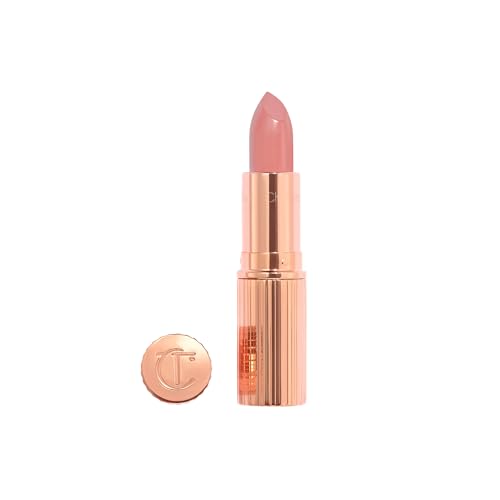 75Charlotte Tilbury Pillow Talk Lipstick
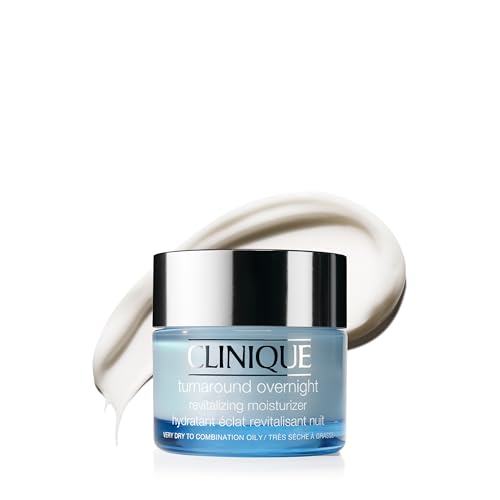 75Clinique Turnaround Overnight Revitalizing Moisturizer
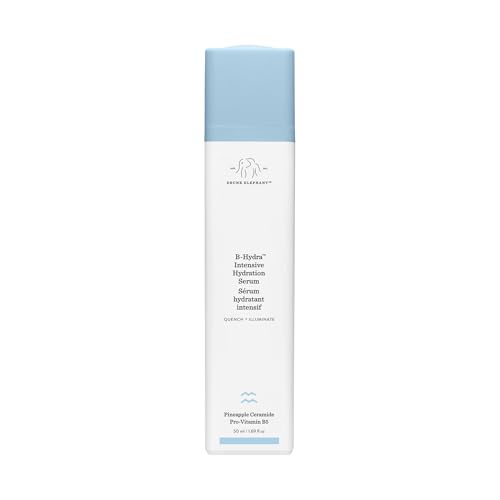 75Drunk Elephant B-Hydra Intensive Hydration Serum
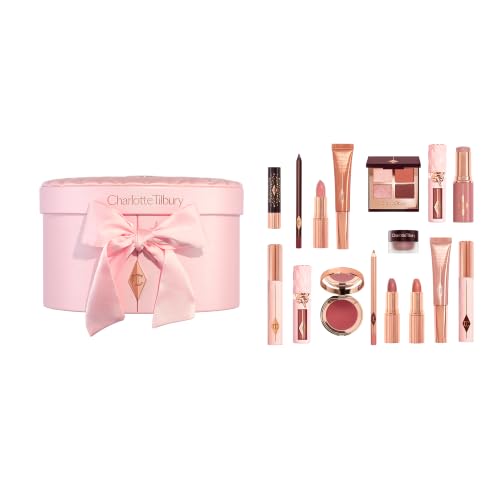 75Charlotte Tilbury Pillow Talk Dreams Come True
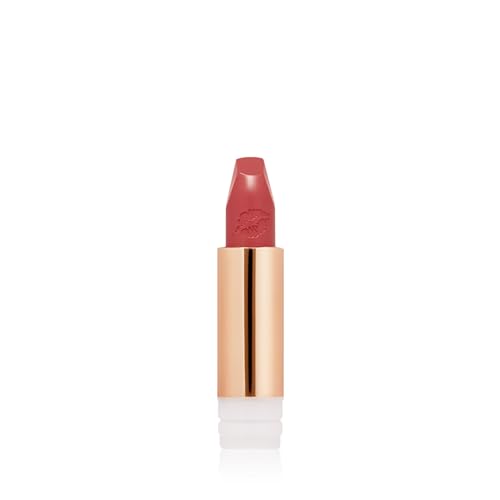 75Charlotte Tilbury Hot Lips 2 Refill
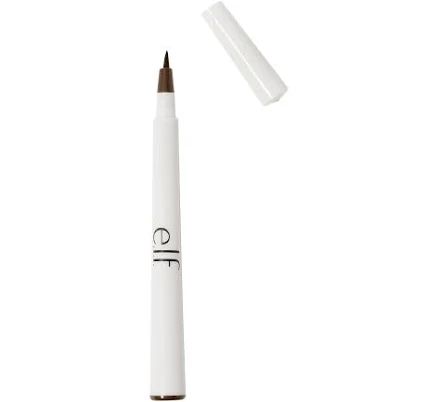 30Waterproof Eyeliner (generic)
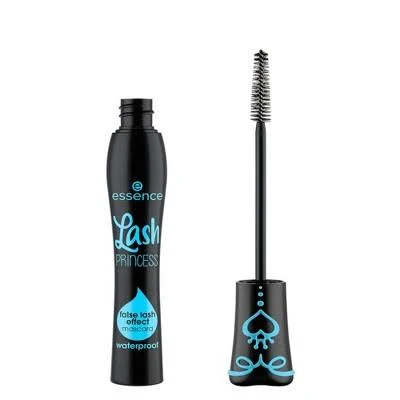 30Waterproof Mascara (generic)
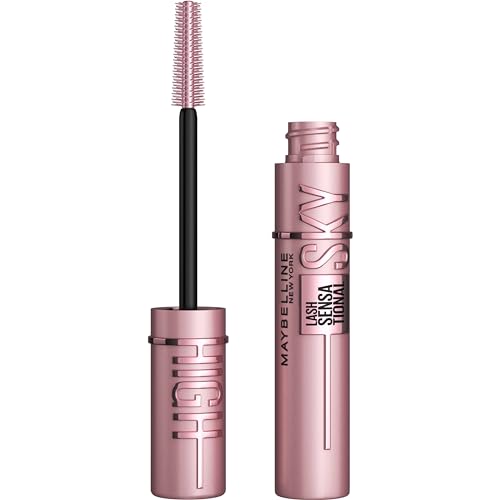 30Maybelline Lash Sensational Sky High Washable Mascara
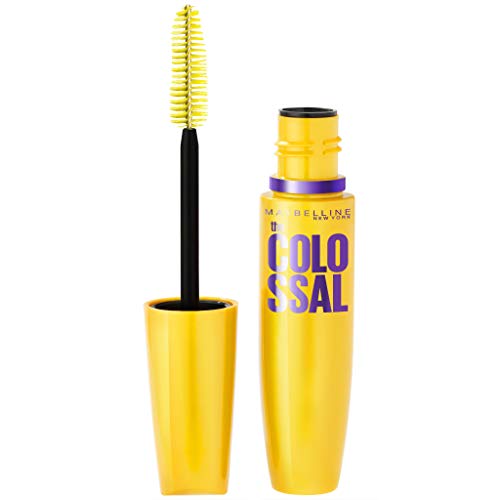 30Maybelline Volum Express Colossal Washable Mascara
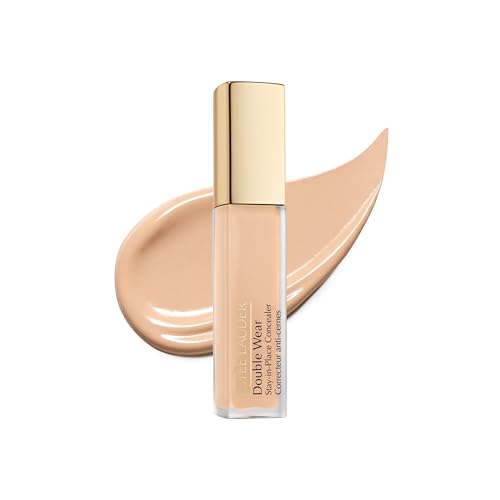 30Estée Lauder Double Wear Stay-in-Place Flawless 24-Hour ConcealerCompare vs Bare Minerals →All cosmetics →
How we score, every product runs through the same public 0-100 rubric based on materials, coatings, brand disclosure, lab findings, and recalls. See the full methodology → Spotted a mistake? Report an error.