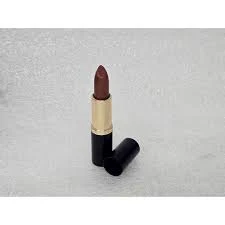
Estee Lauder Pure Color Long-Lasting Lipstick Creme Barely Nude 46
Lipstick formulations rarely contain PFAS. Lower concern product.
Estée Lauder doesn't disclose PFAS use. Conventional lipstick waxes and pigments aren't known PFAS sources, making this lower concern than waterproof cosmetics.
We flunk more products than we pass. This one earned its grade. How we grade
Material
wax, oils, pigments, standard cosmetic base
Lab data
No public lab test
You may also be interested in
Top-graded picks in the categories readers replace first, every one scored on the same rubric.

Aqua Pure
3M Aqua-Pure AP802B Whole House Filter Housing
- polypropylene filter housing, carbon/sediment cartridge
- We found no PFAS statement from the brand
- Bacterial growth in spent cartridges
3 hazards checked on this product. See all of them.

Aquasure
Premier Series 75 GPD Under Sink Reverse Osmosis Water Filtration System
- RO membrane, carbon filters, stainless steel housing
- We found no PFAS statement from the brand
- Bacterial and microbial growth in housing and filters
4 hazards checked on this product. See all of them.

Avocado
Vegan Mattress
- organic cotton, natural latex, coconut coir, recycled steel coils
- The brand calls it PFAS-free, which we have not verified
- Heavy metals
2 hazards checked on this product. See all of them.
What Estee Lauder Pure Color Long-Lasting is made of, ingredients and materials
Estée Lauder Pure Color Creme lipsticks are wax-based formulations (typically containing beeswax, carnauba wax, or synthetic waxes) blended with emollients and pigments. The 'Barely Nude 46' shade uses iron oxides and possibly mica for color and light-reflecting properties. Wax-based lipsticks have lower concern for pigment or additive leaching because waxes create a stable matrix that minimizes migration of pigments or additives into the lips during normal use.
What’s concerning
Category baseline
The starting point for this type of product, before anything specific to this product is counted.
No PFAS disclosure
No public statement from the brand about PFAS in this product.
Heavy metals
Iron oxide colorants (Fe2O3, Fe3O4) used in nude and brown shades are regulated but may contain trace lead or cadmium depending on source. Estée Lauder does not publicly disclose heavy metal testing for individual shades, so contamination cannot be ruled out, though it is unlikely at concerning levels given FDA oversight.
Source, FDA ↗Fragrance allergens and undisclosed components
Estée Lauder lipsticks typically include fragrance compounds that are not individually named on packaging (protected as 'fragrance' under US law). Individuals with sensitivity to common lipstick fragrance allergens (e.g., limonene, geraniol) may experience contact dermatitis. This product's specific fragrance formula is proprietary and not publicly detailed.
Formaldehyde / VOCs
Cream lipsticks require preservatives to prevent bacterial growth; Estée Lauder may use formaldehyde-releasing agents (e.g., DMDM hydantoin) or other preservatives not individually listed. Sensitivity is uncommon but can cause lip irritation or allergic contact dermatitis in susceptible individuals; patch testing is recommended for sensitive skin.
Source, ATSDR ↗What’s reassuring
Base material not linked to PFAS
The main material recorded for this product is not one associated with PFAS.
Mica and talc-adjacent mineral concerns
Mica is commonly used in lipsticks for shimmer and opacity; Pure Color Creme Barely Nude 46 may contain mica. Mica itself is not talc and carries lower contamination risk, but talc has never been documented in Estée Lauder lipsticks, and the company has not faced recalls on this front.
Microplastic particles from synthetic waxes
Some lipsticks use microbeads or microplastic particles for texture; Estée Lauder's Pure Color Creme line is not marketed with beads and does not appear to contain intentional microplastics in publicly available formulations. However, full ingredient sourcing is not disclosed.
The full breakdown
The brand's record and disclosure
Estée Lauder is a major multinational cosmetics company subject to FDA and EU cosmetics regulation. The brand does not publicly emphasize PFAS avoidance in marketing, but lipsticks are not a known PFAS concern category. Estée Lauder has not faced major product safety recalls for lipsticks in recent years and maintains standard ingredient transparency through product labeling and their website. The company does not currently publish independent third-party safety testing results for individual products.
How it compares in its category
Cream lipsticks occupy a middle ground for safety, they are more stable than liquid formulations (which carry higher risk of preservative issues) and typically use fewer synthetic fragrances than fragranced lip balms. Estée Lauder's Pure Color line is positioned as a mainstream luxury product, not marketed as 'clean' or 'natural,' so it includes standard cosmetic preservatives and colorants that meet regulatory thresholds. Compared to budget or indie lipstick brands, major formulators like Estée Lauder have resources for consistency testing, though this does not eliminate all risks.
If you buy it
Store lipstick in cool, dry conditions to prevent softening or color separation. Do not expose to prolonged direct heat (e.g., in hot cars), as wax-based formulations can degrade or separate. Replace every 12-18 months; old lipstick can develop odor or texture changes signaling oxidation or microbial growth. If you experience rash, swelling, or persistent irritation, discontinue immediately and consult a dermatologist; individual sensitivity to mica, iron oxides, or fragrance compounds is rare but possible.
What we don’t know
- Basis
- Model estimate, 72% confidence, not a lab result
- Lab test
- None on record for this exact product
- Brand statement
- Estée Lauder has made a specific claim
Formulations change between production runs, so check the current label. How we grade.
More lipstick grades
How we score, every product runs through the same public 0-100 rubric based on materials, coatings, brand disclosure, lab findings, and recalls. See the full methodology → Spotted a mistake? Report an error.