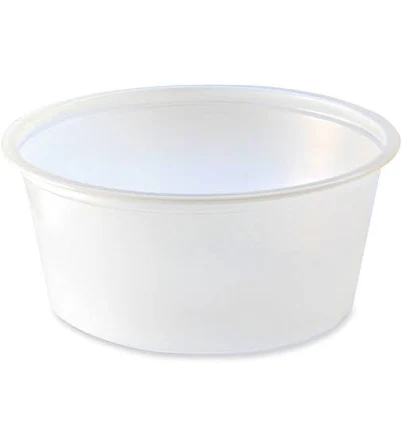
Fabri-Kal · Disposable Food Containers
Fabri-Kal Portion Cups
Lower concern. Rigid plastics without documented PFAS associations.
Fabri-Kal Portion Cups are made of polypropylene and polystyrene rigid plastics. These materials are not linked to PFAS, and there is no record of a water-repellent finish or coating on this product. The brand has no PFAS statement on record.
We flunk more products than we pass. This one earned its grade. How we grade
Material
polypropylene (PP) and polystyrene (PS) rigid plastics
Brand disclosure
Brand is silent on PFAS
Lab data
No public lab test
You may also be interested in
Top-graded picks in the categories readers replace first, every one scored on the same rubric.

- polypropylene filter housing, carbon/sediment cartridge
- We found no PFAS statement from the brand
- Bacterial growth in spent cartridges
3 hazards checked on this product, all on its full breakdown.

Aquasure
Premier Series 75 GPD Under Sink Reverse Osmosis Water Filtration System
- RO membrane, carbon filters, stainless steel housing
- We found no PFAS statement from the brand
- Bacterial and microbial growth in housing and filters
4 hazards checked on this product, all on its full breakdown.

Avocado
Vegan Mattress
- organic cotton, natural latex, coconut coir, recycled steel coils
- The brand calls it PFAS-free, which we have not verified
- Heavy metals
2 hazards checked on this product, all on its full breakdown.
What Fabri-Kal Portion Cups is made of, ingredients and materials
Fabri-Kal Portion Cups are rigid thermoformed polypropylene (PP) or polystyrene (PS), both approved for cold and ambient food contact by the FDA. These materials are chosen for food packaging because they are inherently low-leaching compared to flexible plastics; PP in particular has high temperature stability and PS offers clarity and rigidity without requiring plasticizers. Neither material relies on BPA, BPS, or phthalates in their base formulation, which distinguishes them from some older food containers.
What’s concerning
Category baseline
The starting point for this type of product, before anything specific to this product is counted.
No PFAS disclosure
No public statement from the brand about PFAS in this product.
Microplastic migration (heat exposure)
PP and PS can degrade and shed microparticles if exposed to prolonged heat, UV, or mechanical stress. Fabri-Kal cups used only for cold or ambient food carry minimal risk, but filling with hot liquids or microwaving may accelerate breakdown.
Styrene monomer leaching (PS-specific)
PS cups may release trace styrene, a suspected carcinogen, especially under stress or with fatty/acidic foods. Fabri-Kal does not specify which products are pure PS vs. PP, so assume risk if product appears clear and rigid; prefer opaque PP alternatives if concerned.
Off-gassing or odor (new material smell)
New PP and PS containers may emit faint plastic odor due to residual monomers or processing aids. This typically dissipates within days to weeks and is not known to indicate toxicity, but indicates immature polymer cross-linking.
What’s reassuring
Base material not linked to PFAS
The main material recorded for this product is not one associated with PFAS.
Additive leaching (colorants, UV stabilizers)
No specific reports of additive migration from Fabri-Kal portion cups. Standard food-contact additives in PP and PS are FDA-approved but individual sensitivity or long-term effects remain understudied for some formulations.
Contamination during manufacture or storage
No recalls or contamination incidents on record for Fabri-Kal cups. Standard manufacturing oversight and plastic resin testing apply, though transparency into batch testing is not publicly available.
How is this PFAS grade calculated?
The brand's record and disclosure
Fabri-Kal is a US-based manufacturer with a long history in foodservice packaging but maintains minimal public disclosure on detailed material sourcing or chemical testing. No significant product recalls, contamination incidents, or regulatory violations are on record for Fabri-Kal portion cups. The company does not publicly tout PFAS-free status (though standard PP and PS are not intentionally formulated with PFAS), reflecting broader industry silence rather than a red flag.
How it compares in its category
Rigid PP and PS portion cups are industry standard for cold and room-temperature food storage and are associated with lower concern than flexible plastic films or older polycarbonate containers. Alternatives include glass (heavier, breakable) and compostable plastics (less durable, sometimes higher cost). Fabri-Kal's products sit in the mainstream midrange, widely adopted by foodservice operators with no known quality or safety advantage over generic PP/PS cups from other manufacturers.
If you buy it
Use these cups for cold or room-temperature contents only; do not microwave or fill with hot liquids above 160F, as PP softens around 170F. Store in cool, dry conditions away from direct sunlight to slow any minor polymer aging. Replace cups if cracks, cloudiness, or persistent odor develop, as these signal degradation. Typical lifespan is 1-2 years for regular foodservice use; home storage extends utility indefinitely for dry goods.
What is not known about PFAS in this product?
- Basis
- Model estimate, 72% confidence, not a lab result
- Lab test
- None on record for this exact product
- Brand statement
- Fabri-Kal has made none
Formulations change between production runs, so check the current label. How we grade.
What are the PFAS-free alternatives to Fabri-Kal Portion Cups?
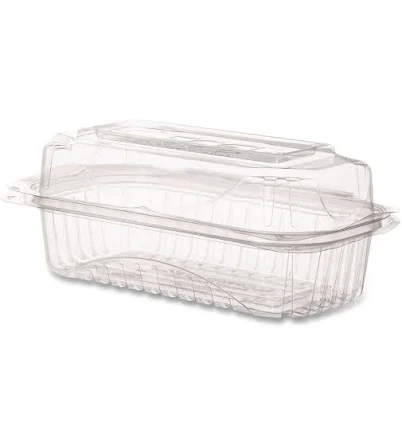
Eco-Products
Compostable Clear Clamshell Hinged Food
- Compostable resin (PLA/PBAT blend, plant-based)
- A third party reports verifying it as PFAS-free
- Thermal degradation and chemical release at use temperatures
More disposable food containers grades
How we score, every product runs through the same public 0-100 rubric based on materials, coatings, brand disclosure, lab findings, and recalls. See the full methodology → Spotted a mistake? Report an error.