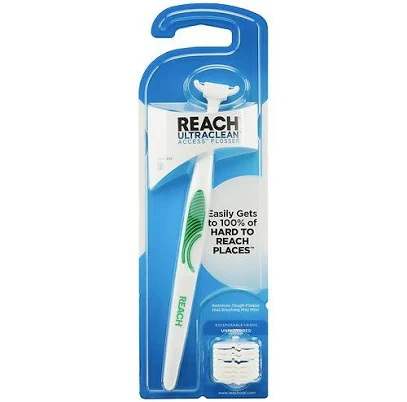
Listerine Reach Ultraclean Access Flosser
Low PFAS risk. Standard floss product with no known concerning coatings.
Dental floss and flosser tool contain no Teflon-type coating or known Teflon-family coating. Brand makes no PFAS claims. No public lab testing or recalls identified.
We flunk more products than we pass. This one earned its grade. How we grade
Material
Plastic handle, nylon floss, metal pick
Brand disclosure
Brand is silent on PFAS
Lab data
No public lab test
You may also be interested in
Top-graded picks in the categories readers replace first, every one scored on the same rubric.

- polypropylene filter housing, carbon/sediment cartridge
- We found no PFAS statement from the brand
- Bacterial growth in spent cartridges
3 hazards checked on this product, all on its full breakdown.

Aquasure
Premier Series 75 GPD Under Sink Reverse Osmosis Water Filtration System
- RO membrane, carbon filters, stainless steel housing
- We found no PFAS statement from the brand
- Bacterial and microbial growth in housing and filters
4 hazards checked on this product, all on its full breakdown.

Avocado
Vegan Mattress
- organic cotton, natural latex, coconut coir, recycled steel coils
- The brand calls it PFAS-free, which we have not verified
- Heavy metals
2 hazards checked on this product, all on its full breakdown.
What Listerine Reach Ultraclean Access Flosser is made of, ingredients and materials
This product combines a plastic handle (likely polystyrene or polypropylene), nylon monofilament floss, and a metal pick. Nylon floss is inert in the mouth and does not leach under normal use conditions. The plastic handle has minimal oral contact and poses no leaching risk during the brief 1-2 minute use cycle. Metal picks are typically stainless steel and chemically stable.
What’s concerning
Category baseline
The starting point for this type of product, before anything specific to this product is counted.
No PFAS disclosure
No public statement from the brand about PFAS in this product.
Microplastic shedding
Repeated bending or damage to the plastic handle during use could theoretically generate microplastic fragments, though the risk is low for a single-use disposable. Proper disposal in trash rather than drains mitigates environmental concern.
What’s reassuring
Base material not linked to PFAS
The main material recorded for this product is not one associated with PFAS.
Nylon floss structural integrity
Nylon monofilament is chemically stable and does not hydrolyze or leach monomers under normal oral use. No reported incidents of nylon floss causing oral irritation or chemical exposure.
Plastic handle leaching (low-temp contact)
Polystyrene or polypropylene handles have minimal contact with saliva and are used for under 2 minutes per application. At mouth temperature (37C), leaching of unreacted monomers or additives is negligible in this brief-contact scenario.
Metal pick corrosion or nickel release
Stainless steel picks do not corrode in the oral environment and do not release nickel under normal use. No reported cases of flosser pick corrosion or metal sensitivity linked to this product type.
Formaldehyde / VOCs
Consumer flossers are not typically treated with formaldehyde-releasing resins or industrial azo dyes. The plastic is a commodity polymer without known antimicrobial or colorfast coatings that would require these chemicals.
Source, ATSDR ↗How is this PFAS grade calculated?
The brand's record and disclosure
Listerine (owned by Johnson & Johnson) has not published detailed material disclosures or safety certifications specific to this flosser variant. The parent company has faced legacy litigation on talc contamination in personal care products, but that does not apply to oral floss. No recalls of this specific product are on record. Brand transparency on plastics and manufacturing chemistry remains limited.
How it compares in its category
Disposable plastic flossers occupy a middle ground in floss safety. They avoid concerns tied to wooden picks or charcoal-coated variants but generate more plastic waste than string floss alone. Compared to water flossers (which have reservoir concerns and electronic components), this product is simpler and carries lower contamination risk. Most dentists consider nylon floss to have lower concern for PFAS hazards regardless of brand.
If you buy it
Replace the flosser after each use as intended; do not reuse or soak in hot water or mouthwash for extended periods, as this can slightly stress the plastic and theoretically increase minor leaching. Store in a cool, dry place away from direct heat or UV light to prevent polymer degradation. The product requires no cleaning or maintenance beyond disposal. No special precautions are needed for routine daily use.
What is not known about PFAS in this product?
- Basis
- Model estimate, 72% confidence, not a lab result
- Lab test
- None on record for this exact product
- Brand statement
- Listerine has made none
Formulations change between production runs, so check the current label. How we grade.
What are the PFAS-free alternatives to Listerine Reach Ultraclean Access Flosser?
- Plant-based waxed fiber floss
- A third party reports verifying it as PFAS-free
- Fragrance allergens and sensitizers
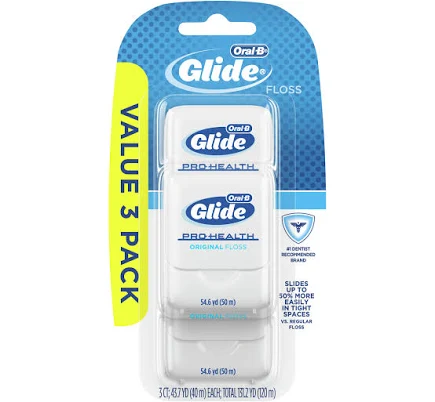
- nylon monofilament
- The brand calls it PFAS-free, which we have not verified
- Microplastics
2 hazards checked on this product, all on its full breakdown.
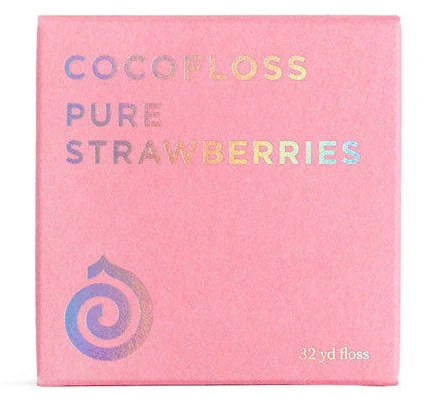
- Coconut fiber-based floss
- The brand calls it PFAS-free, which we have not verified
- Microbial growth in natural fiber storage
More dental floss grades
How we score, every product runs through the same public 0-100 rubric based on materials, coatings, brand disclosure, lab findings, and recalls. See the full methodology → Spotted a mistake? Report an error.