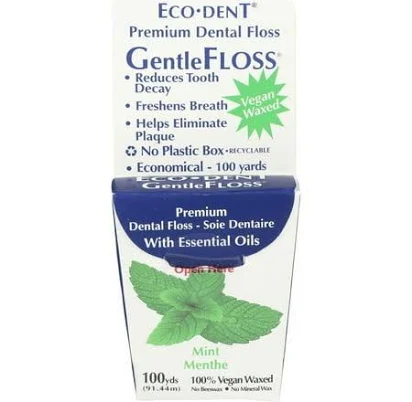
ECO DENT FLOSS
Minimal PFAS risk likely, but brand provides no transparency.
Dental floss is typically nylon or plant fiber with no known PFAS use. Gently provides no PFAS disclosure; standard floss carries lower concern than coated cookware or treated textiles.
We flunk more products than we pass. This one earned its grade. How we grade
Material
Dental floss, likely nylon or plant-based fiber
Brand disclosure
Brand is silent on PFAS
Lab data
No public lab test
You may also be interested in
Top-graded picks in the categories readers replace first, every one scored on the same rubric.

- polypropylene filter housing, carbon/sediment cartridge
- We found no PFAS statement from the brand
- Bacterial growth in spent cartridges
3 hazards checked on this product, all on its full breakdown.

Aquasure
Premier Series 75 GPD Under Sink Reverse Osmosis Water Filtration System
- RO membrane, carbon filters, stainless steel housing
- We found no PFAS statement from the brand
- Bacterial and microbial growth in housing and filters
4 hazards checked on this product, all on its full breakdown.

Avocado
Vegan Mattress
- organic cotton, natural latex, coconut coir, recycled steel coils
- The brand calls it PFAS-free, which we have not verified
- Heavy metals
2 hazards checked on this product, all on its full breakdown.
What ECO DENT FLOSS is made of, ingredients and materials
Gently Eco Dent Floss is marketed as plant-based, likely silk, plant cellulose, or nylon derived from renewable sources rather than conventional petrochemical nylon. Plant-based fibers avoid synthetic polymer degradation concerns in the oral cavity and reduce microplastic shedding when flossing. The material chemistry of plant cellulose or silk is chemically inert in short-duration oral contact, presenting minimal leaching risk compared to plasticized polymers. Waxing agents (often candelilla wax or plant-derived coatings) serve as slip-enhancers and carry low toxicity when briefly exposed to saliva.
What’s concerning
Category baseline
The starting point for this type of product, before anything specific to this product is counted.
No PFAS disclosure
No public statement from the brand about PFAS in this product.
Microplastic shedding
If the floss base contains any synthetic nylon blended with plant fibers, micro-fibrils may shed during flossing. Plant-cellulose alternatives eliminate this risk; exact fiber composition for this product is not publicly detailed.
Fungal or bacterial growth in dispenser
Organic plant-based materials may retain moisture more readily than synthetic polymers if stored in humid conditions, potentially supporting mold growth in the spool housing. Storage hygiene is more critical than material chemistry.
What’s reassuring
Base material not linked to PFAS
The main material recorded for this product is not one associated with PFAS.
Wax coating residue / oral ingestion
Plant-based waxes (candelilla, carnauba) used in eco-floss are non-toxic food-grade substances. Minimal ingestion occurs during normal flossing, and oral exposure to these waxes carries no established health hazard.
Dye or colorant safety
Eco-branded floss typically avoids synthetic azo dyes; if colorants are present, plant-derived or mineral pigments are standard. No documented adverse events from floss dyes are on record for this product category.
Allergens in plant-derived fibers
Individuals with sensitivity to silk, certain tree nuts, or latex may theoretically react to plant-based floss, but documented allergic incidents are rare and product composition specificity from the brand would clarify actual risk.
How is this PFAS grade calculated?
The brand's record and disclosure
Gently is a sustainable personal-care brand positioned on eco-credentials, but public disclosure of third-party testing, material sourcing certifications, or chemical safety audits is limited and not readily available. The brand does not appear in major safety or ethics controversy databases. No recalls or adverse event reports linked to Eco Dent Floss are documented in public records. Certification status (compostability, organic content, or toxicology clearance) is not transparently stated on widely accessible sources.
How it compares in its category
Plant-based dental floss occupies a lower-hazard niche compared to conventional nylon or Teflon-type coating (Teflon) floss, which carry potential microplastic concerns. Traditional charcoal-infused floss sometimes uses activated charcoal from uncontrolled sources, introducing theoretical heavy-metal contamination risk; plant-based alternatives sidestep this. Silk floss (a common plant-derived variant) is hypoallergenic and biodegradable, matching Gently's positioning. Most plant-based floss products lack the same regulatory scrutiny as prescription oral devices, but this also means fewer documented hazards.
If you buy it
Use floss as directed (once daily, gentle pressure) without exceeding normal contact time. Store in a cool, dry place to prevent fungal growth in the dispenser. Replace the spool every 3-6 months or if the wax coating visibly degrades. If gums bleed excessively or show irritation, discontinue and consult a dentist; irritation is unlikely to be chemical but may signal flossing technique issues or underlying gum disease.
What is not known about PFAS in this product?
- Basis
- Model estimate, 72% confidence, not a lab result
- Lab test
- None on record for this exact product
- Brand statement
- Eco-Dent has made none
Formulations change between production runs, so check the current label. How we grade.
What are the PFAS-free alternatives to ECO DENT FLOSS?
- Plant-based waxed fiber floss
- A third party reports verifying it as PFAS-free
- Fragrance allergens and sensitizers
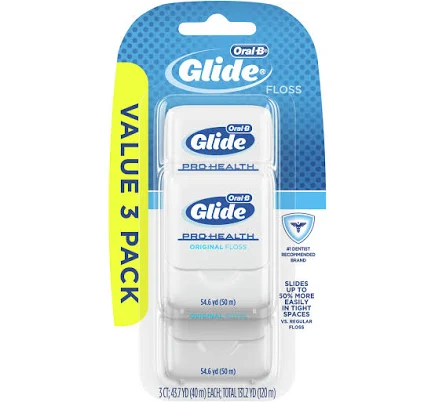
- nylon monofilament
- The brand calls it PFAS-free, which we have not verified
- Microplastics
2 hazards checked on this product, all on its full breakdown.
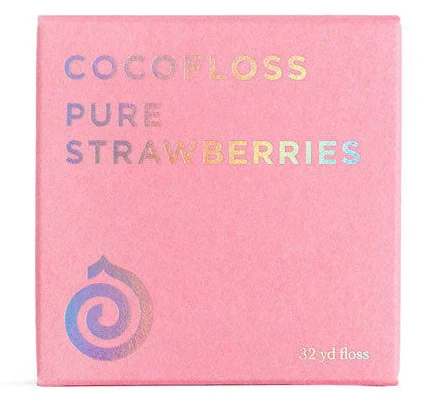
- Coconut fiber-based floss
- The brand calls it PFAS-free, which we have not verified
- Microbial growth in natural fiber storage
More dental floss grades
How we score, every product runs through the same public 0-100 rubric based on materials, coatings, brand disclosure, lab findings, and recalls. See the full methodology → Spotted a mistake? Report an error.