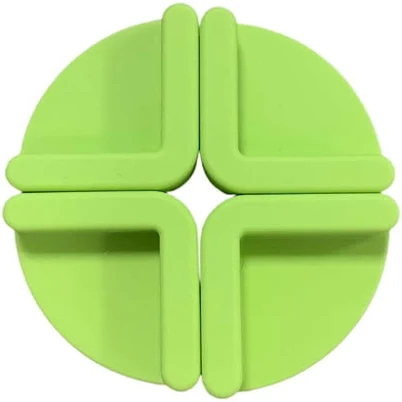
· Silicone Cutting & Prep Boards
Flexible Non Slip Silicone Cutting Board Mat, Is It Non-Toxic?
Silicone mats rarely contain PFAS.
Silicone mats don't require water or stain treatments, making them naturally low-PFAS, though the brand offers no disclosure.
The better-graded swap
Fiskars
Functional Form Cutting Board Set, 3-Piece
85/100 safety
Same rubric that flunked this product. The swap earned Excellent.
Still want this one anyway? Check the price on Amazon. We’d swap it.
Material
silicone mat
Brand disclosure
Brand is silent on PFAS
Lab data
No public lab test
You may also be interested in
Top-graded picks in the categories readers replace first, every one scored on the same rubric.

- polypropylene filter housing, carbon/sediment cartridge
- We found no PFAS statement from the brand
- Bacterial growth in spent cartridges
3 hazards checked on this product, all on its full breakdown.

Aquasure
Premier Series 75 GPD Under Sink Reverse Osmosis Water Filtration System
- RO membrane, carbon filters, stainless steel housing
- We found no PFAS statement from the brand
- Bacterial and microbial growth in housing and filters
4 hazards checked on this product, all on its full breakdown.

Avocado
Vegan Mattress
- organic cotton, natural latex, coconut coir, recycled steel coils
- The brand calls it PFAS-free, which we have not verified
- Heavy metals
2 hazards checked on this product, all on its full breakdown.
Is Flexible Non Slip Silicone Board Mat non-toxic? What it is made of
This product is a food-grade silicone mat, a polymer composed of silicon and oxygen chains with organic side groups. Silicone is thermally stable and chemically inert, meaning it does not leach harmful substances into food under normal cutting and food-contact conditions. Unlike some cookware materials (ceramics with lead-containing glazes, non-stick coatings with Teflon-type coating), silicone has no known mechanism to release toxic compounds during typical kitchen use at room temperature.
What’s concerning
Category baseline
The starting point for this type of product, before anything specific to this product is counted.
No PFAS disclosure
No public statement from the brand about PFAS in this product.
Silicone degradation and microparticle release
Extended use with sharp knives or abrasive cleaning may cause surface microtearing. While food-grade silicone is non-toxic, ingestion of microscopic silicone particles is not thoroughly studied; risk is low under normal domestic use but higher with heavy commercial-style cutting.
Manufacturing residues or additives
Food-grade silicone should be cured and free of uncrosslinked oligomers, but third-party certification is not disclosed for this specific product. FDA compliance is expected but not independently verified on this label.
Heat resistance limits
Silicone mats are designed for room-temperature food prep, not heat exposure. Prolonged contact with hot cookware or oven use above the product's stated temperature rating (typically 200-250°C) may cause swelling or softening; check product instructions before any heat application.
What’s reassuring
Base material not linked to PFAS
The main material recorded for this product is not one associated with PFAS.
Allergen residue from food contact
Silicone does not absorb oils or odors as readily as wood or plastic, reducing cross-contamination risk. No documented allergic reactions to silicone mat contact have been reported.
Lead
Silicone mats do not use ceramic or enamel glazes, eliminating the primary vector for lead and cadmium contamination found in some cookware. Pigments in silicone are typically organic or inorganic oxides with no documented heavy-metal contamination in commercial food-grade mats.
Source, ATSDR ↗How is this PFAS grade calculated?
The brand's record and disclosure
The brand is a mainstream cookware brand owned by Groupe SEB and has no documented major safety recalls or controversies tied to silicone mat products. The company does not publicly disclose detailed material sourcing or third-party certifications specific to this product line. No health or safety warnings have been issued by regulatory bodies (FDA, CPSC) against silicone mats.
How it compares in its category
Silicone cutting mats show lower concern for PFAS than plastic cutting boards that may leach BPA or phthalates when used with sharp knives, and do not have the food contamination risk associated with wooden boards. Glass or stainless-steel alternatives show lower concern for PFAS risk but are less flexible and more prone to breakage. The brand's mat is a standard commercial-grade silicone product with no documented quality or material composition issues distinguishing it negatively from competitors.
If you buy it
Use the mat at room temperature or in warm (not hot) conditions; silicone maintains integrity to approximately 200-250 degrees Celsius, well above typical cutting-board use. Hand wash with mild soap and avoid abrasive scouring pads that may degrade the surface over years of heavy use. Replace if the surface becomes visibly torn, as sharp edges could pose a minor cutting hazard. Store flat or rolled to prevent permanent creasing and extend product life.
What is not known about PFAS in this product?
- Basis
- Model estimate, 78% confidence, not a lab result
- Lab test
- None on record for this exact product
- Brand statement
- has made none
Formulations change between production runs, so check the current label. How we grade.
What are the PFAS-free alternatives to Flexible Non Slip Silicone Cutting Board Mat?
- Polypropylene or similar plastic; no nonstick or waterproof coating disclosed
- We found no PFAS statement from the brand
- Microplastic shedding from cutting action
4 hazards checked on this product, all on its full breakdown.
More silicone cutting & prep boards grades
How we score, every product runs through the same public 0-100 rubric based on materials, coatings, brand disclosure, lab findings, and recalls. See the full methodology → Spotted a mistake? Report an error.