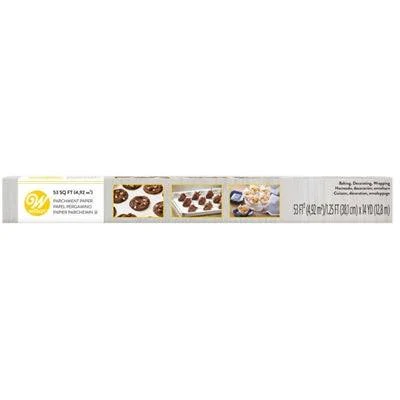
Good Cook · Parchment Paper & Baking Liners
Good Cook Parchment Paper Non-Stick 20 Square Feet
Avoid; parchment paper non-stick coatings often rely on PFAS; Good Cook makes no disclosure.
Good Cook's parchment paper advertises non-stick performance but provides no information about coating chemistry or PFAS content. Parchment papers marketed as non-stick commonly use Teflon-family coating or silicone treatments that may contain legacy PFAS.
The better-graded swap
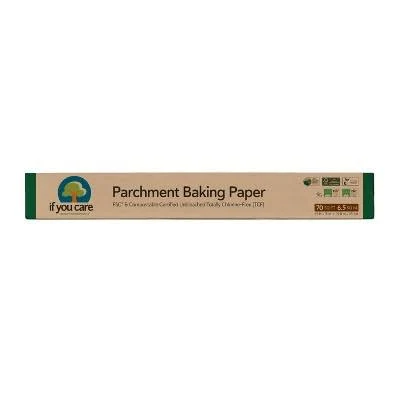
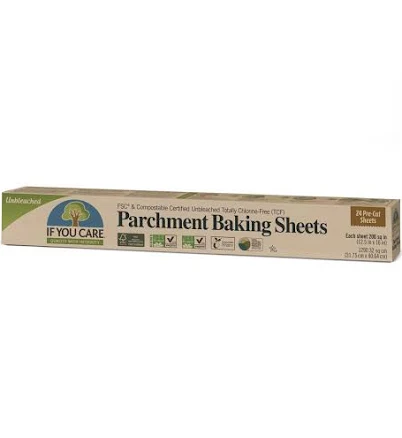
If You Care
If You Care Parchment Baking Paper
90/100 safety
Same rubric that flunked this product. The swap earned Excellent.
Still want this one anyway? Check the price on Amazon. We’d swap it.
Material
Paper with non-stick coating (unspecified)
Brand disclosure
Brand is silent on PFAS
Lab data
No public lab test
You may also be interested in
Top-graded picks in the categories readers replace first, every one scored on the same rubric.

- polypropylene filter housing, carbon/sediment cartridge
- We found no PFAS statement from the brand
- Bacterial growth in spent cartridges
3 hazards checked on this product, all on its full breakdown.

Aquasure
Premier Series 75 GPD Under Sink Reverse Osmosis Water Filtration System
- RO membrane, carbon filters, stainless steel housing
- We found no PFAS statement from the brand
- Bacterial and microbial growth in housing and filters
4 hazards checked on this product, all on its full breakdown.

Avocado
Vegan Mattress
- organic cotton, natural latex, coconut coir, recycled steel coils
- The brand calls it PFAS-free, which we have not verified
- Heavy metals
2 hazards checked on this product, all on its full breakdown.
What Good Cook Parchment Paper Square Feet is made of, ingredients and materials
Good Cook Parchment Paper is cellulose paper coated with a proprietary non-stick layer. The manufacturer does not publicly specify whether this coating uses fluorinated compounds (PFAS-based) or silicone alternatives. Most mass-market parchment papers rely on silicone or wax-based coatings, but some brands use Teflon-type coating or other fluorinated polymers, which can degrade and release fumes above 400-500°F. Without independent testing or brand certification, the exact coating chemistry remains opaque.
What’s concerning
Category baseline
The starting point for this type of product, before anything specific to this product is counted.
No PFAS disclosure
No public statement from the brand about PFAS in this product.
Non-stick, chemistry undisclosed
Marketed as non-stick without stating the coating chemistry.
Non-stick coating degradation and fume release
Without public specification, the coating may contain fluorinated polymers (Teflon-type coating/PFA) or silicone. If fluorinated and heated above 400°F, thermal decomposition can release irritant gases. Temperature limits are not stated on packaging.
Coating leaching into food (migration)
Silicone and wax coatings can migrate into fatty foods (oils, butter, meat fats) at moderate heat. No migration study has been published for Good Cook's specific formulation; risk is typical for budget parchment but unquantified.
Proprietary additives (undisclosed)
Manufacturers often use trade-secret release agents, stabilizers, or slip compounds in non-stick coatings. Good Cook provides no ingredient transparency, preventing independent hazard assessment of minor components.
What’s reassuring
Chlorine residue (if bleached)
Product packaging does not state whether paper is chlorine-bleached. Typical parchment is oxygen-bleached or unbleached; chlorine-bleached variants pose minimal but avoidable exposure risk. No recall or advisory exists for this brand.
How is this PFAS grade calculated?
The brand's record and disclosure
Good Cook, owned by AMSCAN Holdings, is a budget cookware and kitchen accessory brand with no published PFAS policy, sustainability report, or third-party safety certifications on their parchment product. The brand has not voluntarily disclosed coating materials, testing protocols, or heat-stability limits. There are no documented recalls or safety complaints specific to this parchment line on public databases, but absence of complaint does not confirm safety.
How it compares in its category
Budget parchment papers (under $5 for 20 sq ft) typically offer lower disclosure and quality assurance than premium brands like If You Care (certified PFAS-free) or Regency Wraps (explicit silicone coating). Good Cook's price point and silence on coating type places it in the mid-risk segment. Unbleached or silicone-only parchment alternatives are available at similar cost from more transparent manufacturers.
If you buy it
Keep oven temperature at or below 420°F to minimize risk of coating breakdown or fume release; many parchment products lose stability above 450°F. Replace the paper between uses rather than reusing, as repeated heating degrades the non-stick layer and increases leaching potential. Do not use directly over open flame or in broilers. If you notice browning, discoloration, or odor during heating, discard the batch and switch to a certified alternative.
What is not known about PFAS in this product?
- Basis
- Model estimate, 35% confidence, not a lab result
- Lab test
- None on record for this exact product
- Brand statement
- Good Cook has made none
Formulations change between production runs, so check the current label. How we grade.
What are the PFAS-free alternatives to Good Cook Parchment Paper Non-Stick 20 Square Feet?
- silicone-coated parchment paper
- The brand calls it PFAS-free, which we have not verified
- Paper degradation and particulate shedding
- unbleached paper with silicone coating
- The brand calls it PFAS-free, which we have not verified
- Silicone coating degradation at high heat
- bleached paper with silicone coating
- The brand calls it PFAS-free, which we have not verified
- Paper degradation and fragmentation
More parchment paper & baking liners grades
How we score, every product runs through the same public 0-100 rubric based on materials, coatings, brand disclosure, lab findings, and recalls. See the full methodology → Spotted a mistake? Report an error.