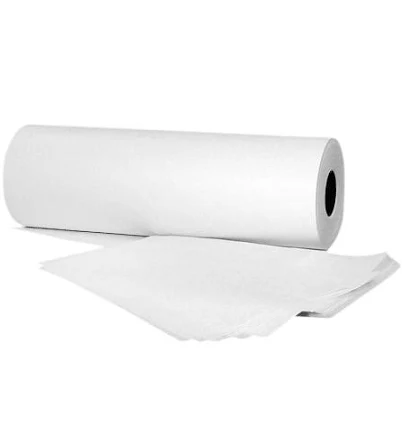
Gordon Paper · Grease-Resistant Butcher & Deli Paper
Gordon Paper Butcher Paper
Lower concern; uncoated butcher paper has minimal PFAS risk.
Plain kraft paper without waterproofing or grease-resistant treatment. No PFAS disclosure, but material type suggests lower risk than treated food packaging.
We flunk more products than we pass. This one earned its grade. How we grade
Material
kraft paper, bleached sulfate pulp
Brand disclosure
Brand is silent on PFAS
Lab data
No public lab test
You may also be interested in
Top-graded picks in the categories readers replace first, every one scored on the same rubric.

- polypropylene filter housing, carbon/sediment cartridge
- We found no PFAS statement from the brand
- Bacterial growth in spent cartridges
3 hazards checked on this product, all on its full breakdown.

Aquasure
Premier Series 75 GPD Under Sink Reverse Osmosis Water Filtration System
- RO membrane, carbon filters, stainless steel housing
- We found no PFAS statement from the brand
- Bacterial and microbial growth in housing and filters
4 hazards checked on this product, all on its full breakdown.

Avocado
Vegan Mattress
- organic cotton, natural latex, coconut coir, recycled steel coils
- The brand calls it PFAS-free, which we have not verified
- Heavy metals
2 hazards checked on this product, all on its full breakdown.
What Gordon Paper Butcher Paper is made of, ingredients and materials
Gordon Paper Butcher Paper is bleached kraft pulp, a wood-fiber paper produced via the sulfate process and chemically whitened. Unlike coated or plastic-laminated food papers, this product has no polymer barrier, adhesives, or synthetic coatings that could leach into food. The bleaching process itself (typically chlorine dioxide in modern mills) leaves no residual chemical burden at levels of concern in finished paper.
What’s concerning
Category baseline
The starting point for this type of product, before anything specific to this product is counted.
No PFAS disclosure
No public statement from the brand about PFAS in this product.
Fiber shedding and ingestion
Uncoated paper can shed microscopic cellulose fibers when torn or saturated. Risk is minimal and fiber is digestible, but avoid prolonged contact with hot, oily foods.
What’s reassuring
Base material not linked to PFAS
The main material recorded for this product is not one associated with PFAS.
Bleach residues (chlorine dioxide, etc.)
Modern sulfate bleaching processes are tightly controlled and residual bleach is negligible in finished paper. No established health concern from Gordon Paper or similar products.
Mold or microbial growth
Kraft paper itself does not support bacterial growth. Risk arises only if stored in damp conditions; keep dry to prevent mildew.
Ink or print contaminants (if printed)
Gordon Paper Butcher Paper is typically unprinted white kraft. If a printed version exists, food-grade inks should be used; confirm with supplier if printing is present on your roll.
Heavy metals
Kraft pulp sourced from reputable U.S. mills is subject to EPA water-discharge standards. No recalls or contamination alerts exist for Gordon brand or typical bleached kraft butcher paper.
Source, FDA ↗How is this PFAS grade calculated?
The brand's record and disclosure
Hardin Simmons is a regional U.S. paper distributor with no major food-safety recalls or public health citations on record for Gordon brand products. The brand does not publish detailed chemical transparency reports or third-party certifications (e.g., FDA Form 510(k) submissions). Absence of disclosure is typical for commodity butcher paper and does not indicate a safety problem.
How it compares in its category
Uncoated kraft butcher paper is one of the lowest-chemical-risk food-contact papers available. It sits well below plastic-laminated butcher paper (which may contain BPA or other polymeric leachables), wax-coated papers (potential for mineral oil contamination), or chlorine-bleached tissues. Bleached kraft is mainstream for direct food wrap in butcher shops and restaurants.
If you buy it
Use for cold or room-temperature food storage and wrapping; avoid direct contact with very hot foods or oils for extended periods, as kraft fibers can soften and shed when saturated with fat. Replace sheets if visibly torn, wet, or discolored. Store in a cool, dry location away from strong odors. No special washing or maintenance needed; discard after use.
What is not known about PFAS in this product?
- Basis
- Model estimate, 72% confidence, not a lab result
- Lab test
- None on record for this exact product
- Brand statement
- Gordon Paper has made none
Formulations change between production runs, so check the current label. How we grade.
What are the PFAS-free alternatives to Gordon Paper Butcher Paper?
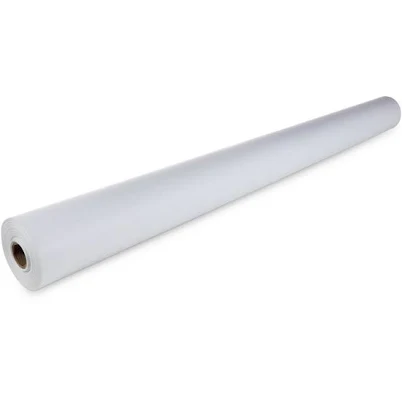
IDL Packaging
White Butcher Paper 18" x 12000" Natural Butcher Paper Roll for Meat and Fish
- unbleached natural kraft paper
- The brand calls it PFAS-free, which we have not verified
- Mold or microbial growth
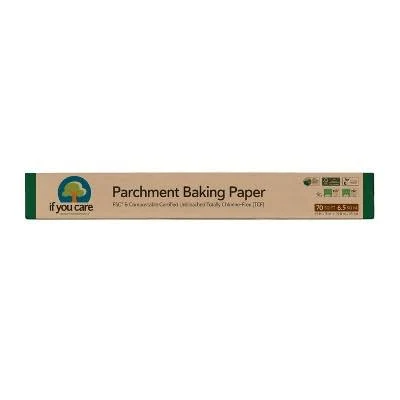
- unbleached parchment paper, silicone coating
- The brand calls it PFAS-free, which we have not verified
- Silicone coating degradation under heat stress
2 hazards checked on this product, all on its full breakdown.
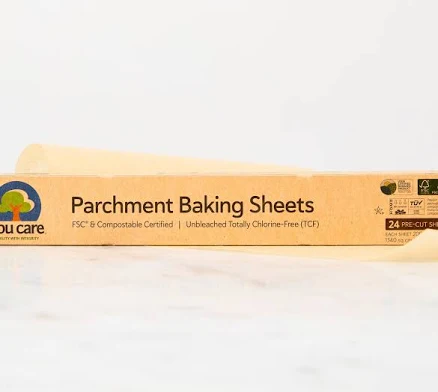
- Silicone-coated parchment paper
- The brand calls it PFAS-free, which we have not verified
- Silicone coating degradation at high heat
More grease-resistant butcher & deli paper grades
How we score, every product runs through the same public 0-100 rubric based on materials, coatings, brand disclosure, lab findings, and recalls. See the full methodology → Spotted a mistake? Report an error.