Huhtamaki · Disposable Food Containers
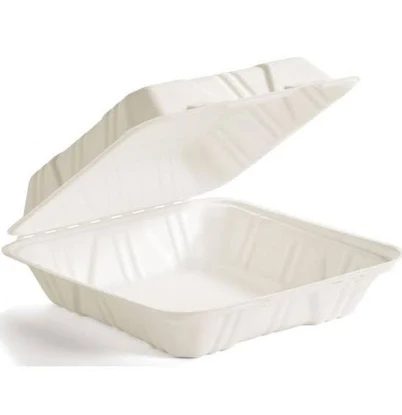
Huhtamaki 68005 Hinged Food Container 9" X 9" X 3
Molded fiber containers typically pose lower PFAS risk.
Huhtamaki's hinged fiber containers are common food packaging from molded pulp. Moisture resistance suggests a coating, yet Huhtamaki discloses nothing about PFAS use or avoidance.
The better-graded swap
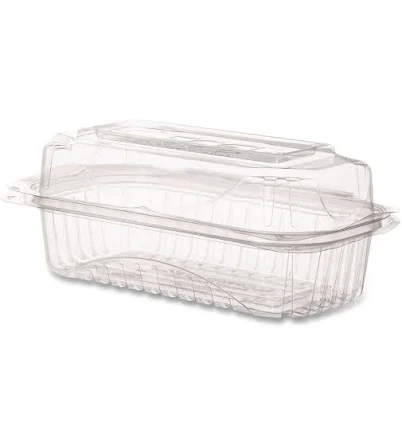
Eco-Products
Eco-Products Compostable Clear Clamshell Hinged Food
100/100 safety
Same rubric that flunked this product. The swap earned Excellent.
Still want this one anyway? Check the price on Amazon. We’d swap it.
Material
Molded fiber pulp, likely moisture/grease resistant coating
Brand disclosure
Brand is silent on PFAS
Lab data
No public lab test
What Huhtamaki 68005 Hinged Food Container 9" is made of, ingredients and materials
This container is molded fiber pulp, a cellulose-based material made from recycled paper and wood fiber, which is chemically inert and does not leach plastic monomers like BPA or phthalates. The moisture and grease resistance comes from a coating applied during manufacturing, typically a hydrocarbon or bio-based wax or sizing agent. Molded fiber naturally resists degradation from food contact and does not require polymeric stabilizers or plasticizers that pose ingestion risks. The material is designed for single and limited-reuse food service, and breakdown products remain cellulose derivatives rather than synthetic chemicals.
What’s concerning
Category baseline
The starting point for this type of product, before anything specific to this product is counted.
No PFAS disclosure
No public statement from the brand about PFAS in this product.
Waterproof / stain-resistant treatment
Water-repellent coating treatments have historically used PFAS.
Microorganism growth (mold, bacteria) on degraded material
Molded fiber is cellulose-based and hygroscopic; if reused without proper drying or stored in humid conditions, fungal or bacterial biofilm can develop on coating micro-cracks or exposed fiber.
Degradation and fiber release from repeated washing
The coating wears with each wash cycle; prolonged moisture exposure can cause fiber separation and small pulp particles may shed into food, though risk is low if discarded promptly after visible wear.
What’s reassuring
Coating leachables (proprietary composition)
Huhtamaki does not disclose the specific chemical identity of moisture/grease-resistant coatings on this product. No contamination or toxicity incidents are documented, but full composition transparency is unavailable in public sources.
BPA & bisphenols
Molded fiber does not contain plastic resins and is not formulated with BPA, BPS, or phthalates by design; chemical leaching characteristic of polycarbonate and PVC does not apply.
Source, FDA ↗Heat-induced leaching or volatilization
Molded fiber is stable below 160°F; no evidence of toxic volatile release at food-service temperatures. Microwave and oven exposure can damage the coating but do not produce reported chemical off-gassing.
The full breakdown
The brand's record and disclosure
Huhtamaki is a large, publicly traded Finnish food-service packaging manufacturer with ISO 9001 and food-contact certifications standard to the industry. The company has not published specific PFAS elimination commitments or detailed coating composition for this product line, which is typical for the molded-fiber segment. No recalls, contamination incidents, or regulatory violations are on record for Huhtamaki food containers. The silence on coating chemistry is a minor transparency gap but not evidence of hazard.
How it compares in its category
Molded fiber containers carry lower synthetic chemical risk than polystyrene clamshells or PET plastic, and avoid polymer leaching entirely. They are comparable in safety to uncoated cardboard but retain better moisture resistance for wet foods. Versus compostable plastic (PLA/PBAT blends), molded fiber has no thermal-leaching risk and better established long-term food-contact history. The trade-off is that the grease-resistant coating composition is proprietary and not fully disclosed, whereas some premium brands now publish fluorine-free coating data.
If you buy it
Use for cold to warm foods (below 160°F/71°C); do not microwave or place in conventional ovens. Inspect for visible degradation, tears, or mold before reuse if container is washed; discard if structural integrity is compromised. Replace after 3-5 hand washes or after any oil/grease saturation, as the coating degrades over time and moisture may penetrate. Store in a dry, well-ventilated space to prevent mold growth, especially if containers are stacked while damp.
What we don’t know
- Basis
- Model estimate, 62% confidence, not a lab result
- Lab test
- None on record for this exact product
- Brand statement
- Huhtamaki has made none
Formulations change between production runs, so check the current label. How we grade.
Better-graded alternatives in Disposable Food Containers
Eco-Products
Compostable Clear Clamshell Hinged Food
- Compostable resin (PLA/PBAT blend, plant-based)
- A third party reports verifying it as PFAS-free
- Thermal degradation and chemical release at use temperatures
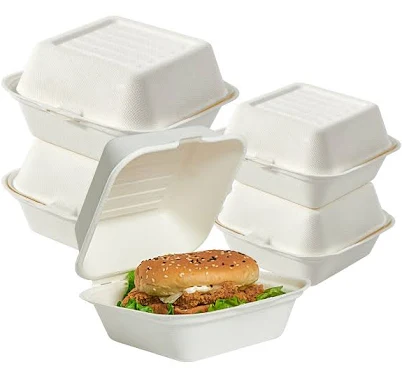
Lipak
ECO- Lipak Wholesale Sugarcane Clamshell To-Go Boxes
- Sugarcane bagasse (compostable fiber)
- We found no PFAS statement from the brand
- Bleaching agents and residual processing chemicals
3 hazards checked on this product. See all of them.
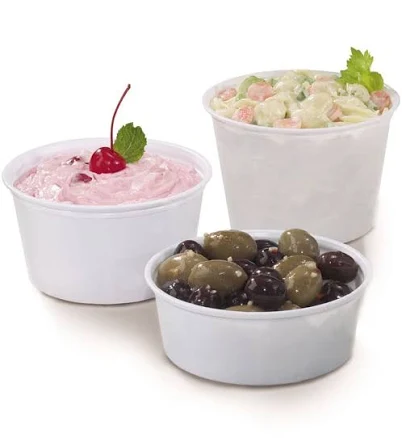
Fabri-Kal
Kal-Tainer 8 Ounce Squat White Container 10 / CS
- polypropylene (PP) container, uncoated
- We found no PFAS statement from the brand
- Microplastics
2 hazards checked on this product. See all of them.
More disposable food containers grades
How we score, every product runs through the same public 0-100 rubric based on materials, coatings, brand disclosure, lab findings, and recalls. See the full methodology → Spotted a mistake? Report an error.