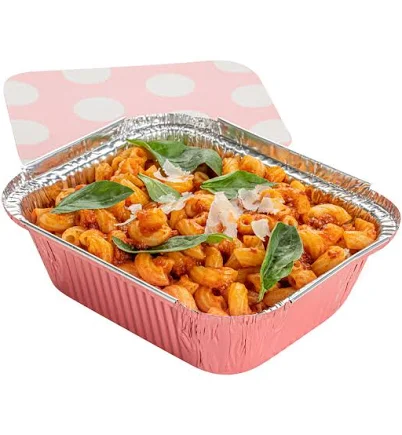
12 oz Rectangle Aluminum Take Out Container with Polka Dot Paper Lid
Lower concern but unconfirmed, paper lid may have water-resistant coating.
Aluminum containers themselves pose lower PFAS risk, but the paper polka-dot lid often gets water-resistant coatings of unknown makeup. The brand makes no PFAS disclosure for this product.
The better-graded swap
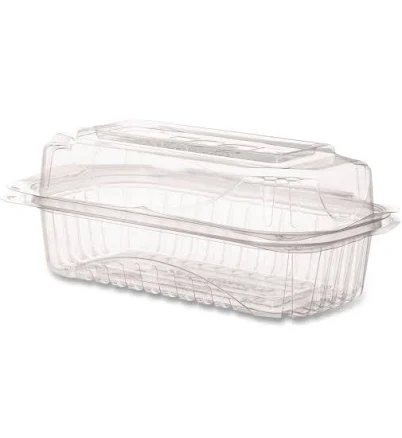
Eco-Products
Eco-Products Compostable Clear Clamshell Hinged Food
100/100 safety
Same rubric that flunked this product. The swap earned Excellent.
Still want this one anyway? Check the price on Amazon. We’d swap it.
Material
Aluminum container with paper polka-dot lid
Brand disclosure
Brand is silent on PFAS
Lab data
No public lab test
You may also be interested in
Top-graded picks in the categories readers replace first, every one scored on the same rubric.

- polypropylene filter housing, carbon/sediment cartridge
- We found no PFAS statement from the brand
- Bacterial growth in spent cartridges
3 hazards checked on this product, all on its full breakdown.

Aquasure
Premier Series 75 GPD Under Sink Reverse Osmosis Water Filtration System
- RO membrane, carbon filters, stainless steel housing
- We found no PFAS statement from the brand
- Bacterial and microbial growth in housing and filters
4 hazards checked on this product, all on its full breakdown.

Avocado
Vegan Mattress
- organic cotton, natural latex, coconut coir, recycled steel coils
- The brand calls it PFAS-free, which we have not verified
- Heavy metals
2 hazards checked on this product, all on its full breakdown.
What 12 oz Rectangle Aluminum Dot Paper Lid is made of, ingredients and materials
This product combines food-grade aluminum (the container) with paper composite (the lid). Aluminum is inert in neutral pH foods and does not leach significantly into acidic or fatty foods at room temperature or moderate heat. The polka-dot paper lid is a multi-ply composite designed for moisture and grease resistance, which typically requires a coating, most often wax, clay, or synthetic polymer, whose exact composition the brand does not publicly disclose.
What’s concerning
Category baseline
The starting point for this type of product, before anything specific to this product is counted.
No PFAS disclosure
No public statement from the brand about PFAS in this product.
Waterproof / stain-resistant treatment
Water-repellent coating treatments have historically used PFAS.
Paper lid coating composition (unverified)
The brand does not disclose whether the polka-dot lid uses wax, clay, silicone, or synthetic polymer coating. PFAS-free claims are not made; some paper food coatings historically contained fluorinated compounds, though this is not confirmed for this product.
Mold or bacterial growth in reused containers
Paper absorbs moisture and degrades over time, creating conditions for microbial growth if containers are stored damp or reused multiple times without proper cleaning and drying.
Degradation and loss of barrier integrity
Paper lids are inherently temporary; moisture and grease permeability increase significantly after 4-6 weeks of storage. No durability lifespan is specified by the brand, and lid coating will gradually fail with age and thermal cycling.
What’s reassuring
Aluminum leaching (minor risk)
Aluminum does not leach into neutral pH or basic foods at ambient or warm temperatures. Risk is negligible for typical use (sandwiches, baked goods, cold salads) and absent in short-term contact.
Microplastic or coating migration (unlikely in normal use)
Paper lids do not shed microplastics. Risk of coating particles entering food is low unless the lid is physically damaged or exposed to solvents or extreme heat.
How is this PFAS grade calculated?
The brand's record and disclosure
The brand is a UK-based kitchenware and home products retailer with no documented safety recalls or formal chemical disclosure policies on this product line. The company does not publish ingredient lists or coating specifications for disposable food packaging. No independent third-party certifications (such as FDA compliance statements or compostability claims) are prominently advertised for this container, limiting transparency on lid safety.
How it compares in its category
Aluminum take-out containers are the industry standard for food service and pose lower concern than plastic clamshells for hot or fatty foods, since aluminum does not carry risk of leaching plasticizers or BPA. However, paper lids are more variable than rigid closures; the coating composition directly affects contamination risk. Comparable products from major foodservice distributors often lack detailed coating disclosure, making this product neither notably better nor worse in transparency.
If you buy it
Use these containers for foods at or below 60°C (140°F) to avoid excessive thermal stress on the paper lid. Avoid prolonged contact with acidic foods (vinegar, citrus) or high-fat foods, which may degrade the lid coating over time. Store in a cool, dry place before use; do not reuse containers repeatedly as the paper softens and loses integrity. Replace immediately if the lid shows visible wear, staining, or odor, as coating degradation may compromise barrier function.
What is not known about PFAS in this product?
- Basis
- Model estimate, 62% confidence, not a lab result
- Lab test
- None on record for this exact product
- Brand statement
- has made none
Formulations change between production runs, so check the current label. How we grade.
What are the PFAS-free alternatives to 12 oz Rectangle Aluminum Take Out Container with Polka Dot Paper Lid?
Eco-Products
Compostable Clear Clamshell Hinged Food
- Compostable resin (PLA/PBAT blend, plant-based)
- A third party reports verifying it as PFAS-free
- Thermal degradation and chemical release at use temperatures
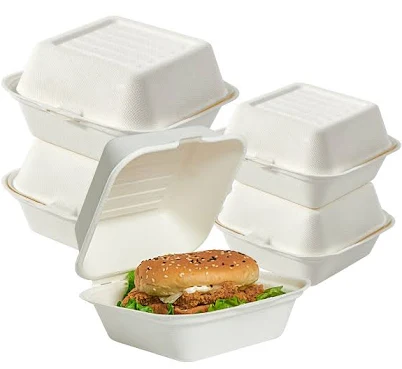
- Sugarcane bagasse (compostable fiber)
- We found no PFAS statement from the brand
- Bleaching agents and residual processing chemicals
3 hazards checked on this product, all on its full breakdown.
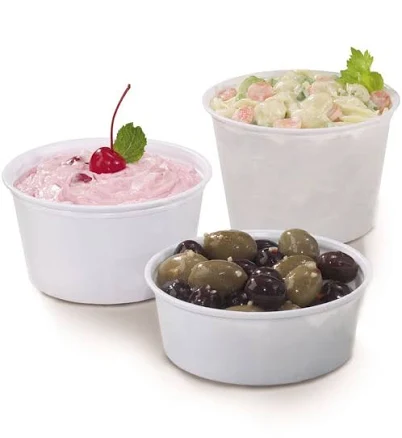
- polypropylene (PP) container, uncoated
- We found no PFAS statement from the brand
- Microplastics
2 hazards checked on this product, all on its full breakdown.
More disposable food containers grades
How we score, every product runs through the same public 0-100 rubric based on materials, coatings, brand disclosure, lab findings, and recalls. See the full methodology → Spotted a mistake? Report an error.