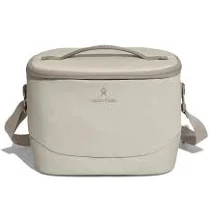
Hydro Flask Carryout Lunch Bag
Skip; waterproof lunch bag coating likely contains PFAS.
Hydro Flask does not disclose PFAS status or coating chemistry for this insulated lunch bag. Water-resistant finishes on soft goods typically use fluorinated chemicals; no public testing available.
The better-graded swap
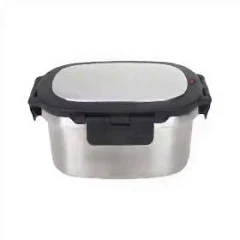
Mainstays
Mainstays Food Container Reusable Insulated Stainless Steel
80/100 safety
Same rubric that flunked this product. The swap earned Excellent.
Still want this one anyway? Check the price on Amazon. We’d swap it.
Material
Nylon/polyester outer with unspecified water-resistant finish
Lab data
No public lab test
What Hydro Flask Carryout Lunch Bag is made of, ingredients and materials
The Hydro Flask Carryout Lunch Bag uses a nylon and polyester blend with an unspecified water-resistant finish applied to achieve its moisture barrier. The exact chemistry of this finish is not disclosed by Hydro Flask. Waterproof finishes on fabric food-contact containers commonly rely on PFAS-based compounds (Teflon-family coating) to repel liquids; alternatives exist (wax, silicone, polyurethane) but are rarely named by manufacturers. Without transparency, the coating composition cannot be verified against safer alternatives.
What’s concerning
Waterproof / stain-resistant treatment
Water-repellent coating treatments have historically used PFAS.
Category baseline
The starting point for this type of product, before anything specific to this product is counted.
No PFAS disclosure
No public statement from the brand about PFAS in this product.
Phthalates
Polyester in the blend may contain residual phthalates from manufacturing; no third-party testing of this product is on record. Direct food contact with polyester textiles is generally low-risk unless the material degrades or is heated.
Source, ATSDR ↗Microplastics
Waterproof coatings on synthetic textiles can shed micro-particles over time, particularly when flexed, washed, or exposed to friction. This is a documented risk class for all coated nylon/polyester bags, though no specific testing of Hydro Flask Carryout bags exists in public records.
Source, EPA ↗Unspecified finish leachables
The water-resistant finish is not named on the product label or website. Without knowing whether it is PFAS, silicone, polyurethane, or another polymer, potential leaching into food cannot be ruled out, especially if the coating is damaged or the bag is used with acidic or oily foods.
Mold and bacterial growth if not dried
Nylon and polyester retain moisture in seams and closures; if food residue accumulates and the bag is not dried completely, mold and bacterial colonies can develop. This is a maintenance hazard, not a material hazard, but is common in reusable food containers.
What’s reassuring
Heavy metals
No specific testing, recalls, or reports of heavy metal or azo dye contamination in this Hydro Flask product exist in public records. Polyester and nylon are generally lower-concern for metal uptake compared to natural fibers, though manufacturing practices vary.
Source, FDA ↗The full breakdown
The brand's record and disclosure
Hydro Flask has not published public statements on PFAS use in any product line, including lunch bags. The brand does not list ingredient sourcing, finish chemistry, or third-party certifications (such as OEKO-TEX or bluesign) on product pages. No recalls related to this product or similar lunch bags from Hydro Flask are on record. The silence on water-resistant finish composition is consistent with industry-wide lack of transparency in coated textile products.
How it compares in its category
Reusable lunch bags in this segment typically use nylon or polyester with waterproof finishes; most brands do not disclose coating type. Alternatives include uncoated canvas (lower water resistance), silicone-lined bags (explicit silicone finish), or PVC-lined bags (PVC identified but carries separate concerns). Hydro Flask's market positioning emphasizes durability and brand rather than material transparency, a pattern typical of lifestyle beverage brands entering food-storage categories. This product offers no documented advantage in safety testing or finish disclosure versus competitors.
If you buy it
Use only for ambient-temperature food storage; nylon and polyester are not heat-resistant and will degrade if exposed to hot foods or liquids above 60C. Do not microwave or place in direct sunlight for extended periods, as UV and heat can degrade the coating and release breakdown particles. Wipe interior with mild soap and dry thoroughly after each use to prevent mold and bacterial growth in seams and crevices. Replace if the water-resistant coating visibly peels, cracks, or flakes, as coating failure signals potential leaching from the underlying material.
What we don’t know
- Basis
- Model estimate, 35% confidence, not a lab result
- Lab test
- None on record for this exact product
- Brand statement
- Hydro Flask has made a specific claim
Formulations change between production runs, so check the current label. How we grade.
Better-graded alternatives in Lunch Boxes
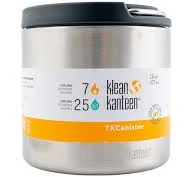
Klean Kanteen
Double Wall Vacuum Insulated Stainless Steel Food Canister Container with Leak Proof Lid
- Stainless steel body, silicone gasket lid seal
- The brand calls it PFAS-free, which we have not verified
- Silicone gasket degradation
3 hazards checked on this product. See all of them.
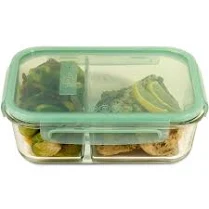
Snapware
Meal Box Glass
- borosilicate glass
- We found no PFAS statement from the brand
- Leaching from glass matrix or lid seals
2 hazards checked on this product. See all of them.
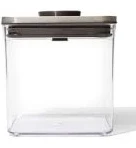
OXO
Steel Pop Big Square Short - 2.8 Qt/2.6 l
- Stainless steel container, no surface treatment
- Lid/gasket polymer leaching
3 hazards checked on this product. See all of them.
More lunch boxes grades
How we score, every product runs through the same public 0-100 rubric based on materials, coatings, brand disclosure, lab findings, and recalls. See the full methodology → Spotted a mistake? Report an error.