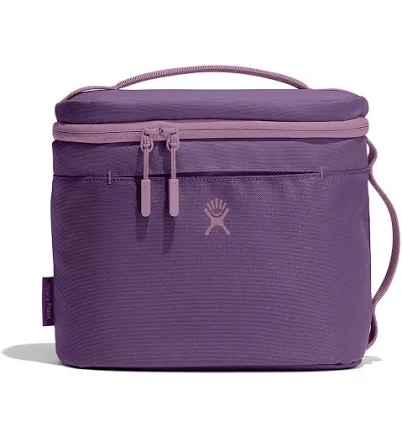
Hydro Flask Insulated Lunch Bag
Lunch bag material typical, but waterproof coating PFAS status unclear from brand.
Hydro Flask does not disclose PFAS content or water-resistant treatment chemistry. Lunch bag liners commonly use PFAS-based water-repellent coating finishes, but Hydro Flask provides no public documentation either confirming or ruling this out.
The better-graded swap
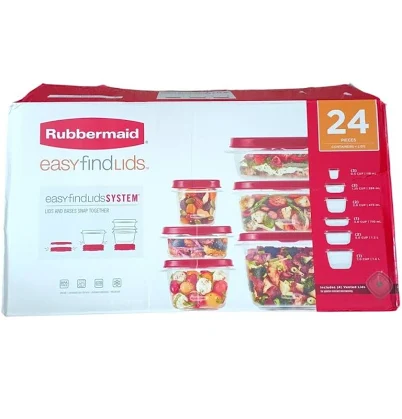
Rubbermaid
Rubbermaid 24 Pc Easy Find Lid Containers & 8 Pc Stainless Container Set
80/100 safety
Same rubric that flunked this product. The swap earned Excellent.
Still want this one anyway? Check the price on Amazon. We’d swap it.
Material
neoprene-lined polyester exterior with waterproof backing
Lab data
No public lab test
What Hydro Flask Insulated Lunch Bag is made of, ingredients and materials
The Hydro Flask lunch bag uses a neoprene-lined polyester exterior with a waterproof backing layer. Neoprene is a synthetic rubber that does not leach BPA or phthalates, and polyester itself is not known to migrate harmful chemicals into food under normal use. The waterproof backing is the material of concern, manufacturers typically use Teflon-type coating coatings or PFC-based treatments (water and grease repellents) to achieve water resistance, and neither Hydro Flask nor most competitors disclose which method they use. Food contact is indirect (bag holds containers, not food directly), which reduces exposure risk compared to direct-contact packaging.
What’s concerning
Waterproof / stain-resistant treatment
Water-repellent coating treatments have historically used PFAS.
Category baseline
The starting point for this type of product, before anything specific to this product is counted.
No PFAS disclosure
No public statement from the brand about PFAS in this product.
PFAS
The neoprene and polyester materials are low-risk, but the waterproof backing likely uses either Teflon-type coating or PFC treatments. Without brand disclosure, exposure risk cannot be quantified, though indirect food contact via the bag exterior limits direct ingestion pathways.
Source, ATSDR ↗Microplastics
Neoprene can shed microparticles if abraded or compressed repeatedly. In a lunch bag context, shedding occurs into the interior cavity, not directly into food (containers provide a barrier), but careful storage and periodic inspection are prudent.
Source, EPA ↗Waterproof backing degradation and leaching
Over 2-3 years of use, waterproof coatings can crack, peel, or break down from temperature cycling, moisture, and flexing. Degradation may accelerate leaching of coating components; replacement is advisable once damage is visible.
What’s reassuring
Phthalates
Neoprene and polyester, as bulk polymers, do not inherently contain phthalates as additives in modern formulations. This product carries no established phthalate risk from its core materials.
Source, ATSDR ↗BPA & bisphenols
Polyester fabric itself does not release BPA or BPS under normal use. This hazard is not established for this product category unless interior linings or adhesives were separately treated.
Source, FDA ↗The full breakdown
The brand's record and disclosure
Hydro Flask (owned by Helen of Troy Limited) does not publicly state whether its lunch bags use PFAS-based waterproofing or provide third-party testing for PFAS content. The brand markets durability and thermal performance heavily but remains silent on chemical composition beyond material names. No published recalls or safety controversies specific to this product have been documented. This silence is notable, competitors like LL.Bean and Patagonia have begun disclosing or eliminating PFAS from insulated bags, making Hydro Flask's lack of transparency a comparative weakness.
How it compares in its category
Insulated lunch bags typically use polyester, nylon, or canvas with waterproof coatings; neoprene-lined bags are mid-market in durability. Most competitors do not proactively disclose PFAS status, making this product unremarkable in transparency. Canvas or wool-lined alternatives (from brands like L.L.Bean's recycled polyester line) offer similar performance with somewhat clearer chemical disclosure. Hydro Flask's bag is competitively priced and durable but not distinguished by lower concern material choice or disclosure compared to equivalent products.
If you buy it
Use this bag only for holding pre-packaged or container-stored food, never for direct food storage. Spot-clean with mild soap and water; do not machine-wash or dry-clean, as harsh treatment may degrade the waterproof backing and increase leaching risk. Replace if the lining develops cracks, peeling, or odors that persist after cleaning. Contact Hydro Flask's customer service to request documentation of waterproof coating type; your inquiry may encourage transparency disclosures across their product line.
What we don’t know
- Basis
- Model estimate, 45% confidence, not a lab result
- Lab test
- None on record for this exact product
- Brand statement
- Hydro Flask has made a specific claim
Formulations change between production runs, so check the current label. How we grade.
Better-graded alternatives in Lunch Boxes
Klean Kanteen
Double Wall Vacuum Insulated Stainless Steel Food Canister Container with Leak Proof Lid
- Stainless steel body, silicone gasket lid seal
- The brand calls it PFAS-free, which we have not verified
- Silicone gasket degradation
3 hazards checked on this product. See all of them.
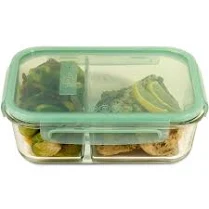
Snapware
Meal Box Glass
- borosilicate glass
- We found no PFAS statement from the brand
- Leaching from glass matrix or lid seals
2 hazards checked on this product. See all of them.
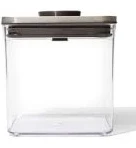
OXO
Steel Pop Big Square Short - 2.8 Qt/2.6 l
- Stainless steel container, no surface treatment
- Lid/gasket polymer leaching
3 hazards checked on this product. See all of them.
More lunch boxes grades
How we score, every product runs through the same public 0-100 rubric based on materials, coatings, brand disclosure, lab findings, and recalls. See the full methodology → Spotted a mistake? Report an error.