Iyengar Yoga · Yoga & Exercise Mats
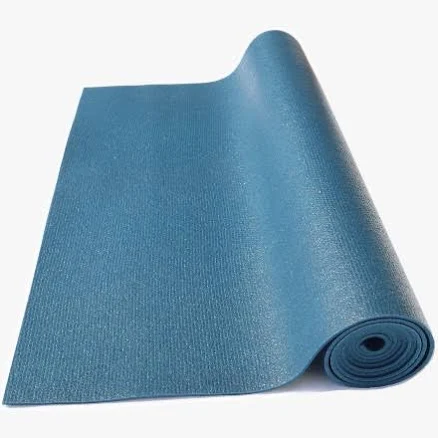
Iyengar Sticky Yoga Mat 3mm & 4.5mm With Mat Carry Strap - Blue - 3mm
Yoga mats typically lower PFAS risk; no red flags identified.
Yoga mats are generally not treated with PFAS-based water repellents or nonstick coatings. No brand claims or disclosures found; material composition not fully transparent online.
We flunk more products than we pass. This one earned its grade. How we grade
Material
PVC or natural rubber base, adhesive grip surface
Brand disclosure
Brand is silent on PFAS
Lab data
No public lab test
You may also be interested in
Top-graded picks in the categories readers replace first, every one scored on the same rubric.

- polypropylene filter housing, carbon/sediment cartridge
- We found no PFAS statement from the brand
- Bacterial growth in spent cartridges
3 hazards checked on this product, all on its full breakdown.

Aquasure
Premier Series 75 GPD Under Sink Reverse Osmosis Water Filtration System
- RO membrane, carbon filters, stainless steel housing
- We found no PFAS statement from the brand
- Bacterial and microbial growth in housing and filters
4 hazards checked on this product, all on its full breakdown.

Avocado
Vegan Mattress
- organic cotton, natural latex, coconut coir, recycled steel coils
- The brand calls it PFAS-free, which we have not verified
- Heavy metals
2 hazards checked on this product, all on its full breakdown.
What Iyengar Sticky Yoga Mat 3mm & 4.5mm Blue is made of, ingredients and materials
Iyengar mats are typically manufactured from PVC (polyvinyl chloride) or natural rubber blends with a textured adhesive surface layer designed to prevent slipping during poses. PVC mats are durable and affordable but can off-gas volatile organic compounds (VOCs), particularly when new or in warm conditions. Natural rubber variants carry lower chemical release risk but may degrade faster under UV exposure and heat. The 3mm thickness offers moderate cushioning suitable for standing and balance poses without excessive softness.
What’s concerning
Category baseline
The starting point for this type of product, before anything specific to this product is counted.
No PFAS disclosure
No public statement from the brand about PFAS in this product.
Formaldehyde / VOCs
PVC mats commonly emit VOCs when new or exposed to heat; indoor use without ventilation may cause mild irritation in sensitive individuals. Natural rubber variants typically off-gas less but are not explicitly marketed as low-VOC by this brand.
Source, ATSDR ↗Bacterial and mold growth in grip surface
The textured adhesive layer can trap moisture and sweat, creating conditions for microbial colonization if not dried and cleaned regularly. This is a maintenance issue, not an inherent material defect.
Surface degradation and microfiber/particle release
Over extended use, the grip layer can flake, shed, or break down, potentially releasing small particles. Risk increases with age, UV exposure, and high-temperature storage.
What’s reassuring
Base material not linked to PFAS
The main material recorded for this product is not one associated with PFAS.
Allergen contact from material or adhesives
No documented cases of latex allergy or contact dermatitis specific to this product. Natural rubber variants do carry theoretical latex sensitivity risk for susceptible individuals; PVC versions do not.
Heavy metals
No recalls or test results documenting lead, cadmium, or other heavy metal contamination in this product. PVC stabilizers are regulated in most markets, but the brand does not independently verify composition.
Source, FDA ↗How is this PFAS grade calculated?
The brand's record and disclosure
Iyengar Yoga is a well-established brand associated with the B.K.S. Iyengar method and is widely stocked in mainstream retailers. The brand does not publicly disclose detailed material sourcing, chemical testing, or third-party certifications (such as Oeko-Tex or GreenGuard). No major safety recalls or contamination incidents have been documented for this product line in public databases. The brand's silence on PFAS and other chemical additives is consistent with industry norms for budget-to-mid-range yoga mat manufacturers.
How it compares in its category
Iyengar mats are mid-range offerings; they sit between discount rubber mats and premium brands (Manduka, Liforme) that offer certified low-VOC or natural materials and full transparency. Most PVC mats in this price segment carry similar off-gassing profiles and durability expectations. Natural rubber versions are slightly better for VOC concerns but require more maintenance. The carry strap is a practical convenience feature with no documented safety issues.
If you buy it
Air out a new mat in a well-ventilated space for 48 hours before use to minimize VOC inhalation, especially if indoors. Clean regularly with mild soap and water to prevent bacterial or mold buildup in the textured grip surface, which can harbor moisture. Avoid direct sunlight and heat sources that accelerate material degradation and off-gassing. Replace the mat every 1 to 2 years or sooner if the grip surface becomes slippery, cracked, or visibly compromised.
What is not known about PFAS in this product?
- Basis
- Model estimate, 72% confidence, not a lab result
- Lab test
- None on record for this exact product
- Brand statement
- Iyengar Yoga has made none
Formulations change between production runs, so check the current label. How we grade.
What are the PFAS-free alternatives to Iyengar Sticky Yoga Mat 3mm & 4.5mm With Mat Carry Strap - Blue - 3mm?
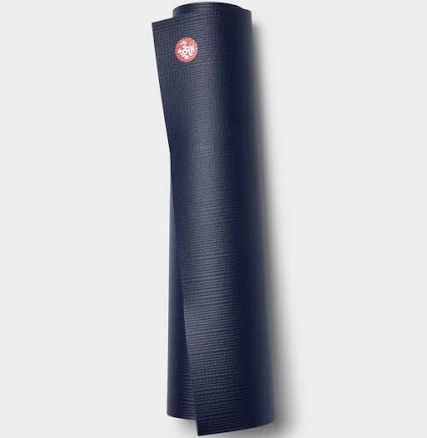
- closed-cell PVC-free foam, rubber top
- A third party reports verifying it as PFAS-free
- Formaldehyde / VOCs
3 hazards checked on this product, all on its full breakdown.
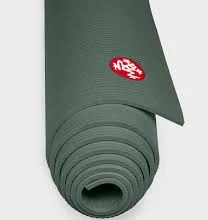
Manduka
Almost Perfect PROlite Yoga Mat
- Natural rubber and PVC, no Teflon-family coating
- A third party reports verifying it as PFAS-free
- Volatile organic compounds (VOCs) from natural rubber
More yoga & exercise mats grades
How we score, every product runs through the same public 0-100 rubric based on materials, coatings, brand disclosure, lab findings, and recalls. See the full methodology → Spotted a mistake? Report an error.