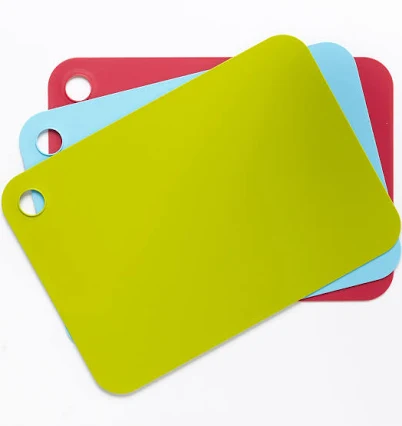
Joseph Joseph · Silicone Cutting & Prep Boards
Joseph Joseph 3-piece Cutting Mat Set, Is It Non-Toxic?
Lower concern. Cutting mats are bare food-contact plastics without intentional coatings.
These Joseph Joseph cutting mats are TPE or polypropylene without reported PFAS treatment. No brand disclosure on PFAS exists, but material type and use suggest lower risk than nonstick cookware.
The better-graded swap
Fiskars
Functional Form Cutting Board Set, 3-Piece
85/100 safety
Same rubric that flunked this product. The swap earned Excellent.
Still want this one anyway? Check the price on Amazon. We’d swap it.
Material
TPE (thermoplastic elastomer) or polypropylene cutting mats
Brand disclosure
Brand is silent on PFAS
Lab data
No public lab test
You may also be interested in
Top-graded picks in the categories readers replace first, every one scored on the same rubric.

- polypropylene filter housing, carbon/sediment cartridge
- We found no PFAS statement from the brand
- Bacterial growth in spent cartridges
3 hazards checked on this product, all on its full breakdown.

Aquasure
Premier Series 75 GPD Under Sink Reverse Osmosis Water Filtration System
- RO membrane, carbon filters, stainless steel housing
- We found no PFAS statement from the brand
- Bacterial and microbial growth in housing and filters
4 hazards checked on this product, all on its full breakdown.

Avocado
Vegan Mattress
- organic cotton, natural latex, coconut coir, recycled steel coils
- The brand calls it PFAS-free, which we have not verified
- Heavy metals
2 hazards checked on this product, all on its full breakdown.
Is Joseph Joseph 3-piece Cutting Mat Set non-toxic? What it is made of
Joseph Joseph cutting mats are typically made from TPE (thermoplastic elastomer) or polypropylene (PP), both non-porous plastics designed to resist staining and bacterial retention. These materials are chosen specifically because they do not leach into food under normal cutting use, they remain solid, unlike rigid plastics that can chip or degrade. Neither material requires a protective coating (like Teflon-type coating or ceramic), which eliminates coating-degradation and fume-release pathways common in cookware. The lack of metal additives or glazes also eliminates lead, cadmium, and aluminum leaching concerns tied to traditional cutting boards.
What’s concerning
Category baseline
The starting point for this type of product, before anything specific to this product is counted.
No PFAS disclosure
No public statement from the brand about PFAS in this product.
Microplastic shedding from surface wear
Cutting action on TPE/PP mats can generate microscopic plastic particles, especially after years of use; ingestion risk is low for infrequent household users but increases with repeated chopping of abrasive vegetables or high-frequency commercial use.
Surface degradation and leaching under heat stress
While TPE and PP are stable at room temperature, exposure to sustained high heat (above 60-70°C / 140-160°F) or boiling liquids can soften or slightly degrade the surface, potentially releasing trace plastic compounds; not a typical cutting-mat use case, but relevant if mats are placed under hot pans or in very hot kitchens.
Bacterial or mold retention in seams or cracks
If the 3-piece set design includes interlocking seams or edges, bacteria can trap in crevices if mats are not fully dried after washing; regular, thorough drying and inspection for cracks minimizes this low-risk pathway.
What’s reassuring
Base material not linked to PFAS
The main material recorded for this product is not one associated with PFAS.
Lead
Joseph Joseph cutting mats are solid-color plastics with no reported contamination; modern PP/TPE manufacturers avoid heavy-metal pigments, but no independent testing on this specific product line is publicly available to confirm.
Source, ATSDR ↗BPA & bisphenols
BPA was phased out of food-contact plastics in most Western markets by the 2010s; TPE and polypropylene formulations do not inherently require BPA, but Joseph Joseph does not provide explicit BPA-free certification for these mats.
Source, FDA ↗How is this PFAS grade calculated?
The brand's record and disclosure
Joseph Joseph is a UK-based kitchenware brand with no documented major product recalls or safety controversies on record for cutting mats. The company does not publicly disclose specific PFAS testing or avoidance commitments for this product line, placing it in the 'silent' category regarding emerging chemical concerns. No third-party certifications (e.g., Cradle to Cradle, BPA-free labeling) have been reported for these mats. The brand's overall safety profile is unremarkable, neither notably robust nor problematic, suggesting standard manufacturing without unusual red flags.
How it compares in its category
Cutting mats made from TPE or PP have lower concern in the cutting-board category because they avoid hazards associated with ceramic (lead in glazes), wood (mold and bacterial growth if poorly sealed), and glass (breakage risk). Compared to bamboo or composite boards, plastic mats sidestep formaldehyde-based adhesives and dye contamination. They sit at the lower end of chemical-hazard risk, though they remain plastic and therefore vulnerable to long-term environmental concerns (PFAS, microplastics) not yet fully regulated for food-contact items.
If you buy it
Hand-wash these mats with warm soapy water and dry immediately; do not put them in the dishwasher, as high heat and detergent can degrade TPE surface texture over time. Avoid chopping very hot foods directly on the mat (steam can potentially cause minor surface softening); let foods cool first. Replace the mat if you notice permanent staining, discoloration, or visible surface damage, as compromised material may release particles during cutting. Store mats in a cool, dry place away from direct sunlight to extend lifespan (typically 3-5 years with normal use).
What is not known about PFAS in this product?
- Basis
- Model estimate, 72% confidence, not a lab result
- Lab test
- None on record for this exact product
- Brand statement
- Joseph Joseph has made none
Formulations change between production runs, so check the current label. How we grade.
What are the PFAS-free alternatives to Joseph Joseph 3-piece Cutting Mat Set?
- Polypropylene or similar plastic; no nonstick or waterproof coating disclosed
- We found no PFAS statement from the brand
- Microplastic shedding from cutting action
4 hazards checked on this product, all on its full breakdown.
More silicone cutting & prep boards grades
How we score, every product runs through the same public 0-100 rubric based on materials, coatings, brand disclosure, lab findings, and recalls. See the full methodology → Spotted a mistake? Report an error.