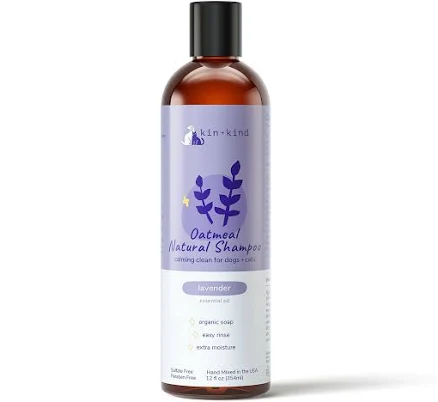
kin+kind Kin Organics Dog Shampoo
Lower PFAS concern for liquid shampoo; no known high-risk treatments, no explicit disclosure.
This rinse-off dog shampoo lacks Teflon-family coating coatings, waterproofing, or stain resistance typical of PFAS risk. The brand makes no PFAS-free claims or holds third-party certification.
We flunk more products than we pass. This one earned its grade. How we grade
Material
aqueous liquid shampoo base; no reported Teflon-family coating or water-repellent coating treatments
Brand disclosure
Brand is silent on PFAS
Lab data
No public lab test
You may also be interested in
Top-graded picks in the categories readers replace first, every one scored on the same rubric.

- polypropylene filter housing, carbon/sediment cartridge
- We found no PFAS statement from the brand
- Bacterial growth in spent cartridges
3 hazards checked on this product, all on its full breakdown.

Aquasure
Premier Series 75 GPD Under Sink Reverse Osmosis Water Filtration System
- RO membrane, carbon filters, stainless steel housing
- We found no PFAS statement from the brand
- Bacterial and microbial growth in housing and filters
4 hazards checked on this product, all on its full breakdown.

Avocado
Vegan Mattress
- organic cotton, natural latex, coconut coir, recycled steel coils
- The brand calls it PFAS-free, which we have not verified
- Heavy metals
2 hazards checked on this product, all on its full breakdown.
What kin+kind Kin Organics Dog Shampoo is made of, ingredients and materials
Kin+Kind Organics Dog Shampoo is an aqueous liquid formulation, meaning it relies on water-soluble surfactants and plant-derived ingredients rather than synthetic polymers or fluorinated compounds. Liquid shampoos avoid the material hazards inherent to bar soaps or solid formulations (e.g., concentrated preservative irritation). The brand markets it as organic certified, which typically constrains synthetic dyes, formaldehyde-releasing preservatives, and heavy-metal pigments, though the specific certifier and standard matter.
What’s concerning
Category baseline
The starting point for this type of product, before anything specific to this product is counted.
No PFAS disclosure
No public statement from the brand about PFAS in this product.
Preservative system efficacy and microbial risk
Organic shampoos typically rely on gentler, plant-derived preservatives (e.g., rosemary extract, citric acid) rather than synthetic ones. While this reduces formaldehyde-releaser and 1,4-dioxane risk, it can result in lower antimicrobial efficacy and faster spoilage if storage conditions are poor. No specific recalls for bacterial or fungal contamination have been reported for this brand, but the
Fragrance allergens and sensitization
The product uses plant-derived fragrances; while these avoid synthetic fragrance allergens, essential oils and botanical extracts can still trigger contact dermatitis or allergic reactions in sensitive dogs or humans handling the product. The brand does not appear to disclose the specific fragrance composition or allergen warnings publicly. Dogs with existing skin conditions may be at higher risk.
1,4-dioxane (synthetic surfactant impurity)
1,4-dioxane is a common impurity in conventional shampoos derived from ethoxylated surfactants during manufacturing. Plant-derived surfactants in organic formulations reduce this risk substantially, but third-party testing data for this specific product is not publicly available. The organic claim provides indirect reassurance but not definitive proof of absence.
What’s reassuring
Base material not linked to PFAS
The main material recorded for this product is not one associated with PFAS.
Heavy metals
Liquid shampoos with organic positioning typically avoid synthetic azo dyes; however, mineral colorants or plant pigments used for visual appeal could theoretically carry trace heavy metals (lead, cadmium) if sourced from contaminated botanical material. No specific testing or recalls are on record for Kin+Kind products, and the risk is generally lower than conventional dye-based formulations.
Source, FDA ↗Formaldehyde / VOCs
The organic and natural positioning strongly suggests avoidance of formaldehyde-releasing compounds (e.g., DMDM hydantoin, imidazolidinyl urea). The brand does not advertise the use of these agents, and independent data does not flag their presence in this product line.
Source, ATSDR ↗How is this PFAS grade calculated?
The brand's record and disclosure
Kin+Kind presents itself as a natural pet-care brand with organic positioning, but public disclosure around specific ingredient sourcing, preservative systems, or third-party safety testing is limited. No major recalls or health incidents are on record for this product line. The brand makes no explicit PFAS statement, which is typical for smaller natural-focused brands but represents a transparency gap in an era of increasing consumer scrutiny around fluorinated compounds in personal care.
How it compares in its category
Pet shampoos occupy a lower-scrutiny regulatory space than human cosmetics in many markets; Kin+Kind's organic claim places it toward the lower-concern end of the pet-shampoo spectrum compared to conventional brands using synthetic fragrances, coal-tar dyes, or high-dose sulfate surfactants. However, it lacks third-party certifications (e.g., EWG, NSF) that some premium pet-care competitors provide. Aqueous liquid format is inherently lower-risk than solid bar formats for preservative overdose or irritant concentration.
If you buy it
Store in a cool, dry place away from direct sunlight to preserve organic components and minimize oxidation of plant extracts, which can degrade over time. Use as directed on the label and rinse thoroughly to avoid residue buildup on your dog's coat. Check the product expiration date and discard if discoloration, off-odors, or separation occurs, as preservative efficacy in organic formulations may decline faster than synthetic alternatives. Observe your pet for any signs of skin irritation over the first two weeks of use, particularly if transitioning from a conventional shampoo.
What is not known about PFAS in this product?
- Basis
- Model estimate, 72% confidence, not a lab result
- Lab test
- None on record for this exact product
- Brand statement
- Kin+Kind has made none
Formulations change between production runs, so check the current label. How we grade.
More shampoo grades
How we score, every product runs through the same public 0-100 rubric based on materials, coatings, brand disclosure, lab findings, and recalls. See the full methodology → Spotted a mistake? Report an error.