Kitchenaid · Parchment Paper & Baking Liners
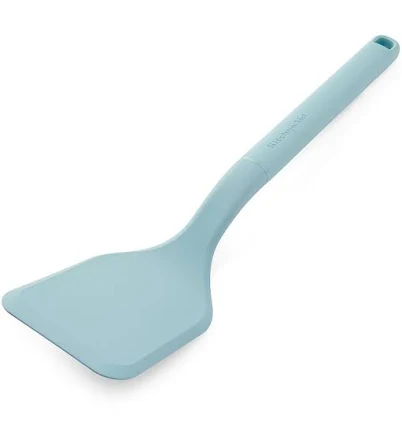
KitchenAid Oversized Solid Turner
Silicone with no coating described, and no PFAS statement from the brand.
The product information we reviewed describes silicone head, nylon handle, with no applied coating named. Silicone releases food on its own, so a non-stick claim on a silicone product describes the material rather than a coating. The brand has published no PFAS statement for it.
We flunk more products than we pass. This one earned its grade. How we grade
Material
Silicone head, nylon handle
Lab data
No public lab test
What KitchenAid Oversized Solid Turner is made of, ingredients and materials
The turner head is silicone, a synthetic polymer that does not leach BPA, phthalates, or other common plasticizers into food when used as designed. The handle is nylon, a thermoplastic polymer with low migration risk at normal cooking temperatures. Silicone kitchen utensils are inherently heat-stable and do not release volatile organic compounds at typical stovetop or oven use, unlike some rubbers or coated metals.
What’s concerning
Category baseline
The starting point for this type of product, before anything specific to this product is counted.
No PFAS disclosure
No public statement from the brand about PFAS in this product.
Nylon handle degradation and microplastic release
Nylon can shed microscopic fibers if abraded or heated repeatedly. Use with non-abrasive sponges and avoid sustained contact with very hot surfaces or open flame to minimize degradation risk.
What’s reassuring
Base material not linked to PFAS
The main material recorded for this product is not one associated with PFAS.
Silicone leaching
Food-grade silicone used in KitchenAid utensils is not documented to leach oligomeric cyclic siloxanes (D4, D5) into food at normal cooking temperatures. No recalls or regulatory findings on this product.
BPA & bisphenols
Silicone does not contain BPA or phthalates as primary components. Food-contact silicone in commercial kitchenware must meet FDA compliance; no alerts are on record for this brand.
Source, FDA ↗Heavy metals
KitchenAid does not disclose specific colorant chemistry for this turner. Silicone colorants are typically organic or iron oxide-based in food utensils. No testing or recalls suggest contamination.
Source, FDA ↗Heat-related fume or off-gassing
Silicone and nylon are both stable at typical stovetop heat. No volatile organic compounds or harmful fumes are documented when this product is used below 600 degrees Fahrenheit.
The full breakdown
The brand's record and disclosure
KitchenAid has not published a formal PFAS statement for this product category. The company maintains general product safety compliance with FDA and CPSIA standards but does not routinely disclose detailed chemical composition for utensil lines. No recalls, regulatory actions, or third-party safety alerts are on record for this specific model.
How it compares in its category
Silicone turners are a preferred alternative to metal-with-coating or wood-with-finish designs because they avoid concerns about metal leaching (aluminum, nickel) and finish degradation over time. Compared to rubber or plastic turners, silicone is more heat-stable and chemically inert. Nylon handles are standard in this category and pose minimal risk if kept away from direct flame.
If you buy it
Use at or below 600 degrees Fahrenheit; silicone remains stable well above typical cooking temperatures but should not be exposed to sustained high heat (broiler proximity). Wash by hand or on dishwasher racks away from extreme heat; avoid prolonged soaking in strongly acidic or alkaline solutions, which can gradually swell silicone over years. Replace if the silicone tears, discolors unevenly, or becomes tacky, which signals aging. Store in a cool, dry place; direct UV exposure or heat storage (drawer directly above stove) will degrade nylon over time.
What we don’t know
- Basis
- Model estimate, 42% confidence, not a lab result
- Lab test
- None on record for this exact product
- Brand statement
- Kitchenaid has made a specific claim
Formulations change between production runs, so check the current label. How we grade.
Better-graded alternatives in Parchment Paper & Baking Liners
If You Care
Baking Paper, Parchment, 70 Square Feet
- silicone-coated parchment paper
- The brand calls it PFAS-free, which we have not verified
- Paper degradation and particulate shedding
If You Care
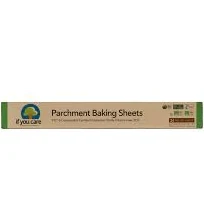
Parchment Baking Sheets
- unbleached paper with silicone coating
- The brand calls it PFAS-free, which we have not verified
- Silicone coating degradation at high heat
If You Care
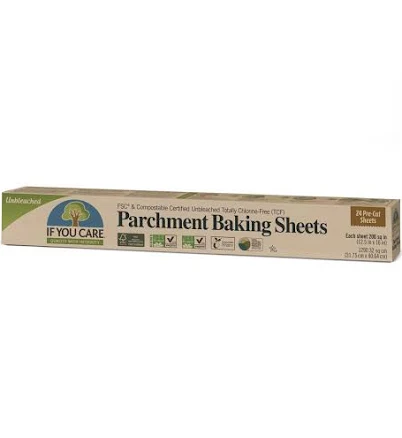
Parchment Baking Sheets
- bleached paper with silicone coating
- The brand calls it PFAS-free, which we have not verified
- Paper degradation and fragmentation
More parchment paper & baking liners grades
How we score, every product runs through the same public 0-100 rubric based on materials, coatings, brand disclosure, lab findings, and recalls. See the full methodology → Spotted a mistake? Report an error.