Kitchenaid · Parchment Paper & Baking Liners
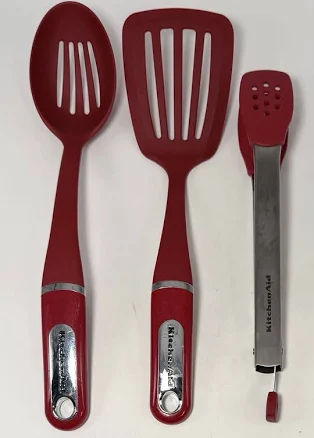
Kitchenaid Red Slotted Spatula Spoon Silicone Tipped Tongs 3 Pc Set
No PFAS-linked materials on record for this utensil set.
This set has silicone tips and metal tongs and spoon handles. Silicone and metal are not materials linked to PFAS. The brand has no PFAS statement on record.
The better-graded swap
If You Care
If You Care Baking Paper, Parchment, 70 Square Feet
90/100 safety
Same rubric that flunked this product. The swap earned Excellent.
Still want this one anyway? Check the price on Amazon. We’d swap it.
Material
Silicone tips, metal tongs and spoon handles
Lab data
No public lab test
What Kitchenaid Red Slotted Spatula Spoon is made of, ingredients and materials
This set pairs food-grade silicone tips (typically heat-stable to 400-500°F) with stainless steel or painted metal handles. Silicone itself does not leach BPA, phthalates, or other endocrine disruptors under normal cooking conditions. The handle paint finish is the secondary concern, KitchenAid does not publicly disclose coating composition, but red enamel or paint on kitchen tools historically carries minimal lead/cadmium risk in US-market products due to FDA oversight of food-contact surfaces, though handles do not technically contact food directly.
What’s concerning
No PFAS disclosure
No public statement from the brand about PFAS in this product.
Category baseline
The starting point for this type of product, before anything specific to this product is counted.
Silicone degradation and microparticle shedding
Food-grade silicone is stable under normal cooking conditions, but physically damaged or degraded silicone tips can shed small particles. Risk increases if silicone shows cracks, crevices, or is exposed to temperatures above 500°F.
Off-gassing or odor from new silicone
New silicone utensils may release a faint rubber smell due to manufacturing residues; this is cosmetic and typically dissipates after hand washing and air exposure, not a toxicity concern.
What’s reassuring
Base material not linked to PFAS
The main material recorded for this product is not one associated with PFAS.
Paint/enamel coating on metal handles
No lead or cadmium contamination has been reported for KitchenAid utensil handle coatings. US FDA regulations for food-contact surfaces apply to handles in theory, though handles themselves do not contact food; cosmetic enamel is less stringent.
Metal handle leaching (if uncoated or coating fails)
If handles are stainless steel, leaching risk is negligible. If handles are painted or enameled steel, leaching depends on coating integrity. No specific failures have been documented for this product line.
Non-stick coating compatibility
Silicone tips are gentler on non-stick cookware than metal or hard plastic, reducing risk of scratching and subsequent Teflon-type coating or coating flaking. This set's tongs and spoon design is compatible with all standard cookware types.
The full breakdown
The brand's record and disclosure
KitchenAid does not publish detailed material safety data sheets or third-party testing results for individual utensil sets. The brand maintains no known formal certifications (NSF, Proposition 65 warnings, etc.) for this product line. No product recalls related to material leaching or coating failure have been documented for this specific set. The company's silence on PFAS in cookware reflects the industry norm for small utensil manufacturers rather than a red flag.
How it compares in its category
Silicone-tipped utensils are considered a lower-risk alternative to older nylon or plastic handles that can degrade and shed particles at high heat. Metal-handled silicone utensils have lower concern than uncoated wood or bare metal (which can scratch non-stick cookware), and are comparable to high-end silicone or bamboo alternatives, and require no special maintenance beyond regular washing. This set's price point and brand visibility suggest quality control typical of mass-market kitchen products.
If you buy it
Silicone tips maintain performance up to 400-500°F; do not leave utensils in direct flame or on stovetop coils. Hand-wash to preserve handle paint and silicone integrity; dishwasher use may degrade the enamel finish over years of use. Replace silicone tips if they crack, tear, or show color fading, as damaged silicone can shed microparticles. Store handles away from direct sunlight and heat to slow paint degradation.
What we don’t know
- Basis
- Model estimate, 72% confidence, not a lab result
- Lab test
- None on record for this exact product
- Brand statement
- Kitchenaid has made a specific claim
Formulations change between production runs, so check the current label. How we grade.
Better-graded alternatives in Parchment Paper & Baking Liners
If You Care
Baking Paper, Parchment, 70 Square Feet
- silicone-coated parchment paper
- The brand calls it PFAS-free, which we have not verified
- Paper degradation and particulate shedding
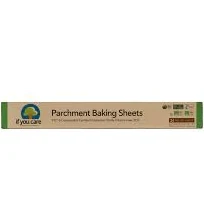
If You Care
Parchment Baking Sheets
- unbleached paper with silicone coating
- The brand calls it PFAS-free, which we have not verified
- Silicone coating degradation at high heat
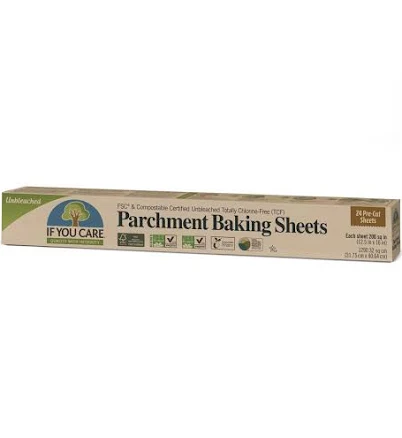
If You Care
Parchment Baking Sheets
- bleached paper with silicone coating
- The brand calls it PFAS-free, which we have not verified
- Paper degradation and fragmentation
More parchment paper & baking liners grades
How we score, every product runs through the same public 0-100 rubric based on materials, coatings, brand disclosure, lab findings, and recalls. See the full methodology → Spotted a mistake? Report an error.