Kitchenaid · Parchment Paper & Baking Liners
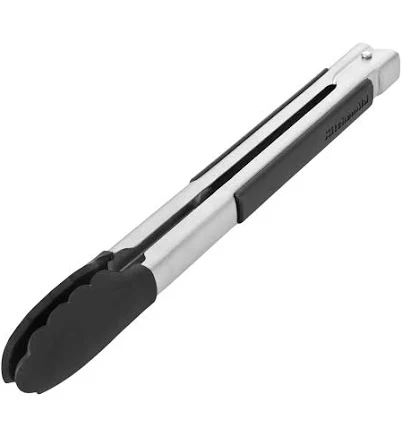
KitchenAid Side Locking Tongs
Silicone with no coating described, and no PFAS statement from the brand.
The product information we reviewed describes stainless steel handle, plastic and silicone grips, with no applied coating named. Silicone releases food on its own, so a non-stick claim on a silicone product describes the material rather than a coating. The brand has published no PFAS statement for it.
We flunk more products than we pass. This one earned its grade. How we grade
Material
Stainless steel handle, plastic and silicone grips
Lab data
No public lab test
What KitchenAid Side Locking Tongs is made of, ingredients and materials
KitchenAid Side Locking Tongs combine a stainless steel handle with plastic and silicone grip components. Stainless steel is inert and does not leach into food. Silicone grips, when unfilled and uncoated, are thermally stable to typical cooking temperatures (around 400-500°F depending on grade) and do not off-gas volatile compounds under normal kitchen use. The plastic components (likely ABS or polypropylene in the locking mechanism) are non-food-contact structural elements, reducing exposure risk.
What’s concerning
No PFAS disclosure
No public statement from the brand about PFAS in this product.
Category baseline
The starting point for this type of product, before anything specific to this product is counted.
Silicone grip degradation over time
Silicone grips can lose elasticity, peel, or fragment with age and repeated dishwashing cycles. No manufacturer durability specification is publicly available for this product.
Loose components or manufacturing defects
Locking mechanisms on tongs can fail or loosen with wear. No specific recall history is on record, but inspection for proper assembly at purchase is advised.
Thermal stability of grip materials at high heat
If silicone grade is lower-quality, temperatures above 450°F may cause thermal breakdown or odor. KitchenAid does not specify silicone durometer or maximum temperature rating.
What’s reassuring
Base material not linked to PFAS
The main material recorded for this product is not one associated with PFAS.
Plastic locking mechanism leaching
The plastic side-lock mechanism is not a food-contact surface. No documented leaching issues from ABS or polypropylene in non-heated, non-contact applications.
Stainless steel corrosion or off-flavoring
Stainless steel is chemically inert in kitchen use. Corrosion risk is minimal unless exposed to prolonged salt water without drying, which is not typical for tongs.
The full breakdown
The brand's record and disclosure
KitchenAid has not published a public PFAS disclosure statement for this product line. The brand has no documented major food-contact safety recalls or formal certifications (such as FDA clearance) specific to tongs. KitchenAid is owned by Whirlpool Corporation, a major appliance manufacturer with standard third-party safety testing but no distinguished PFAS transparency initiatives relative to peers.
How it compares in its category
Tongs are a utensil category with low inherent hazard relative to cookware or food storage. Stainless steel tongs have no hazard of this kind on record; silicone grips show lower thermal degradation concern than rubber or melamine handles. KitchenAid's offering is typical for a mid-market brand; it avoids nonstick coatings (which carry Teflon-type coating risk) and uses durable, food-contact-safe elastomers.
If you buy it
Inspect silicone grips for cracks or separation before first use; damaged silicone should not be used as small fragments could enter food. Keep tongs away from direct flame or temperatures above 500°F, as excessive heat can degrade silicone. Hand wash rather than dishwasher if possible to extend grip life and avoid thermal shock. Replace tongs if grip material shows peeling, discoloration, or odor changes.
What we don’t know
- Basis
- Model estimate, 35% confidence, not a lab result
- Lab test
- None on record for this exact product
- Brand statement
- Kitchenaid has made a specific claim
Formulations change between production runs, so check the current label. How we grade.
Better-graded alternatives in Parchment Paper & Baking Liners
If You Care
Baking Paper, Parchment, 70 Square Feet
- silicone-coated parchment paper
- The brand calls it PFAS-free, which we have not verified
- Paper degradation and particulate shedding
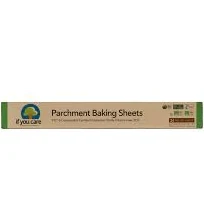
If You Care
Parchment Baking Sheets
- unbleached paper with silicone coating
- The brand calls it PFAS-free, which we have not verified
- Silicone coating degradation at high heat
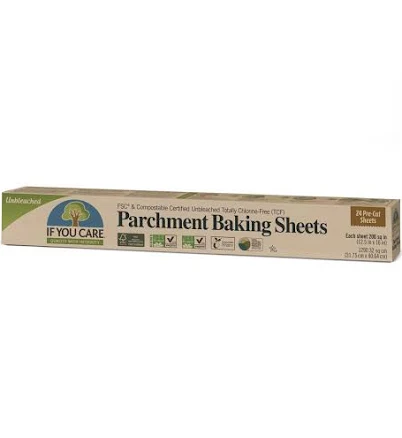
If You Care
Parchment Baking Sheets
- bleached paper with silicone coating
- The brand calls it PFAS-free, which we have not verified
- Paper degradation and fragmentation
More parchment paper & baking liners grades
How we score, every product runs through the same public 0-100 rubric based on materials, coatings, brand disclosure, lab findings, and recalls. See the full methodology → Spotted a mistake? Report an error.