Kitchenaid · Parchment Paper & Baking Liners
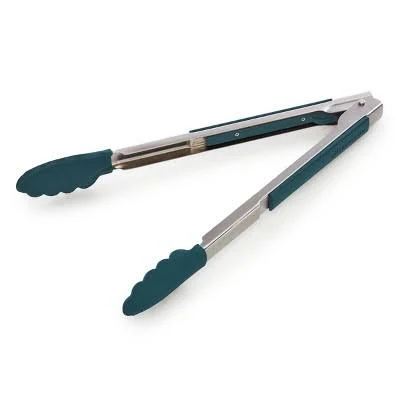
KitchenAid Silicone Side Lock Tongs
Lower PFAS concern. Silicone utensils rarely contain PFAS.
KitchenAid silicone tongs are made from food-grade silicone, a material naturally lower in PFAS risk than nonstick coatings. No PFAS claims or certifications are available from the brand.
The better-graded swap
If You Care
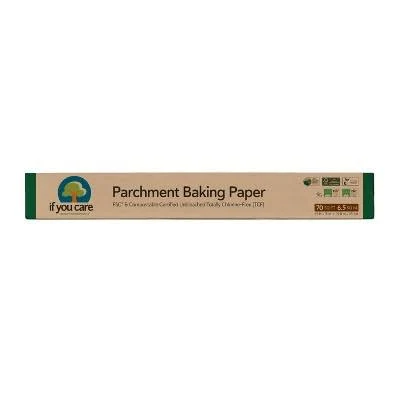
If You Care Parchment Baking Paper
90/100 safety
Same rubric that flunked this product. The swap earned Excellent.
Still want this one anyway? Check the price on Amazon. We’d swap it.
Material
silicone heads, stainless steel handles
Lab data
No public lab test
What KitchenAid Silicone Side Lock Tongs is made of, ingredients and materials
KitchenAid Side Lock Tongs feature silicone heads bonded to stainless steel handles. Food-grade silicone is chemically inert across typical cooking temperatures (up to 400-600°F depending on formulation) and does not leach into food under normal use. Stainless steel handles resist corrosion and do not degrade in ways that would release heavy metals. The combination avoids the coating-degradation and leaching risks present in non-stick cookware or ceramic-coated utensils.
What’s concerning
No PFAS disclosure
No public statement from the brand about PFAS in this product.
Category baseline
The starting point for this type of product, before anything specific to this product is counted.
Stainless steel leaching (nickel, chromium)
Stainless steel handles can release trace nickel under acidic conditions or prolonged contact with salt. Risk is minimal with tongs (brief contact, rinsed quickly) but individuals with nickel sensitivity should be aware. This is a general stainless steel property, not specific to KitchenAid manufacturing.
Bond failure between silicone and handle
If the adhesive or mechanical lock between silicone head and stainless handle degrades, small silicone pieces could theoretically detach into food. KitchenAid's Side Lock design is intended to prevent this, but long-term durability data from independent testing is not publicly available. Inspect regularly for separation.
Bacterial growth in silicone crevices
The grioved or textured surface of silicone tongs can trap food debris if not cleaned thoroughly. This is a hygiene issue rather than a chemical hazard, but regular washing and inspection are necessary.
What’s reassuring
Base material not linked to PFAS
The main material recorded for this product is not one associated with PFAS.
Silicone thermal stability and degradation
Food-grade silicone used by mainstream brands like KitchenAid is formulated to remain stable well above typical cooking temperatures. No documented cases of off-gassing or leaching from silicone utensil heads at normal use.
Heavy metals
KitchenAid silicone tongs are typically black or neutral colors. No recalls or testing reports indicate lead, cadmium, or other heavy metals in the silicone formulation. Food-grade silicone regulations limit such contaminants, though KitchenAid does not independently verify this on product packaging.
Source, FDA ↗The full breakdown
The brand's record and disclosure
KitchenAid does not publicly disclose detailed material certifications or safety test results for utensils on their website. The brand has no documented recalls or safety controversies specific to silicone tongs. KitchenAid is owned by Whirlpool Corporation, a major appliance manufacturer with general compliance to FDA food-contact rules, but silicone utensils are not a category where KitchenAid has published third-party testing or certifications beyond basic regulatory compliance.
How it compares in its category
Silicone-headed tongs present lower concern than metal tongs coated with non-stick resin, which carry a Teflon-type coating fume risk, and than some specialty tongs with ceramic glaze, which may present lead/cadmium concerns. Most competing brands (OXO, Calphalon, generic silicone) use similar stainless-plus-silicone designs with equivalent safety profiles. KitchenAid's Side Lock mechanism is a convenience feature but does not affect material safety.
If you buy it
Use silicone tongs only up to their rated temperature (typically 400-500°F; check packaging). Inspect the silicone bond to the handle for cracks or separation before each use; if silicone peels away, discard. Wash by hand rather than in the dishwasher if possible to extend silicone life. Silicone does not degrade significantly over time under normal kitchen use, so replacement is driven by mechanical wear, not chemical degradation.
What we don’t know
- Basis
- Model estimate, 72% confidence, not a lab result
- Lab test
- None on record for this exact product
- Brand statement
- Kitchenaid has made a specific claim
Formulations change between production runs, so check the current label. How we grade.
Better-graded alternatives in Parchment Paper & Baking Liners
If You Care
Baking Paper, Parchment, 70 Square Feet
- silicone-coated parchment paper
- The brand calls it PFAS-free, which we have not verified
- Paper degradation and particulate shedding
If You Care
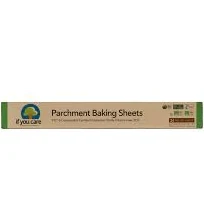
Parchment Baking Sheets
- unbleached paper with silicone coating
- The brand calls it PFAS-free, which we have not verified
- Silicone coating degradation at high heat
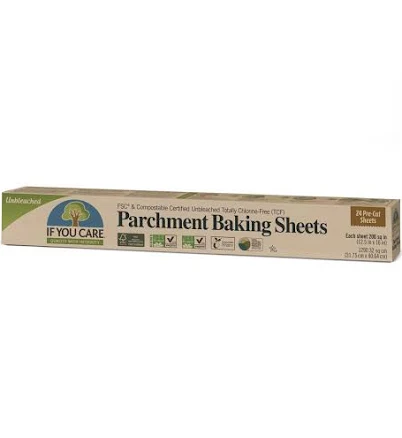
If You Care
Parchment Baking Sheets
- bleached paper with silicone coating
- The brand calls it PFAS-free, which we have not verified
- Paper degradation and fragmentation
More parchment paper & baking liners grades
How we score, every product runs through the same public 0-100 rubric based on materials, coatings, brand disclosure, lab findings, and recalls. See the full methodology → Spotted a mistake? Report an error.