Kitchenaid · Parchment Paper & Baking Liners
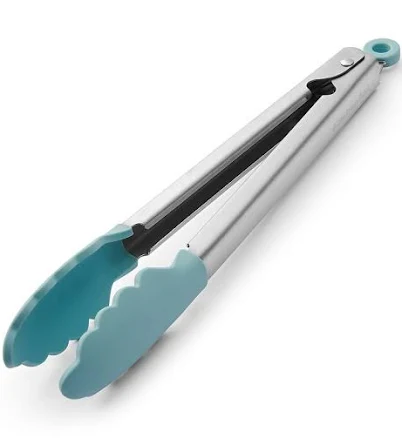
KitchenAid Silicone Stainless Steel Tongs
Lower concern. Silicone and stainless steel are not materials linked to PFAS.
These tongs are made of silicone and stainless steel. No nonstick coating or water-repellent finish is on record. The brand has no PFAS statement on record.
The better-graded swap
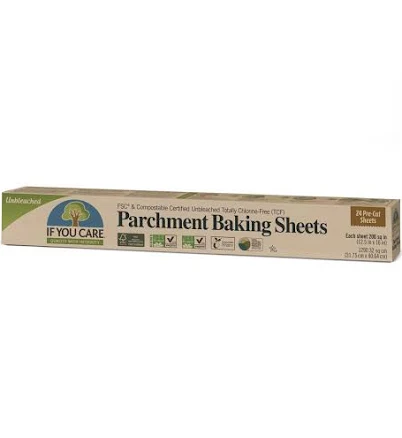
If You Care
If You Care Parchment Baking Sheets
90/100 safety
Same rubric that flunked this product. The swap earned Excellent.
Still want this one anyway? Check the price on Amazon. We’d swap it.
Material
Silicone and stainless steel
Lab data
No public lab test
What KitchenAid Silicone Stainless Steel Tongs is made of, ingredients and materials
KitchenAid silicone stainless steel tongs combine food-grade silicone heads with a stainless steel shaft. Silicone is a synthetic polymer with no identified leaching of BPA, phthalates, or heavy metals under normal cooking conditions. Stainless steel (typically 18/10 chromium-nickel alloy in kitchen tools) does not leach at the temperatures and pH levels encountered in food contact. Both materials are non-porous and resist degradation from oils, acids, and heat up to silicone's typical limit of 400-450 degrees Fahrenheit.
What’s concerning
No PFAS disclosure
No public statement from the brand about PFAS in this product.
Category baseline
The starting point for this type of product, before anything specific to this product is counted.
Silicone degradation from heat
Silicone can begin to degrade, become sticky, or leach breakdown compounds if repeatedly exposed to temperatures above 450 degrees Fahrenheit. Normal stovetop cooking at 350-400 degrees carries minimal risk.
Bacterial growth in joints
If the silicone head is not fully dried after washing, moisture can accumulate where silicone meets stainless steel. Proper drying and storage prevent this; it is a usage issue, not a material defect.
Coating or grip degradation over time
After years of frequent use and washing, silicone can gradually lose grip or become less flexible. This is cosmetic and functional wear, not a chemical hazard, and does not render the tool unsafe.
What’s reassuring
Base material not linked to PFAS
The main material recorded for this product is not one associated with PFAS.
Stainless steel corrosion and leaching
Food-grade stainless steel in kitchen utensils does not leach chromium or nickel under normal cooking conditions. No documented recalls or contamination reports exist for KitchenAid stainless utensils.
The full breakdown
The brand's record and disclosure
KitchenAid does not publicly disclose material safety certifications or third-party testing results for this specific product on their website. The brand has not announced any controversies related to silicone cookware or utensils. As a Whirlpool-owned brand, KitchenAid maintains general product liability and compliance with FDA food-contact material regulations, but transparency around hazard testing remains minimal.
How it compares in its category
Silicone-head tongs have lower concern regarding metal-on-nonstick interactions that can damage Teflon-type coating coatings and avoid wooden handles that may harbor bacteria if not dried promptly. Compared to plastic-handled utensils, stainless steel shafts do not off-gas volatile compounds. They sit at the low-risk end of the kitchen utensil spectrum.
If you buy it
Wash by hand in warm soapy water and dry immediately to prevent mineral deposits on stainless steel. Do not expose the silicone head to sustained temperatures above 400 degrees Fahrenheit or prolonged direct flame, as silicone can degrade and become sticky if overheated. Replace if the silicone becomes discolored, cracked, or tacky. These tongs require no special maintenance beyond normal cleaning.
What we don’t know
- Basis
- Model estimate, 82% confidence, not a lab result
- Lab test
- None on record for this exact product
- Brand statement
- Kitchenaid has made a specific claim
Formulations change between production runs, so check the current label. How we grade.
Better-graded alternatives in Parchment Paper & Baking Liners
If You Care
Baking Paper, Parchment, 70 Square Feet
- silicone-coated parchment paper
- The brand calls it PFAS-free, which we have not verified
- Paper degradation and particulate shedding
If You Care
Parchment Baking Sheets
- unbleached paper with silicone coating
- The brand calls it PFAS-free, which we have not verified
- Silicone coating degradation at high heat
If You Care
Parchment Baking Sheets
- bleached paper with silicone coating
- The brand calls it PFAS-free, which we have not verified
- Paper degradation and fragmentation
More parchment paper & baking liners grades
How we score, every product runs through the same public 0-100 rubric based on materials, coatings, brand disclosure, lab findings, and recalls. See the full methodology → Spotted a mistake? Report an error.