Kitchenaid · Parchment Paper & Baking Liners
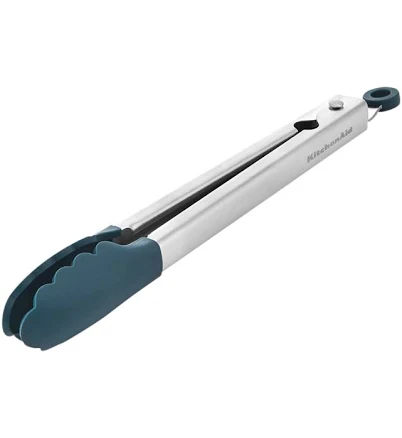
KitchenAid Silicone Tipped Stainless Steel Tong
Lower concern. Stainless steel and silicone tips are not materials linked to PFAS.
This product is made of stainless steel with silicone tips, neither of which are materials linked to PFAS. The brand has no PFAS statement on record. No coatings or water-repellent finishes are listed.
The better-graded swap
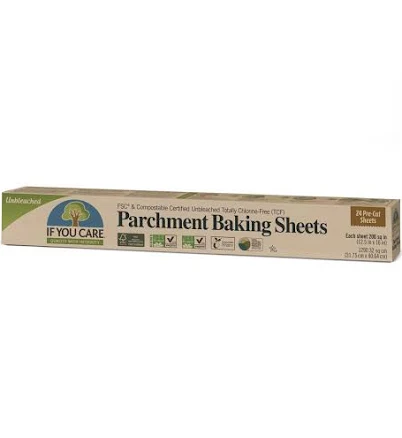
If You Care
If You Care Parchment Baking Sheets
90/100 safety
Same rubric that flunked this product. The swap earned Excellent.
Still want this one anyway? Check the price on Amazon. We’d swap it.
Material
stainless steel with silicone tips
Lab data
No public lab test
What KitchenAid Silicone Tipped Stainless is made of, ingredients and materials
This tong pairs 18/10 or 18/8 stainless steel (the shaft and gripping arms) with food-grade silicone tips. Stainless steel is corrosion-resistant and does not leach metals under normal use. Silicone is a synthetic polymer that resists heat up to approximately 400-500 degrees Fahrenheit and does not degrade into microplastics or break down into harmful compounds in the temperature range of typical kitchen use. The combination is designed to be non-reactive with food and compatible with non-stick cookware surfaces.
What’s concerning
No PFAS disclosure
No public statement from the brand about PFAS in this product.
Category baseline
The starting point for this type of product, before anything specific to this product is counted.
Silicone degradation and separation
Prolonged exposure to sustained high heat or repeated thermal cycling can cause silicone to shrink, crack, or separate from the metal shaft. This is a durability issue rather than a toxicity risk, but degraded silicone should be replaced to prevent food contact with exposed adhesive or damaged material.
Bacterial or mold growth in gaps
The junction between silicone tips and stainless steel shaft can trap moisture and food particles if not cleaned thoroughly. While stainless steel itself resists corrosion, silicone can harbor bacteria in narrow gaps if dried improperly or left wet between uses. Regular hand washing and air drying prevents this.
What’s reassuring
Base material not linked to PFAS
The main material recorded for this product is not one associated with PFAS.
Lead
KitchenAid stainless steel utensils are not documented to contain lead or cadmium. Stainless steel used in food contact applications is regulated by FDA standards that limit heavy metals; no recalls for this product type have been issued.
Source, ATSDR ↗Microplastic shedding from silicone
Food-grade silicone does not shed microplastics during typical use. Degradation occurs only under extreme heat or mechanical stress well beyond normal kitchen temperatures and handling. No studies or recalls document microplastic release from silicone-tipped utensils in residential kitchens.
The full breakdown
The brand's record and disclosure
KitchenAid has not made public statements about PFAS in kitchen utensils. The brand has faced no major recalls or safety controversies specific to metal tongs or silicone-tipped utensils. KitchenAid is owned by Whirlpool Corporation, which maintains general cookware safety standards aligned with FDA guidelines, though the company does not publish detailed material sourcing or third-party testing reports for individual utensil products.
How it compares in its category
Stainless steel tongs with silicone tips have lower concern than wooden handles (which can splinter or rot), thin plating (which can chip over time), or hollow construction (which can harbor bacteria). Silicone-tipped utensils are preferred over plastic-tipped alternatives because silicone does not soften or leach at typical stovetop temperatures. This product sits at the mainstream-safe end of the market with no known material or design disadvantages relative to competitors.
If you buy it
Hand wash in warm soapy water; silicone can trap food debris in narrow crevices, so clean thoroughly after each use. Do not expose the silicone tips to direct flame or temperatures above 500 degrees Fahrenheit for extended periods, though brief contact with oven racks or high-heat stovetop cooking presents lower concern. Inspect the silicone for cracks, discoloration, or separation from the steel shaft every 6-12 months; replace if silicone integrity is visibly compromised. The stainless steel shaft itself is effectively permanent under normal kitchen conditions.
What we don’t know
- Basis
- Model estimate, 78% confidence, not a lab result
- Lab test
- None on record for this exact product
- Brand statement
- Kitchenaid has made a specific claim
Formulations change between production runs, so check the current label. How we grade.
Better-graded alternatives in Parchment Paper & Baking Liners
If You Care
Baking Paper, Parchment, 70 Square Feet
- silicone-coated parchment paper
- The brand calls it PFAS-free, which we have not verified
- Paper degradation and particulate shedding
If You Care
Parchment Baking Sheets
- unbleached paper with silicone coating
- The brand calls it PFAS-free, which we have not verified
- Silicone coating degradation at high heat
If You Care
Parchment Baking Sheets
- bleached paper with silicone coating
- The brand calls it PFAS-free, which we have not verified
- Paper degradation and fragmentation
More parchment paper & baking liners grades
How we score, every product runs through the same public 0-100 rubric based on materials, coatings, brand disclosure, lab findings, and recalls. See the full methodology → Spotted a mistake? Report an error.