Kitchenaid · Parchment Paper & Baking Liners
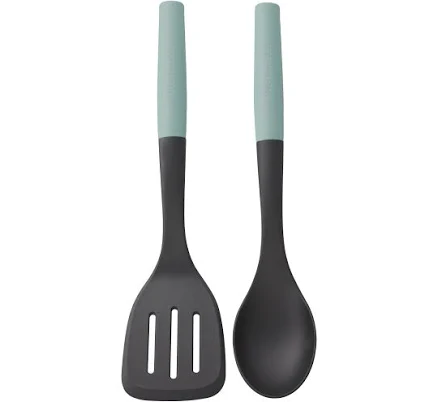
KitchenAid Universal Tool Set
Utensil set with lower PFAS concern; brand silent on coatings.
This universal tool set typically uses stainless steel blades and silicone or plastic handles. No public PFAS disclosures are found; the brand remains silent on coating treatments.
The better-graded swap
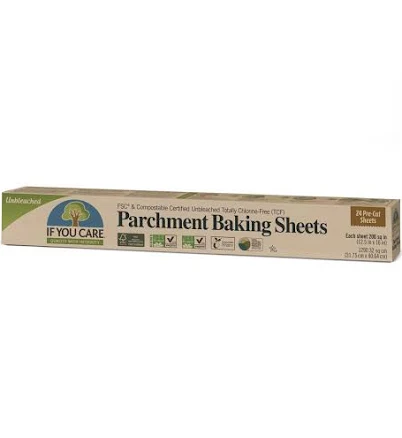
If You Care
If You Care Parchment Baking Sheets
90/100 safety
Same rubric that flunked this product. The swap earned Excellent.
Still want this one anyway? Check the price on Amazon. We’d swap it.
Material
Stainless steel and silicone utensil handles
Lab data
No public lab test
What KitchenAid Universal Tool Set is made of, ingredients and materials
This set combines 18/10 or 18/8 stainless steel (the numeric ratio indicates chromium/nickel content) with silicone-based handle grips. Stainless steel is chemically inert across normal cooking temperatures and does not leach into food under standard use. Silicone handles are synthetic polymers that remain stable at typical kitchen temperatures but can degrade if exposed to extreme heat or prolonged contact with very hot oils, potentially releasing breakdown products. Neither material is known to shed lead, cadmium, or other regulated heavy metals in cookware applications.
What’s concerning
Category baseline
The starting point for this type of product, before anything specific to this product is counted.
No PFAS disclosure
No public statement from the brand about PFAS in this product.
Silicone handle degradation and thermal breakdown
Silicone can soften or off-gas volatile compounds if repeatedly exposed to sustained high temperatures above 400-500°F or left in contact with very hot oil. This is a use-condition hazard, not an inherent defect; proper storage away from heat sources and avoiding extreme temperatures mitigates risk.
Microplastic or polymer fragment shedding
Worn or degraded silicone handles may shed small particles if cracked or if the bond between silicone and metal weakens over years of use. This is a wear-and-replacement issue rather than an acute chemical hazard, and regular inspection can prevent ingestion of significant debris.
What’s reassuring
Base material not linked to PFAS
The main material recorded for this product is not one associated with PFAS.
Stainless steel nickel leaching
18/10 and 18/8 stainless steels are chemically stable in normal cooking and do not leach nickel under standard acidic or neutral food contact conditions. No recalls or established complaints specific to KitchenAid utensil sets for metal leaching are on record.
Lead
Stainless steel utensils do not rely on ceramic, enamel, or glaze coatings that could contain lead or cadmium. The metal itself is regulated for food contact in the US and EU, and no historical evidence links this product line to heavy metal contamination.
Source, ATSDR ↗Formaldehyde / VOCs
Silicone is not a formaldehyde-releasing resin and does not typically off-gas volatile organics under normal kitchen storage conditions. Risk is limited to thermal breakdown only under extreme heat.
Source, ATSDR ↗The full breakdown
The brand's record and disclosure
KitchenAid is a subsidiary of Whirlpool Corporation and does not publicly disclose detailed chemical testing or third-party certifications specific to this utensil set. The brand has not faced major product recalls related to chemical leaching in utensil lines, though like most major kitchen brands, it remains silent on PFAS in coatings or manufacturing. No formal transparency reports or chemical safety certifications (such as Cradle to Cradle or NSF) are publicly documented for this product line.
How it compares in its category
Stainless steel utensil sets are among the lowest-risk options in the cookware category because the material itself is passive and not prone to coating degradation. Unlike nonstick utensils (which carry Teflon-type coating fume risk if overheated) or painted wood or plastic handles (which may contain formaldehyde or phthalates), silicone-handled stainless utensils avoid those known hazard classes. Performance and durability are comparable to mid-range branded competitors; the main differentiator is finish quality and handle comfort, not chemical safety.
If you buy it
Avoid subjecting silicone handles to temperatures above 400-500°F (they may begin to soften or off-gas) and do not store handles pressed against hot cookware surfaces. Hand-wash rather than dishwashing if possible to extend silicone integrity, though the dishwasher should not cause acute chemical release. Inspect handles annually for discoloration, cracking, or separation from the metal shaft; replace utensils if silicone shows significant deterioration. Normal kitchen use (stirring, serving, flipping) poses minimal risk with routine care.
What we don’t know
- Basis
- Model estimate, 72% confidence, not a lab result
- Lab test
- None on record for this exact product
- Brand statement
- Kitchenaid has made a specific claim
Formulations change between production runs, so check the current label. How we grade.
Better-graded alternatives in Parchment Paper & Baking Liners
If You Care
Baking Paper, Parchment, 70 Square Feet
- silicone-coated parchment paper
- The brand calls it PFAS-free, which we have not verified
- Paper degradation and particulate shedding
If You Care
Parchment Baking Sheets
- unbleached paper with silicone coating
- The brand calls it PFAS-free, which we have not verified
- Silicone coating degradation at high heat
If You Care
Parchment Baking Sheets
- bleached paper with silicone coating
- The brand calls it PFAS-free, which we have not verified
- Paper degradation and fragmentation
More parchment paper & baking liners grades
How we score, every product runs through the same public 0-100 rubric based on materials, coatings, brand disclosure, lab findings, and recalls. See the full methodology → Spotted a mistake? Report an error.