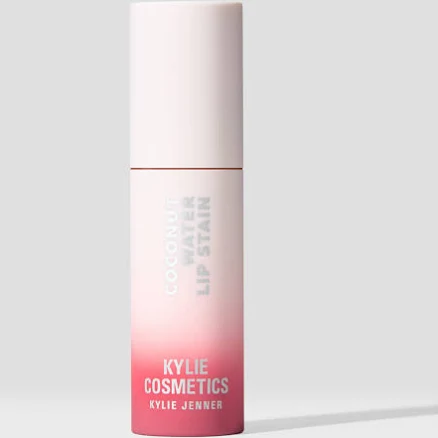
Kylie Cosmetics Coconut Water Lip Stain
Lower concern. Typical lip stain without water-resistant claims.
Kylie Cosmetics doesn't disclose PFAS content. Standard cosmetic pigments and oils pose lower PFAS risk than waterproof or long-wear formulas.
We flunk more products than we pass. This one earned its grade. How we grade
Material
pigments, oils, waxes in liquid/gel base
Brand disclosure
Brand is silent on PFAS
Lab data
No public lab test
You may also be interested in
Top-graded picks in the categories readers replace first, every one scored on the same rubric.

Aqua Pure
3M Aqua-Pure AP802B Whole House Filter Housing
- polypropylene filter housing, carbon/sediment cartridge
- We found no PFAS statement from the brand
- Bacterial growth in spent cartridges
3 hazards checked on this product. See all of them.

Aquasure
Premier Series 75 GPD Under Sink Reverse Osmosis Water Filtration System
- RO membrane, carbon filters, stainless steel housing
- We found no PFAS statement from the brand
- Bacterial and microbial growth in housing and filters
4 hazards checked on this product. See all of them.

Avocado
Vegan Mattress
- organic cotton, natural latex, coconut coir, recycled steel coils
- The brand calls it PFAS-free, which we have not verified
- Heavy metals
2 hazards checked on this product. See all of them.
What Kylie Cosmetics Coconut Water Lip Stain is made of, ingredients and materials
Kylie Cosmetics Coconut Water Lip Stain is a gel-based tint composed primarily of pigments, plant-derived oils, waxes, and a liquid carrier base. The coconut water component is a humectant (moisture-drawing ingredient) rather than a functional safety concern. Gel and liquid formulations carry lower microplastic risk than powder formats, though some cosmetic gels may contain synthetic polymers; the exact binder chemistry is not fully disclosed by the brand.
What’s concerning
Category baseline
The starting point for this type of product, before anything specific to this product is counted.
No PFAS disclosure
No public statement from the brand about PFAS in this product.
Heavy metals
Lip stains use synthetic or natural pigments; lead, cadmium, and chromium contamination is possible in poorly sourced colorants. Kylie Cosmetics does not publish heavy-metal testing data for this product, so risk cannot be ruled out but is consistent with industry baseline for mass-market brands.
Source, FDA ↗Fragrance allergens and undisclosed components
The product likely contains fragrance or flavoring agents (coconut scent); these can trigger contact dermatitis or sensitization in susceptible individuals. Fragrance components are often not individually listed on packaging, making identification of triggers difficult.
Formaldehyde / VOCs
Gel-based formulations require preservatives; some cosmetic preservatives (e.g., imidazolidinyl urea, dmdm hydantoin) slowly release trace formaldehyde. Kylie Cosmetics does not disclose its preservative system, so presence cannot be confirmed without independent testing.
Source, ATSDR ↗What’s reassuring
Base material not linked to PFAS
The main material recorded for this product is not one associated with PFAS.
1,4-dioxane contamination
No recalled or documented cases of 1,4-dioxane in Kylie Cosmetics lip products. However, 1,4-dioxane is a known byproduct of certain emulsifier manufacturing; it is not intentionally added. Testing data is not publicly available for this specific product.
Microplastics
Gel lip stains carry lower microplastic risk than powder formats. No evidence of intentional microplastic inclusion in Kylie Cosmetics lip stains, though some gels may use microbeads or synthetic polymers as texture agents; full ingredient transparency is lacking.
Source, EPA ↗The full breakdown
The brand's record and disclosure
Kylie Cosmetics does not publish detailed ingredient safety certifications or third-party testing summaries on its website. The brand has not faced major FDA recalls or documented heavy-metal contamination incidents for lip products. Kylie Cosmetics is owned by Coty Inc., which has faced general cosmetics industry scrutiny over PFAS in makeup, but no product-specific violations have been publicly documented for this line.
How it compares in its category
Lip stains are among the lower-risk cosmetic formats because they are applied to the lip surface and not absorbed systemically in meaningful amounts. This product sits in the mid-market segment; it lacks third-party certifications (like EWG verification or Cruelty-Free) that would differentiate it. Comparable mass-market lip stains from Maybelline, MAC, or Sephora own-brand products have similar hazard profiles and disclosure levels.
If you buy it
Use as directed and do not ingest. Lip stains are meant for external use only; ingestion of even small amounts is unlikely to cause acute harm but should be avoided. Store at room temperature away from direct heat or sunlight, as gel formulations can degrade or separate. Discontinue use if irritation, rash, or allergic reaction occurs; patch test on inner arm if you have sensitive skin or known cosmetic allergies.
What we don’t know
- Basis
- Model estimate, 72% confidence, not a lab result
- Lab test
- None on record for this exact product
- Brand statement
- Kylie Cosmetics has made none
Formulations change between production runs, so check the current label. How we grade.
More lipstick grades
How we score, every product runs through the same public 0-100 rubric based on materials, coatings, brand disclosure, lab findings, and recalls. See the full methodology → Spotted a mistake? Report an error.