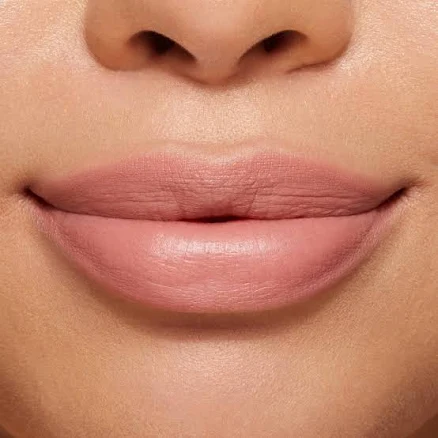
Kylie Cosmetics Matte Lipstick
Lower PFAS concern; cosmetic formulations rarely contain intentional PFAS.
Kylie Cosmetics doesn't disclose PFAS ingredients or testing. Matte lipsticks typically use waxes and pigments without fluorochemical additives.
We flunk more products than we pass. This one earned its grade. How we grade
Material
wax, pigments, oils, emollients
Brand disclosure
Brand is silent on PFAS
Lab data
No public lab test
You may also be interested in
Top-graded picks in the categories readers replace first, every one scored on the same rubric.

Aqua Pure
3M Aqua-Pure AP802B Whole House Filter Housing
- polypropylene filter housing, carbon/sediment cartridge
- We found no PFAS statement from the brand
- Bacterial growth in spent cartridges
3 hazards checked on this product. See all of them.

Aquasure
Premier Series 75 GPD Under Sink Reverse Osmosis Water Filtration System
- RO membrane, carbon filters, stainless steel housing
- We found no PFAS statement from the brand
- Bacterial and microbial growth in housing and filters
4 hazards checked on this product. See all of them.

Avocado
Vegan Mattress
- organic cotton, natural latex, coconut coir, recycled steel coils
- The brand calls it PFAS-free, which we have not verified
- Heavy metals
2 hazards checked on this product. See all of them.
What Kylie Cosmetics Matte Lipstick is made of, ingredients and materials
Kylie Cosmetics matte lipsticks are wax-based formulations (typically containing carnauba or synthetic waxes) blended with pigments, oils, and emollients for color and texture. Matte finishes rely on higher pigment loads and reduced oil content to achieve the flat appearance. The wax base is generally stable and non-volatile at skin temperature, meaning leaching of base materials into lips is minimal; the primary exposure pathway is ingestion through normal lip contact and eating.
What’s concerning
Category baseline
The starting point for this type of product, before anything specific to this product is counted.
No PFAS disclosure
No public statement from the brand about PFAS in this product.
Lead
Synthetic pigments in cosmetics are not routinely tested for heavy-metal contamination unless a brand voluntarily conducts assays. Kylie Cosmetics does not publish heavy-metal testing data, leaving potential contamination status unknown. FDA regulations do not mandate pre-market heavy-metal testing for lipsticks, only cosmetic colorant batch certification; trace metals can enter pigment supplies t
Source, ATSDR ↗Formaldehyde / VOCs
Wax-based lipsticks may use formaldehyde-releasers (e.g., DMDM hydantoin, imidazolidinyl urea) to prevent microbial growth. Kylie's published ingredient lists do not indicate these, but full ingredient transparency is not guaranteed at point of sale. If present at typical cosmetic levels, systemic exposure is low, but localized lip irritation is possible in sensitive individuals.
Source, ATSDR ↗Fragrance allergens and undisclosed fragrance components
Many Kylie matte lipsticks include 'fragrance' or 'parfum' as listed ingredients. Fragrance blends are trade-secret and not itemized; common allergens like linalool, limonene, and eugenol may be present without disclosure. Cumulative fragrance exposure through regular lipstick use can trigger contact dermatitis in sensitized individuals; patch testing is recommended for fragrance-sensitive consume
Azo dyes (synthetic colorants)
Synthetic azo dyes are permitted in lip cosmetics but require FD&C or D&C certification in the US. Kylie does not disclose whether certified azo dyes or non-azo alternatives (e.g., iron oxides, mica) dominate their pigment palette. Some individuals report sensitivity to azo dyes, though systemic toxicity from topical lip application is rare at approved concentrations.
What’s reassuring
Base material not linked to PFAS
The main material recorded for this product is not one associated with PFAS.
Microplastic particles in formulation
No public reports or recalls document microplastics in Kylie matte lipsticks. Wax-based formulations are less likely to contain microbeads than loose powders or scrubs, and matte texture is typically achieved through pigment load rather than synthetic polymers. However, ingredient opacity means micro-scale plastic additives cannot be ruled out without direct analysis.
The full breakdown
The brand's record and disclosure
Kylie Cosmetics does not publicly disclose detailed ingredient sourcing, heavy metal testing, or third-party safety certifications on their website. The brand has not faced major FDA recalls or public safety controversies specific to their lipstick lines. Ingredient lists are provided on packaging and online, allowing consumers to cross-reference against known allergens or sensitivities. The parent company (now under Coty Inc.) operates under standard cosmetic industry oversight but does not advertise enhanced safety testing or clean-beauty certifications.
How it compares in its category
Matte lipsticks across the category share similar wax and pigment architectures; Kylie's formula is mainstream rather than premium or ultra-clean-beauty positioned. Compared to luxury brands, Kylie offers less transparency; compared to indie or clean-beauty brands, it lacks third-party certifications or heavy-metal assay claims. The price point and formula simplicity place it in the middle of the market in terms of stated safety rigor, neither a red flag nor a leader.
If you buy it
Store at room temperature away from direct heat or sunlight to prevent wax softening or pigment degradation. Check the ingredient list against your known allergies before first use, especially if you have sensitivities to synthetic dyes or fragrance compounds. Replace every 12 months or sooner if you notice discoloration, hardening, or oil separation, which can indicate rancidity or contamination. Avoid applying to broken or irritated skin, as ingestion through normal wear is inevitable and repeated exposure to untested pigment blends warrants caution in sensitive individuals.
What we don’t know
- Basis
- Model estimate, 72% confidence, not a lab result
- Lab test
- None on record for this exact product
- Brand statement
- Kylie Cosmetics has made none
Formulations change between production runs, so check the current label. How we grade.
More lipstick grades
How we score, every product runs through the same public 0-100 rubric based on materials, coatings, brand disclosure, lab findings, and recalls. See the full methodology → Spotted a mistake? Report an error.