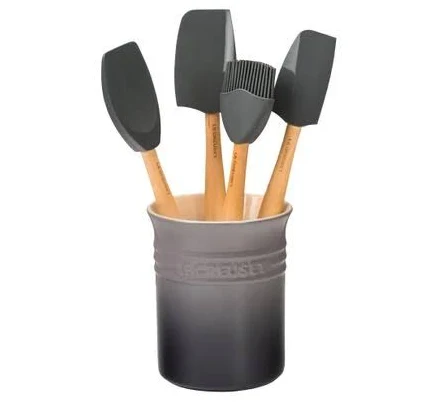
Le Creuset · Non-Stick Kitchen Gadgets
Craft Series Utensil Set, Is It Non-Toxic?
Utensils likely lower concern, silicone handles carry minimal PFAS risk.
Le Creuset Craft Series uses stainless steel with silicone handles and makes no PFAS claims. Material makeup suggests lower risk than nonstick cookware.
The better-graded swap
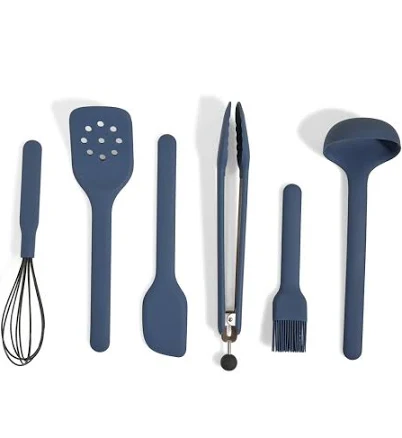
Our Place
Our Place Utensil Essentials Set
90/100 safety
Same rubric that flunked this product. The swap earned Excellent.
Still want this one anyway? Check the price on Amazon. We’d swap it.
Material
Stainless steel utensils with silicone handles
Lab data
No public lab test
You may also be interested in
Top-graded picks in the categories readers replace first, every one scored on the same rubric.

- polypropylene filter housing, carbon/sediment cartridge
- We found no PFAS statement from the brand
- Bacterial growth in spent cartridges
3 hazards checked on this product, all on its full breakdown.

Aquasure
Premier Series 75 GPD Under Sink Reverse Osmosis Water Filtration System
- RO membrane, carbon filters, stainless steel housing
- We found no PFAS statement from the brand
- Bacterial and microbial growth in housing and filters
4 hazards checked on this product, all on its full breakdown.

Avocado
Vegan Mattress
- organic cotton, natural latex, coconut coir, recycled steel coils
- The brand calls it PFAS-free, which we have not verified
- Heavy metals
2 hazards checked on this product, all on its full breakdown.
Is Craft Series Utensil Set non-toxic? What it is made of
This set consists of stainless steel utensil heads (likely 18/10 or 18/8 grade, common in Le Creuset cookware) bonded to silicone handles. Stainless steel does not leach metals under normal cooking conditions and is chemically inert. Silicone handles are food-grade polymers that resist degradation at typical stovetop temperatures (under 400F sustained use) and do not off-gas volatile compounds like some plastics do when heated.
What’s concerning
Category baseline
The starting point for this type of product, before anything specific to this product is counted.
No PFAS disclosure
No public statement from the brand about PFAS in this product.
Silicone handle degradation
Silicone handles can soften, discolor, or crack after years of use or if exposed to high heat. Degraded silicone may shed particles into food; replacement is straightforward and inexpensive.
Adhesive failure between handle and utensil head
Repeated washing, thermal cycling, and mechanical stress can weaken the bond over time. Loose handles create safety hazards (dropping utensils) and potential ingestion of adhesive fragments, though this is rare with quality brands.
Bacterial growth in handle crevices
The seam where silicone meets the stainless steel head can trap moisture and food debris if not dried thoroughly after washing. This is a hygiene rather than toxicity concern; proper drying eliminates risk.
What’s reassuring
Base material not linked to PFAS
The main material recorded for this product is not one associated with PFAS.
Stainless steel leaching
Food-grade stainless steel (18/10 or 18/8) does not leach nickel or chromium under normal cooking conditions, as the metal surface remains passivated. No published recalls or health warnings for Le Creuset stainless utensils on this issue.
Heavy metals
Food-grade silicone used by premium manufacturers typically does not contain heavy metal pigments or toxic additives. No documented contamination in Le Creuset silicone handles; this remains a theoretical concern only in unregulated or counterfeit silicone products.
Source, FDA ↗How is this PFAS grade calculated?
The brand's record and disclosure
Le Creuset is a heritage French cookware manufacturer with established quality standards and EU manufacturing oversight on most product lines, though this utensil set's origin should be confirmed on packaging. The brand has not made public PFAS commitments, reflecting industry-wide silence on this issue for kitchenware. No documented safety recalls or regulatory warnings for Le Creuset utensils in major databases; the brand's premium positioning typically correlates with stricter material sourcing than budget competitors.
How it compares in its category
Stainless steel utensils with silicone handles present lower concern than nonstick-coated utensils regarding coating degradation risks and lower concern than bare aluminum handles regarding potential metal leaching. This design is standard across premium brands (All-Clad, Zwilling, Victorinox) and poses fewer hazards than wood-handled utensils (which can harbor bacteria if not dried quickly) or plastic handles prone to warping. Le Creuset's version sits in the mid-to-premium price tier with expected durability.
If you buy it
Hand-wash rather than dishwasher to extend silicone handle integrity; avoid prolonged soaking that may weaken adhesive bonds between handle and metal. Do not expose handles to direct flame or temperatures above 400F for extended periods. Inspect handles annually for cracking, discoloration, or separation; replace the set if silicone degrades, as deteriorated silicone can shed small particles. Store in a dry location; silicone does not rust, but trapped moisture around the bond line can cause corrosion of the stainless steel attachment point over years.
What is not known about PFAS in this product?
- Basis
- Model estimate, 72% confidence, not a lab result
- Lab test
- None on record for this exact product
- Brand statement
- Le Creuset has made a specific claim
Formulations change between production runs, so check the current label. How we grade.
What are the PFAS-free alternatives to Craft Series Utensil Set?
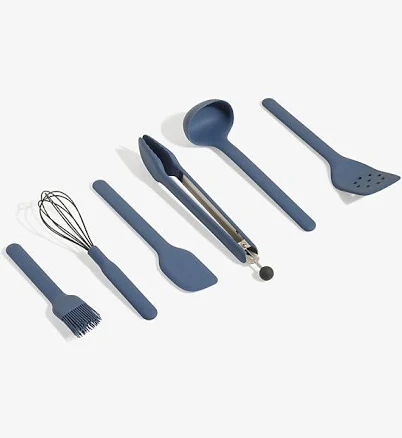
- Silicone utensils, no coating
- The brand calls it PFAS-free, which we have not verified
- Microplastic generation
2 hazards checked on this product, all on its full breakdown.
- Stainless steel utensils
- The brand calls it PFAS-free, which we have not verified
- Nickel leaching from stainless steel
2 hazards checked on this product, all on its full breakdown.
- Stainless steel utensils, material unclear
- The brand calls it PFAS-free, which we have not verified
- Handle material degradation (if present)
2 hazards checked on this product, all on its full breakdown.
More non-stick kitchen gadgets grades
How we score, every product runs through the same public 0-100 rubric based on materials, coatings, brand disclosure, lab findings, and recalls. See the full methodology → Spotted a mistake? Report an error.