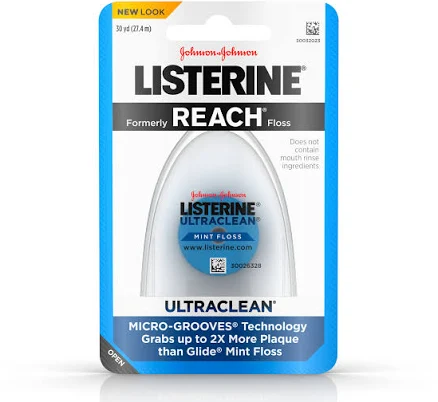
Johnson & Johnson Listerine Ultraclean Mint Floss
Lower concern, though J&J remains silent on composition.
Nylon monofilament with flavoring doesn't need PFAS coatings for its function. No lab data or recalls flag this product as risky.
We flunk more products than we pass. This one earned its grade. How we grade
Material
Nylon monofilament floss, mint flavoring
Brand disclosure
Brand is silent on PFAS
Lab data
No public lab test
You may also be interested in
Top-graded picks in the categories readers replace first, every one scored on the same rubric.

- polypropylene filter housing, carbon/sediment cartridge
- We found no PFAS statement from the brand
- Bacterial growth in spent cartridges
3 hazards checked on this product, all on its full breakdown.

Aquasure
Premier Series 75 GPD Under Sink Reverse Osmosis Water Filtration System
- RO membrane, carbon filters, stainless steel housing
- We found no PFAS statement from the brand
- Bacterial and microbial growth in housing and filters
4 hazards checked on this product, all on its full breakdown.

Avocado
Vegan Mattress
- organic cotton, natural latex, coconut coir, recycled steel coils
- The brand calls it PFAS-free, which we have not verified
- Heavy metals
2 hazards checked on this product, all on its full breakdown.
What Johnson & Johnson Listerine Mint Floss is made of, ingredients and materials
Listerine Ultraclean Mint Floss is a nylon monofilament product, meaning a single continuous synthetic polymer strand treated with mint flavoring and likely a light wax coating for glide and durability. Nylon monofilament is inert in the mouth and does not leach into saliva under normal use. The mint flavoring is typically a food-grade additive or essential oil blend applied to the surface; no established concern for oral ingestion of trace amounts during flossing has been recorded in public health literature.
What’s concerning
Category baseline
The starting point for this type of product, before anything specific to this product is counted.
No PFAS disclosure
No public statement from the brand about PFAS in this product.
Fragrance allergens
Mint flavoring may contain natural or synthetic fragrance compounds that trigger allergic contact dermatitis or oral irritation in sensitive users. This is a general concern for all mint-flavored oral care products, not specific to Listerine. Users with menthol sensitivity or mint allergies should switch to unflavored variants.
Microplastics
Frayed or degraded nylon floss can shed short fibers during use. Swallowing small amounts during flossing is not known to cause acute harm, but chronic ingestion of microplastics remains an emerging area of study. Replace floss when visible fraying occurs to minimize shedding.
Source, EPA ↗What’s reassuring
Base material not linked to PFAS
The main material recorded for this product is not one associated with PFAS.
Formaldehyde / VOCs
Nylon monofilament floss does not require formaldehyde-based curing or resin finishing. No formaldehyde donor compounds are standard in floss manufacturing. No public health alerts link this product to formaldehyde exposure.
Source, ATSDR ↗Heavy metals
Mint-flavored nylon floss does not require pigmentation or colored coatings in this product variant. The wax and flavoring additives are food-grade and not known to contain heavy metal contaminants based on standard cosmetic and oral care regulations.
Source, FDA ↗Wax coating degradation or ingestion
Food-grade wax coatings on floss are designed to be non-toxic if ingested in trace amounts. No cases of harm from swallowing small wax particles during flossing have been recorded in medical literature.
How is this PFAS grade calculated?
The brand's record and disclosure
Johnson & Johnson has not publicly disclosed detailed ingredient composition or manufacturing transparency for this floss product. The company maintains general safety and regulatory compliance statements for oral care lines but does not voluntarily publish third-party testing or independent certifications specific to floss. No recalls or safety warnings have been issued for this product in public records. J&J's silence on PFAS use in dental floss reflects broader industry opacity rather than a known concern.
How it compares in its category
Nylon monofilament floss is the standard material across most commercial brands (Oral-B, Colgate, Reach, Glide). Waxed variants like this one are slightly more durable and easier to guide between tight contacts than unwaxed nylon, though both function identically from a safety standpoint. Plant-based alternatives (silk, bamboo floss) exist but lack the durability of nylon and command higher prices; no safety advantage has been established over nylon for typical users.
If you buy it
Store floss in a cool, dry location away from direct heat and sunlight to preserve the wax coating and mint flavoring integrity, though degradation poses no health risk. Replace the container or spool when the floss becomes frayed, unraveled, or noticeably less slippery, typically every 2-4 months with daily use. Discard any floss that shows visible mold or odor (rare but possible in high-humidity bathrooms). Do not heat or expose to flame; nylon will melt, though ingesting small melted fragments is unlikely during normal flossing.
What is not known about PFAS in this product?
- Basis
- Model estimate, 72% confidence, not a lab result
- Lab test
- None on record for this exact product
- Brand statement
- Listerine has made none
Formulations change between production runs, so check the current label. How we grade.
What are the PFAS-free alternatives to Johnson & Johnson Listerine Ultraclean Mint Floss?
- Plant-based waxed fiber floss
- A third party reports verifying it as PFAS-free
- Fragrance allergens and sensitizers
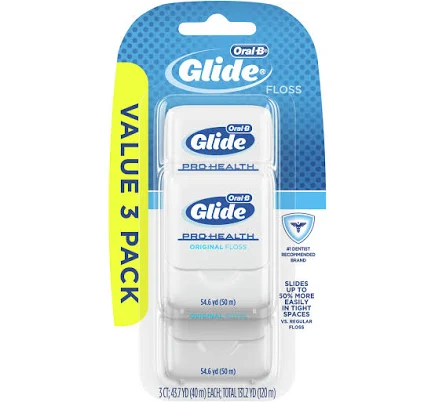
- nylon monofilament
- The brand calls it PFAS-free, which we have not verified
- Microplastics
2 hazards checked on this product, all on its full breakdown.
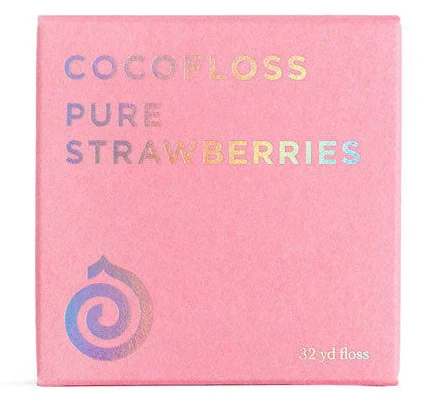
- Coconut fiber-based floss
- The brand calls it PFAS-free, which we have not verified
- Microbial growth in natural fiber storage
More dental floss grades
How we score, every product runs through the same public 0-100 rubric based on materials, coatings, brand disclosure, lab findings, and recalls. See the full methodology → Spotted a mistake? Report an error.