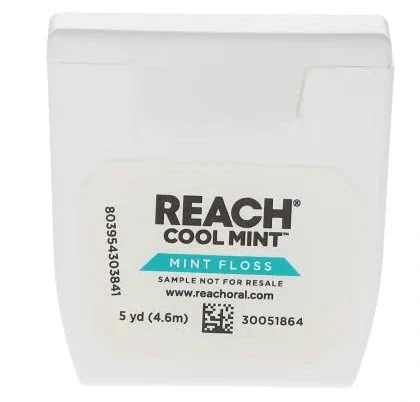
Listerine Cool Mint Floss
Lower concern with no known PFAS risk factors, though no brand clarity exists.
Standard nylon floss requires no PFAS additives for its use. The brand makes no PFAS statements, but material itself poses minimal risk.
We flunk more products than we pass. This one earned its grade. How we grade
Material
Nylon filament (standard dental floss)
Brand disclosure
Brand is silent on PFAS
Lab data
No public lab test
You may also be interested in
Top-graded picks in the categories readers replace first, every one scored on the same rubric.

- polypropylene filter housing, carbon/sediment cartridge
- We found no PFAS statement from the brand
- Bacterial growth in spent cartridges
3 hazards checked on this product, all on its full breakdown.

Aquasure
Premier Series 75 GPD Under Sink Reverse Osmosis Water Filtration System
- RO membrane, carbon filters, stainless steel housing
- We found no PFAS statement from the brand
- Bacterial and microbial growth in housing and filters
4 hazards checked on this product, all on its full breakdown.

Avocado
Vegan Mattress
- organic cotton, natural latex, coconut coir, recycled steel coils
- The brand calls it PFAS-free, which we have not verified
- Heavy metals
2 hazards checked on this product, all on its full breakdown.
What Listerine Cool Mint Floss is made of, ingredients and materials
Listerine Cool Mint Floss is a conventional nylon monofilament or multifilament dental floss, the most common floss material globally. Nylon is a synthetic polymer that does not leach harmful chemicals into the oral cavity during normal use, as it is inert in the wet, low-temperature environment of the mouth. The floss is coated with wax (typically paraffin or synthetic wax) and flavoring agents to aid gliding between teeth; these additives are food-contact approved and are not absorbed systemically in meaningful amounts during brief daily use.
What’s concerning
Category baseline
The starting point for this type of product, before anything specific to this product is counted.
No PFAS disclosure
No public statement from the brand about PFAS in this product.
Fragrance allergens (menthol/mint flavoring)
Cool Mint formulation includes menthol and artificial flavor compounds; rare cases of oral irritation or contact dermatitis in users with mint sensitivity have been anecdotally reported, but incidence is very low and not formally documented in clinical literature for this product.
What’s reassuring
Base material not linked to PFAS
The main material recorded for this product is not one associated with PFAS.
Wax coating composition (paraffin or synthetic)
Standard food-grade paraffin wax used in dental floss is inert and non-toxic; no evidence of leaching or systemic absorption during oral use. Synthetic wax alternatives (polyethylene or polypropylene blends) are not materials linked to PFAS in this application.
Nylon filament degradation or microfiber shedding
High-quality nylon monofilament does not shed fibers during normal use; multifilament designs may occasionally shed individual strands if the floss is old or overused, but swallowing small amounts of nylon is not known to cause harm and is passed through the GI tract.
Formaldehyde / VOCs
Dental floss does not use formaldehyde-releasing resins in its construction; this hazard is not relevant to this product class.
Source, ATSDR ↗Heavy metals
Cool Mint Floss uses approved food-contact colorants (typically FD&C approved dyes); no lead, cadmium, or other heavy metals are known to be present, and no testing has flagged this concern.
Source, FDA ↗How is this PFAS grade calculated?
The brand's record and disclosure
Listerine (Johnson & Johnson subsidiary) has not published specific material safety data sheets or third-party certifications for this floss product. The brand does not explicitly address PFAS presence or absence in marketing or product documentation, which is common practice in the oral-care industry where regulatory scrutiny is lighter than in cookware or food packaging. No recalls, safety complaints, or independent testing red flags for this specific product are on public record.
How it compares in its category
Listerine Cool Mint Floss is functionally identical to most mass-market dental flosses (Oral-B, Reach, store brands); material safety profiles are essentially equivalent. Natural-fiber alternatives (silk floss) exist but carry no documented safety advantage and are more expensive. This product sits squarely in the middle of the market in terms of both efficacy and hazard profile.
If you buy it
Store in a cool, dry place away from direct heat or sunlight to prevent wax softening. Replace the spool when floss becomes frayed or difficult to dispense, typically every 2-3 months with daily use. No special precautions are needed beyond normal use; the product is designed for daily contact with oral tissues and carries no heat-exposure risks. Discard used floss in regular waste; it is not recyclable.
What is not known about PFAS in this product?
- Basis
- Model estimate, 72% confidence, not a lab result
- Lab test
- None on record for this exact product
- Brand statement
- Listerine has made none
Formulations change between production runs, so check the current label. How we grade.
What are the PFAS-free alternatives to Listerine Cool Mint Floss?
- Plant-based waxed fiber floss
- A third party reports verifying it as PFAS-free
- Fragrance allergens and sensitizers
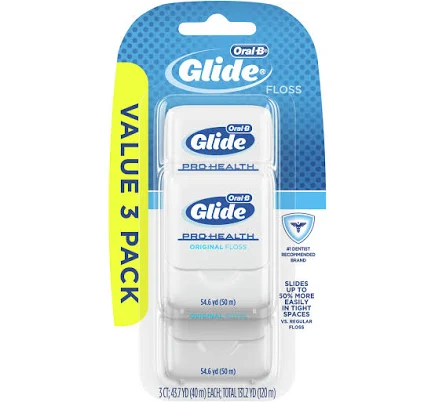
- nylon monofilament
- The brand calls it PFAS-free, which we have not verified
- Microplastics
2 hazards checked on this product, all on its full breakdown.
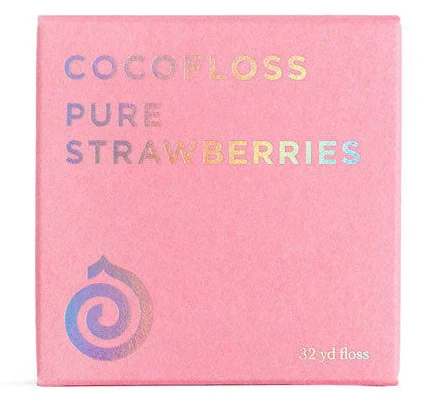
- Coconut fiber-based floss
- The brand calls it PFAS-free, which we have not verified
- Microbial growth in natural fiber storage
More dental floss grades
How we score, every product runs through the same public 0-100 rubric based on materials, coatings, brand disclosure, lab findings, and recalls. See the full methodology → Spotted a mistake? Report an error.