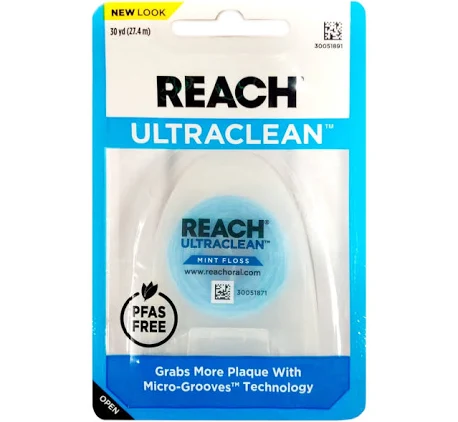
Listerine Ultraclean Mint Floss 30
Lower concern; dental floss unlikely to contain PFAS but no brand disclosure.
Dental floss is a bare polymer filament without coatings that typically contain PFAS. Listerine makes no PFAS claims, but the product category poses minimal risk.
We flunk more products than we pass. This one earned its grade. How we grade
Material
nylon/polyester floss
Brand disclosure
Brand is silent on PFAS
Lab data
No public lab test
You may also be interested in
Top-graded picks in the categories readers replace first, every one scored on the same rubric.

- polypropylene filter housing, carbon/sediment cartridge
- We found no PFAS statement from the brand
- Bacterial growth in spent cartridges
3 hazards checked on this product, all on its full breakdown.

Aquasure
Premier Series 75 GPD Under Sink Reverse Osmosis Water Filtration System
- RO membrane, carbon filters, stainless steel housing
- We found no PFAS statement from the brand
- Bacterial and microbial growth in housing and filters
4 hazards checked on this product, all on its full breakdown.

Avocado
Vegan Mattress
- organic cotton, natural latex, coconut coir, recycled steel coils
- The brand calls it PFAS-free, which we have not verified
- Heavy metals
2 hazards checked on this product, all on its full breakdown.
What Listerine Ultraclean Mint Floss 30 is made of, ingredients and materials
Listerine Ultraclean Mint Floss is a nylon or polyester-based dental floss, likely coated or treated for glide and flavor. Nylon and polyester are synthetic polymers not known to leach endocrine disruptors under the low-moisture, room-temperature conditions of mouth use. The floss contacts oral tissue only briefly during cleaning and any ingested fibers are minimal. Mint flavoring is typically a food-grade additive and not a primary hazard vector in this application.
What’s concerning
Category baseline
The starting point for this type of product, before anything specific to this product is counted.
No PFAS disclosure
No public statement from the brand about PFAS in this product.
Fragrance allergens (mint/flavoring)
Mint flavoring in floss may trigger contact sensitization in individuals with mint allergy or sensitive oral mucosa. This is a rare individual response, not a product-wide hazard. Discontinue use if irritation, swelling, or burning occurs.
Microplastics
Frayed or broken nylon floss fibers shed into the mouth and may be swallowed; nylon is not biodegradable and does not break down in the GI tract. Volume ingested during normal flossing is trivial, but chronic use over decades represents unmeasured cumulative exposure. Significance is uncertain.
Source, EPA ↗What’s reassuring
Base material not linked to PFAS
The main material recorded for this product is not one associated with PFAS.
Formaldehyde / VOCs
Nylon and polyester floss may carry residual sizing or coating agents; no formaldehyde resin use or residue is documented for Listerine floss. Intraoral contact and lack of ingestion minimize exposure even if present.
Source, ATSDR ↗Azo dyes (color additives)
Mint floss may contain colorants; Listerine does not disclose dye type. Azo dyes are not a standard hazard in dental floss and brief oral contact poses negligible risk. No recalls or complaints on record.
Coating degradation and leaching
Wax or resin coatings on floss may degrade with age or moisture exposure. No leachate testing or degradation hazards are documented for Listerine floss. Storage in a sealed dispenser minimizes exposure to moisture and light.
How is this PFAS grade calculated?
The brand's record and disclosure
Listerine (Johnson & Johnson consumer division) does not publicly disclose material composition, coating formulations, or testing results for this floss product. The brand has no documented recalls or safety alerts specific to dental floss. Johnson & Johnson has faced litigation over talc contamination in personal care products, but this is unrelated to floss. No independent third-party certifications (such as organic or toxicant-free claims) are marketed for this product.
How it compares in its category
Dental floss as a category carries minimal systemic exposure risk due to intraoral-only contact and low ingestion volume. Nylon and polyester floss are standard across brands; some competitors (e.g., Tom's of Maine, Oral-B) market plant-based or waxed alternatives, but safety profiles are comparable. Waxed vs. unwaxed floss differs mainly in glide and residue, not chemical hazard profile. Mint-flavored floss is common and unexceptional in safety terms.
If you buy it
Use as directed, unwind 12-18 inches and wind around fingers, guide gently between teeth without forcing. Do not swallow large amounts of floss; discard after use. Store in a cool, dry place away from moisture to prevent mold on the dispenser. Replace the entire spool when it becomes frayed, brittle, or difficult to unwind, typically every 1-3 months depending on frequency. No special handling or heat exposure concerns apply to this product.
What is not known about PFAS in this product?
- Basis
- Model estimate, 72% confidence, not a lab result
- Lab test
- None on record for this exact product
- Brand statement
- Listerine has made none
Formulations change between production runs, so check the current label. How we grade.
What are the PFAS-free alternatives to Listerine Ultraclean Mint Floss 30?
- Plant-based waxed fiber floss
- A third party reports verifying it as PFAS-free
- Fragrance allergens and sensitizers
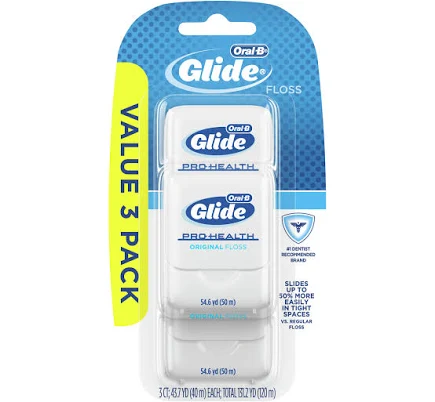
- nylon monofilament
- The brand calls it PFAS-free, which we have not verified
- Microplastics
2 hazards checked on this product, all on its full breakdown.
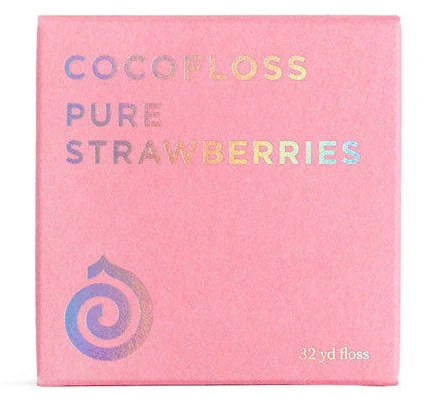
- Coconut fiber-based floss
- The brand calls it PFAS-free, which we have not verified
- Microbial growth in natural fiber storage
More dental floss grades
How we score, every product runs through the same public 0-100 rubric based on materials, coatings, brand disclosure, lab findings, and recalls. See the full methodology → Spotted a mistake? Report an error.