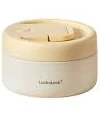
Lock&Lock Insulated Lunch Box, Stainless Steel Lunch Box, Insulated Bowl For Baby Food, Lunch Box For Elementary School
Stainless steel lunch box carries lower PFAS concern; plastic lids unspecified.
Stainless steel construction poses minimal PFAS risk from the primary body. Plastic seals and lids lack material disclosure, creating modest uncertainty; no brand PFAS statement available.
We flunk more products than we pass. This one earned its grade. How we grade
Material
stainless steel body, standard plastic lids and seals
Brand disclosure
Brand is silent on PFAS
Lab data
No public lab test
What Lock&Lock Insulated Lunch Box, Stainless is made of, ingredients and materials
The body is stainless steel, an inert metal that does not leach metals or chemicals into food under normal use. Stainless steel lunch boxes avoid the aluminum leaching and ceramic-glaze contamination risks present in some metal or ceramic alternatives. The lids and seals are plastic (material type not specified by Lock & Lock in public documentation), which is the primary chemical contact surface for food, especially when the box is heated or contains acidic foods. Stainless steel itself has no documented heat-stability concerns for food storage up to typical microwave temperatures.
What’s concerning
Category baseline
The starting point for this type of product, before anything specific to this product is counted.
No PFAS disclosure
No public statement from the brand about PFAS in this product.
BPA & bisphenols
Lock & Lock does not disclose the resin type or chemical composition of lids and seals. Standard food-contact plastics in this price range may contain BPA or other plasticizers, especially if older stock or imported with minimal regulatory oversight. No recalls have been documented for this specific product.
Source, FDA ↗Microplastics
Plastic lids and seals degrade with repeated heating (microwave use, dishwasher), hot food contact, and detergent exposure. Fragmented plastic particles can leach into food, particularly if lids are visibly worn, warped, or cracked. Risk increases if lids are older or heavily used.
Source, EPA ↗Bacterial or mold growth in seal channels
Insulated lunch boxes with removable lids and seals can trap moisture and food residue in crevices if not dried thoroughly between uses. Regular, thorough drying and periodic cleaning of seal channels with a brush can prevent microbial growth.
What’s reassuring
Bare uncoated material
Recorded as a bare, uncoated material with no surface coating or treatment.
Aluminum leaching from interior coating or fasteners
The body is stainless steel, not aluminum, so primary aluminum leaching is not a concern. Stainless steel fasteners or hinges are unlikely leaching sources under normal food storage conditions.
Heavy metals
Food-grade stainless steel (typically 304 or 316 alloy) used in lunch boxes is regulated and does not leach nickel, chromium, or other metals into food under normal conditions. Lock & Lock does not specify alloy grade in public materials, but no contamination recalls are documented.
Source, FDA ↗The full breakdown
The brand's record and disclosure
Lock & Lock is a South Korean food-storage brand with a large market presence in lunch boxes and containers. The brand provides no public statements on BPA, BPS, phthalates, or specific plastic resin types used in lids and seals, a common omission among mainstream food-storage manufacturers. No major product recalls specific to chemical contamination have been widely reported for this product line. The company's silence on plastic composition means independent verification of lid safety is not readily available through manufacturer transparency.
How it compares in its category
Stainless steel lunch boxes are generally lower-risk than plastic-bodied alternatives for avoiding leaching, though plastic lids are standard across most insulated lunch boxes. This product is comparable to other stainless steel lunch box offerings (e.g., Hydro Flask, Bentgo Steel) in material choice but lacks the material transparency some competitors provide. Glass-lined or full-glass alternatives eliminate plastic contact entirely but are heavier and more fragile. Lock & Lock's price point is mid-range, reflecting the stainless steel construction without premium transparency or certification.
If you buy it
Inspect lids and seals for cracks, warping, or discoloration before first use and periodically thereafter. Avoid prolonged storage of acidic foods (vinegar, citrus, tomato) directly against plastic lids, as acidity can increase plastic leaching over time. The stainless steel body is durable; focus replacement attention on plastic lids and gaskets, which degrade faster with heat and detergent exposure. Hand-wash lids if possible rather than dishwasher cycling to extend seal life and reduce thermal stress on plastics.
What we don’t know
- Basis
- Model estimate, 72% confidence, not a lab result
- Lab test
- None on record for this exact product
- Brand statement
- Lock & Lock has made none
Formulations change between production runs, so check the current label. How we grade.
Better-graded alternatives in Lunch Boxes
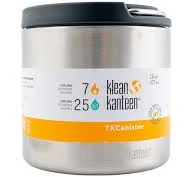
Klean Kanteen
Double Wall Vacuum Insulated Stainless Steel Food Canister Container with Leak Proof Lid
- Stainless steel body, silicone gasket lid seal
- The brand calls it PFAS-free, which we have not verified
- Silicone gasket degradation
3 hazards checked on this product. See all of them.
More lunch boxes grades
How we score, every product runs through the same public 0-100 rubric based on materials, coatings, brand disclosure, lab findings, and recalls. See the full methodology → Spotted a mistake? Report an error.