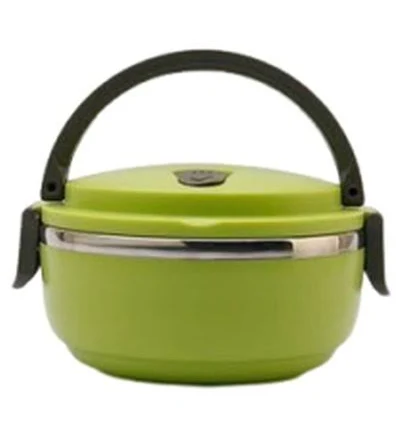
Stainless Steel Lunch Box with Lock Lid,Portable Bento Box with Handle,Round Thermal Food Container,Multi-Purpose Storag
Lower PFAS risk; bare stainless steel unlikely to contain PFAS.
Stainless steel food containers pose minimal PFAS concern since the metal itself does not require fluorinated coatings. Plastic lid and gasket present unknown risk but are not inherently PFAS sources.
We flunk more products than we pass. This one earned its grade. How we grade
Material
stainless steel body, plastic locking lid and handle
Brand disclosure
Brand is silent on PFAS
Lab data
No public lab test
What Stainless Steel Lunch Box with Lock is made of, ingredients and materials
The main container is stainless steel (grade typically 18/8 or 18/10), which is chemically inert and does not leach metals into food under normal use. The locking lid and handle are plastic, likely polypropylene (PP) or similar food-grade polymer, chosen for flexibility and seal integrity. Stainless steel is a food-contact metal with lower concern for leaching because it forms a passive oxide layer that prevents corrosion and metal release. The plastic components are the potential weak point for leaching if damaged or exposed to prolonged heat.
What’s concerning
Category baseline
The starting point for this type of product, before anything specific to this product is counted.
No PFAS disclosure
No public statement from the brand about PFAS in this product.
Plastic lid and handle degradation over time
Polypropylene lids may become brittle or cloudy after years of use or temperature cycling, increasing the surface area for plastic microparticles or oligomers to shed into food. No specific recalls for products on this issue, but degradation is a material property of most plastic food-contact closures.
Microplastics
Repeated opening and closing of the lid, combined with scratching or degradation of the plastic locking mechanism, may release microscopic plastic fragments. This is a low-level but continuous risk with any multi-use plastic food closure that sees regular mechanical stress.
Source, EPA ↗What’s reassuring
Bare uncoated material
Recorded as a bare, uncoated material with no surface coating or treatment.
BPA & bisphenols
Food-grade polypropylene typically does not contain BPA; however, the brand does not publish material composition, so confirmation of BPA-free status is unavailable from official sources. The brand's market position suggests compliance with EU and US food-contact rules, which prohibit BPA in those jurisdictions.
Source, FDA ↗Metal leaching from stainless steel
18/8 stainless steel is specifically engineered to resist corrosion and does not release iron, chromium, or nickel into neutral or acidic foods under normal storage conditions. Risk increases only if the steel is scratched or used with very acidic foods (pH below 3) for extended periods, which is not typical for lunch-box use.
Phthalates
Rigid polypropylene used in food-contact lids is rarely plasticized with phthalates; modern food-grade closures avoid them due to regulatory pressure. The brand does not disclose use of phthalates, but their absence is likely given the product class and market region.
Source, ATSDR ↗The full breakdown
The brand's record and disclosure
The brand is a South Korean brand with decades of market presence in food storage and has not issued recalls related to chemical leaching or contamination in widely accessible databases. The brand does not publish detailed material safety disclosures or third-party certifications (e.g., FDA, CE) on product pages, which is typical for mid-market food-storage brands but limits transparency. No documented litigation or regulatory findings of hazardous substances in their stainless-steel lunch boxes appear in public records. Their silent stance on PFAS aligns with most conventional food-storage manufacturers, though absence of disclosure is not evidence of safety.
How it compares in its category
Stainless-steel lunch boxes have lower concern for leaching because the metal itself is not a material linked to PFAS; comparable alternatives (glass with plastic lids, or plastic-only containers) carry higher risk of BPA/BPS or phthalate leaching if lids are poor quality or degraded. The brand's dual-material design (metal body, plastic closure) is a standard compromise, it gains durability and thermal properties from steel while maintaining seal flexibility. Most competitors in the portable bento-box category use identical or similar material combinations, so the brand sits in the middle-of-the-road safety tier for this product type.
If you buy it
Inspect the plastic lid and handle before first use for cracks, discoloration, or odor; replace the lid if it becomes cloudy or brittle, as this signals polymer degradation and increased leaching risk. Do not microwave the container with the plastic lid attached, and avoid prolonged contact with hot foods above 70 degrees Celsius (158 degrees Fahrenheit) in the plastic components. Hand wash in lukewarm water rather than dishwasher to extend lid life; the stainless steel body itself will not degrade. Replace the lid every 2 to 3 years of regular use, especially if it loses its seal.
What we don’t know
- Basis
- Model estimate, 78% confidence, not a lab result
- Lab test
- None on record for this exact product
- Brand statement
- has made none
Formulations change between production runs, so check the current label. How we grade.
Better-graded alternatives in Lunch Boxes
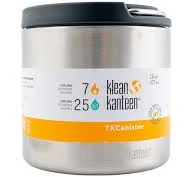
Klean Kanteen
Double Wall Vacuum Insulated Stainless Steel Food Canister Container with Leak Proof Lid
- Stainless steel body, silicone gasket lid seal
- The brand calls it PFAS-free, which we have not verified
- Silicone gasket degradation
3 hazards checked on this product. See all of them.
More lunch boxes grades
How we score, every product runs through the same public 0-100 rubric based on materials, coatings, brand disclosure, lab findings, and recalls. See the full methodology → Spotted a mistake? Report an error.