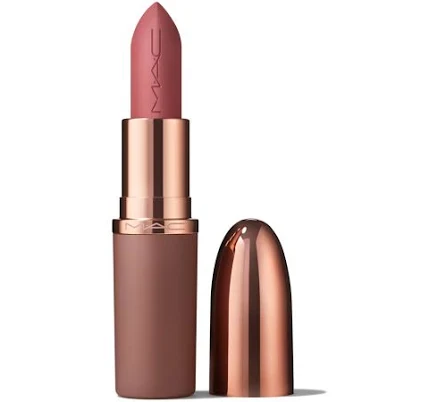
MAC Cosmetics MACximal Silky Matte Lipstick
Lower concern. Lipstick formulations rarely use PFAS intentionally.
MAC doesn't disclose PFAS status for this lipstick. Standard lipstick formulations typically contain waxes and pigments without fluorinated compounds.
We flunk more products than we pass. This one earned its grade. How we grade
Material
wax, oils, pigments, standard cosmetic binders
Lab data
No public lab test
You may also be interested in
Top-graded picks in the categories readers replace first, every one scored on the same rubric.

Aqua Pure
3M Aqua-Pure AP802B Whole House Filter Housing
- polypropylene filter housing, carbon/sediment cartridge
- We found no PFAS statement from the brand
- Bacterial growth in spent cartridges
3 hazards checked on this product. See all of them.

Aquasure
Premier Series 75 GPD Under Sink Reverse Osmosis Water Filtration System
- RO membrane, carbon filters, stainless steel housing
- We found no PFAS statement from the brand
- Bacterial and microbial growth in housing and filters
4 hazards checked on this product. See all of them.

Avocado
Vegan Mattress
- organic cotton, natural latex, coconut coir, recycled steel coils
- The brand calls it PFAS-free, which we have not verified
- Heavy metals
2 hazards checked on this product. See all of them.
What MAC Cosmetics MACximal Silky Matte is made of, ingredients and materials
MACximal Silky Matte Lipstick is a wax-based formulation (typically candelilla, carnauba, or synthetic waxes) blended with oils and color pigments. The 'silky matte' finish suggests a balance of wax structure with light-diffusing agents to reduce shine without heavy film-formers. Matte lipsticks inherently carry lower risk of film-forming polymer buildup compared to glosses, and wax bases are non-toxic at normal exposure levels.
What’s concerning
Category baseline
The starting point for this type of product, before anything specific to this product is counted.
No PFAS disclosure
No public statement from the brand about PFAS in this product.
Heavy metals
MAC lipsticks use FDA-approved colorants, but independent testing occasionally detects trace lead or cadmium in pigment batches across the industry. MAC has not published heavy metal testing reports for this line. Risk is low at typical lip application volumes but accumulates with daily, long-term use.
Source, FDA ↗Fragrance allergens and sensitizers
MAC lipsticks include fragrance compounds to mask wax odor and improve sensory appeal. Individual allergen rates vary; linalool, limonene, and cinnamyl alcohol are common irritants in cosmetic fragrance. Sensitive lips or those with cosmetic contact dermatitis may react; patch testing on inner arm before lip application is prudent.
Formaldehyde / VOCs
Older MAC formulations may contain imidazolidinyl urea or dmdm hydantoin (formaldehyde releasers). Current MACximal line ingredients are not publicly detailed in full, so presence cannot be ruled out. Formaldehyde release in lipstick is minimal due to low water content, but repeat exposure to sensitized individuals can trigger lip dermatitis.
Source, ATSDR ↗What’s reassuring
Base material not linked to PFAS
The main material recorded for this product is not one associated with PFAS.
1,4-dioxane in emulsifiers or preservatives
No documented reports of 1,4-dioxane in MAC lipsticks. This contaminant is more common in rinse-off products (shampoos, cleansers) than leave-on lip color. MAC's supply chain is large enough that vendor testing would likely flag problematic batches.
Talc contamination or asbestos risk
MAC has not been implicated in talc-related litigation. Most modern lipsticks use mica or synthetic silicates instead of talc for texture. No evidence that MACximal specifically contains talc, but product monograph would confirm.
The full breakdown
The brand's record and disclosure
MAC provides ingredient lists and has published safety data sheets accessible to consumers. The brand does not claim organic or clean-beauty positioning, so expectations of third-party certification (ECOCERT, Leaping Bunny) are low. MAC has faced no major recalls or contamination scandals for lipstick products in recent history. Estée Lauder Companies (owner) maintains general cosmetic compliance but does not voluntarily eliminate legacy concern chemicals from all SKUs.
How it compares in its category
MAC lipsticks sit in the mid-to-premium conventional cosmetics bracket, similar in safety profile to brands like Clinique or Bobbi Brown. This product is less 'clean-marketed' than indie brands that exclude talc or synthetic dyes, but more transparent than mass-market private label. Matte formulations across the category (MAC, NARS, Charlotte Tilbury) share comparable wax-pigment chemistries and pose no unusual risk relative to peers.
If you buy it
Apply only to lips; do not use near eyes or on damaged skin. Lipstick is ingested in small amounts during eating and drinking, so occasional residue swallowing is unavoidable and poses no documented harm at normal use frequency. Replace if texture becomes grainy, separates, or smells off (sign of rancid oils). Store away from direct heat and sunlight to prevent wax bloom or oil separation.
What we don’t know
- Basis
- Model estimate, 72% confidence, not a lab result
- Lab test
- None on record for this exact product
- Brand statement
- MAC has made a specific claim
Formulations change between production runs, so check the current label. How we grade.
More lipstick grades
How we score, every product runs through the same public 0-100 rubric based on materials, coatings, brand disclosure, lab findings, and recalls. See the full methodology → Spotted a mistake? Report an error.