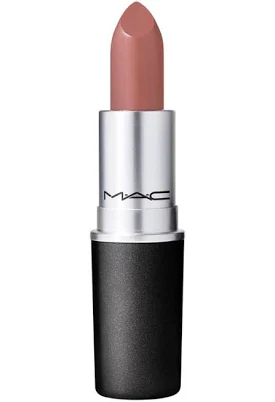
MAC Lipstick Matte
Lower concern. Typical lipstick formulation unlikely to contain PFAS.
MAC Matte Lipstick uses standard cosmetic ingredients without PFAS disclosure from the brand. Conventional lipstick wax and pigment formulations rarely require fluorochemicals.
We flunk more products than we pass. This one earned its grade. How we grade
Material
Wax, oils, pigments, talc
Lab data
No public lab test
You may also be interested in
Top-graded picks in the categories readers replace first, every one scored on the same rubric.

Aqua Pure
3M Aqua-Pure AP802B Whole House Filter Housing
- polypropylene filter housing, carbon/sediment cartridge
- We found no PFAS statement from the brand
- Bacterial growth in spent cartridges
3 hazards checked on this product. See all of them.

Aquasure
Premier Series 75 GPD Under Sink Reverse Osmosis Water Filtration System
- RO membrane, carbon filters, stainless steel housing
- We found no PFAS statement from the brand
- Bacterial and microbial growth in housing and filters
4 hazards checked on this product. See all of them.

Avocado
Vegan Mattress
- organic cotton, natural latex, coconut coir, recycled steel coils
- The brand calls it PFAS-free, which we have not verified
- Heavy metals
2 hazards checked on this product. See all of them.
What MAC Lipstick Matte is made of, ingredients and materials
MAC Matte Lipstick is a wax-oil-pigment blend typical of conventional matte lipsticks. The wax base (usually blend of carnauba, beeswax, and synthetic waxes) provides structure and adhesion. Talc is present as a texture modifier and absorbent. Pigments (iron oxides, titanium dioxide, and mica) provide color, while oils ensure spreadability. The matte finish typically comes from increased talc load and reduced emollient oil compared to satin or glossy formulas.
What’s concerning
Category baseline
The starting point for this type of product, before anything specific to this product is counted.
No PFAS disclosure
No public statement from the brand about PFAS in this product.
Talc contamination with asbestos or respirable particles
Talc in cosmetics carries a theoretical risk of asbestos fibers or fine particle inhalation if sourced from contaminated deposits, though modern FDA-regulated suppliers are required to exclude asbestos. No specific testing data for MAC Matte Lipstick is publicly available; risk is primarily during application and sharpening if talc becomes airborne.
Fragrance allergens and sensitization
MAC Matte Lipstick contains fragrance agents not individually disclosed on packaging. Common fragrance allergens (e.g., limonene, geraniol) may trigger contact dermatitis or photosensitivity in susceptible individuals. Incidence in this product line is not quantified; patch testing is recommended if prior fragrance sensitivity exists.
1,4-dioxane in emulsifiers or preservative systems
1,4-dioxane is a manufacturing byproduct sometimes present in cosmetics using ethoxylated ingredients or stabilizers. MAC does not disclose whether formulation includes 1,4-dioxane screening or removal. Exposure via occasional lip application is considered low-risk by FDA and European authorities, but non-zero in conventional formulas.
What’s reassuring
Base material not linked to PFAS
The main material recorded for this product is not one associated with PFAS.
Heavy metals
Iron oxides and mica used in lipstick pigmentation are tightly regulated under FDA cosmetic color regulations and EU annex limits. No reported contamination cases for MAC Matte Lipstick. Risk of lead or cadmium exposure from this product is not established in available literature.
Source, FDA ↗Formaldehyde / VOCs
Modern MAC formulations are unlikely to use direct formaldehyde releasers (e.g., DMDM hydantoin) due to consumer preference and regulatory tightening, but ingredient lists do not exclude them. No specific case reports of formaldehyde sensitivity from MAC Matte Lipstick exist in public records.
Source, ATSDR ↗The full breakdown
The brand's record and disclosure
MAC (owned by Estée Lauder Companies) does not publicly highlight talc sourcing or heavy metal testing for individual products, though parent company complies with FDA cosmetic regulations and EU cosmetic directive limits. No major recalls or ingredient controversies have been established for MAC Matte Lipstick. The brand does not publish talc safety certifications or third-party testing reports specific to this line.
How it compares in its category
MAC Matte Lipstick is positioned as a premium conventional matte lipstick and is chemically representative of mainstream matte formulas. Talc-free alternatives exist (primarily from indie and clean beauty brands using silica, magnesium myristate, or clay) but are less common in prestige cosmetics. MAC's formula is not distinguished by higher or lower risk compared to competitors like NARS, Charlotte Tilbury, or Fenty Beauty matte offerings.
If you buy it
Apply sparingly and avoid inhalation during application or sharpening. Replace every 2-3 years or if color separation or rancidity odor develops. Store in cool, dry conditions away from heat. If you are pregnant, nursing, or have respiratory sensitivity, consider talc-free alternatives as a precaution. Do not use if packaging shows signs of tampering or mold.
What we don’t know
- Basis
- Model estimate, 72% confidence, not a lab result
- Lab test
- None on record for this exact product
- Brand statement
- MAC has made a specific claim
Formulations change between production runs, so check the current label. How we grade.
More lipstick grades
How we score, every product runs through the same public 0-100 rubric based on materials, coatings, brand disclosure, lab findings, and recalls. See the full methodology → Spotted a mistake? Report an error.