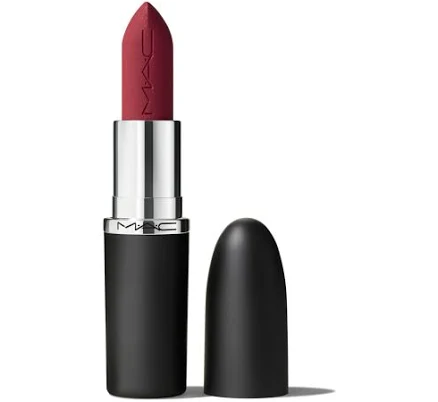
MAC Macximal Silky Matte Lipstick
Lipstick formulations rarely contain PFAS. MAC provides no disclosure.
MAC doesn't disclose PFAS or make brand claims about this product. Lipsticks typically use waxes and pigments with minimal PFAS risk, though no independent testing confirms PFAS-free status.
We flunk more products than we pass. This one earned its grade. How we grade
Material
Lipstick wax blend, silica, pigments
Lab data
No public lab test
You may also be interested in
Top-graded picks in the categories readers replace first, every one scored on the same rubric.

Aqua Pure
3M Aqua-Pure AP802B Whole House Filter Housing
- polypropylene filter housing, carbon/sediment cartridge
- We found no PFAS statement from the brand
- Bacterial growth in spent cartridges
3 hazards checked on this product. See all of them.

Aquasure
Premier Series 75 GPD Under Sink Reverse Osmosis Water Filtration System
- RO membrane, carbon filters, stainless steel housing
- We found no PFAS statement from the brand
- Bacterial and microbial growth in housing and filters
4 hazards checked on this product. See all of them.

Avocado
Vegan Mattress
- organic cotton, natural latex, coconut coir, recycled steel coils
- The brand calls it PFAS-free, which we have not verified
- Heavy metals
2 hazards checked on this product. See all of them.
What MAC Macximal Silky Matte Lipstick is made of, ingredients and materials
MAC Macximal Silky Matte contains a wax blend (likely beeswax, carnauba wax, or synthetic wax), silica for texture and matte finish, and pigments for color. The silica serves as a slip agent and matting powder, common in matte lipsticks. The wax base is inherently inert and designed for lip application where ingestion of small amounts during eating or drinking is routine and expected by regulators.
What’s concerning
Category baseline
The starting point for this type of product, before anything specific to this product is counted.
No PFAS disclosure
No public statement from the brand about PFAS in this product.
Heavy metals
Synthetic color additives (FD&C reds, yellows, browns) used in dark or warm matte shades may contain trace lead or cadmium. MAC does not publish metal testing data. Risk is low given lip application and minimal ingestion, but no independent verification is available.
Source, FDA ↗Formaldehyde / VOCs
Some matte lipstick formulations use preservatives such as imidazolidinyl urea or dmdm hydantoin, which release small amounts of formaldehyde over time. MAC's ingredient list does not explicitly exclude these; detailed formulation is proprietary.
Source, ATSDR ↗Fragrance allergens (unlisted components)
MAC Macximal lists 'fragrance' as an ingredient without specifying components. Individual fragrance compounds (e.g., limonene, geraniol) can trigger contact dermatitis in sensitive individuals. Brand does not publish fragrance disclosure.
1,4-dioxane as manufacturing byproduct
Some cosmetic wax blends and emulsifiers can be contaminated with 1,4-dioxane during synthesis. MAC does not disclose whether the product is tested or treated to remove this likely contaminant. Risk is low but unquantified.
What’s reassuring
Base material not linked to PFAS
The main material recorded for this product is not one associated with PFAS.
Talc contamination or asbestos risk
No public records indicate MAC uses talc in Macximal; silica is the stated mattifying agent. If talc is absent from formulation, asbestos contamination risk is not applicable. Verification would require MAC's direct confirmation.
The full breakdown
The brand's record and disclosure
MAC (Estee Lauder subsidiary) does not publicly disclose detailed ingredient safety testing or PFAS analysis for this product line. The brand has not faced major recalls or published controversies specific to Macximal lipsticks. MAC lists ingredients on packaging but does not voluntarily publish heavy metal testing or allergen screening data, which is typical for prestige cosmetics brands but limits transparency compared to indie or clean-focused competitors.
How it compares in its category
MAC Macximal sits in the mainstream prestige segment; its safety profile is comparable to other drugstore and department-store matte lipsticks. Unlike indie or certified clean brands, MAC does not emphasize third-party testing or restrictive formulation policies. It is considered standard for the category in terms of regulatory compliance but offers less transparency than brands marketing "clean" or "non-toxic" positioning.
If you buy it
Replace lipstick every 12-24 months or sooner if texture changes, odor develops, or product separates; these signs indicate degradation or bacterial growth. Do not heat the product or store near direct sunlight or high temperatures, as wax and pigment stability may decline. Avoid contact with eyes and mucous membranes beyond the lips. Discontinue use if redness, swelling, or irritation develops.
What we don’t know
- Basis
- Model estimate, 72% confidence, not a lab result
- Lab test
- None on record for this exact product
- Brand statement
- MAC has made a specific claim
Formulations change between production runs, so check the current label. How we grade.
More lipstick grades
How we score, every product runs through the same public 0-100 rubric based on materials, coatings, brand disclosure, lab findings, and recalls. See the full methodology → Spotted a mistake? Report an error.