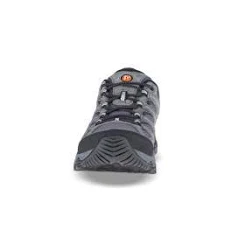
Merrell Men's Moab 3
No coating described, and no PFAS statement from the brand.
The product information we reviewed describes mesh and leather upper, rubber outsole, with no water-repellent coating named. Water resistance on products like this usually comes from the material and its seals rather than a surface treatment. The brand has published no PFAS statement for it.
Still want this one anyway? Check the price on Amazon. We’d swap it.
Material
Mesh and leather upper, rubber outsole
Brand disclosure
Brand is silent on PFAS
Lab data
No public lab test
You may also be interested in
Top-graded picks in the categories readers replace first, every one scored on the same rubric.

Aqua Pure
3M Aqua-Pure AP802B Whole House Filter Housing
- polypropylene filter housing, carbon/sediment cartridge
- We found no PFAS statement from the brand
- Bacterial growth in spent cartridges
3 hazards checked on this product. See all of them.

Aquasure
Premier Series 75 GPD Under Sink Reverse Osmosis Water Filtration System
- RO membrane, carbon filters, stainless steel housing
- We found no PFAS statement from the brand
- Bacterial and microbial growth in housing and filters
4 hazards checked on this product. See all of them.

Avocado
Vegan Mattress
- organic cotton, natural latex, coconut coir, recycled steel coils
- The brand calls it PFAS-free, which we have not verified
- Heavy metals
2 hazards checked on this product. See all of them.
What Merrell Men's Moab 3 is made of, ingredients and materials
The Moab 3 upper combines breathable mesh with leather panels, both low-hazard textile substrates. The rubber outsole is a standard elastomer with no known leachable concerns under normal outdoor use. No waterproofing membrane coating is described in available product documentation; water resistance appears to derive from the leather and construction seams rather than a chemical barrier applied to the surface.
What’s concerning
Category baseline
The starting point for this type of product, before anything specific to this product is counted.
No PFAS disclosure
No public statement from the brand about PFAS in this product.
Formaldehyde / VOCs
Leather tanning often uses formaldehyde-based resins; Merrell does not disclose tannery sources or finish specifications. Off-gassing is typically low in outdoor boots but can occur in new footwear stored in sealed packaging. Airing new boots outdoors before wear reduces potential exposure.
Source, ATSDR ↗Azo dyes in leather and mesh coloring
Leather and synthetic mesh dyes may include azo compounds that generate aromatic amines under sweat or heat. No brand certification (e.g., OEKO-TEX) is cited for the Moab 3, so dye safety cannot be verified independently. Prolonged skin contact with darker-colored uppers carries the lowest risk of any concern in this product.
Heavy metals
Leather processing can introduce chromium or other metal residues depending on tannery process; chrome-tanned leather is standard but unverified by Merrell. No documented contamination has been reported in Moab models. Skin contact is indirect through socks, reducing bioavailability of any residual metals.
Source, FDA ↗Microbial growth in damp mesh and padding
Moisture retention in mesh linings and foam insoles can support bacterial or fungal growth if boots are not dried promptly after use. This is a maintenance issue rather than a design hazard. Regular drying and occasional antimicrobial treatment (e.g., baking soda) mitigates the risk.
What’s reassuring
Base material not linked to PFAS
The main material recorded for this product is not one associated with PFAS.
Rubber outsole degradation and leachates
Standard vulcanized rubber soles do not release significant organic leachates under normal use. Accelerated degradation from heat or ozone may occur over years, but no hazardous metals or phthalates are typical in hiking boot soles at this price point.
The full breakdown
The brand's record and disclosure
Merrell has not published a public PFAS statement or chemical use transparency report. The brand has no documented recalls or safety controversies related to formaldehyde, heavy metals, or flame retardants in footwear. Industry-standard tanning and dyeing processes are typical for leather brands at this price point, but Merrell does not disclose which tanneries or dye suppliers it uses.
How it compares in its category
Mesh-and-leather hiking boots like the Moab 3 are a conventional construction with fewer chemical hazards than fully synthetic or heavily coated alternatives. Competitors using PU or polyester membranes may carry higher PFAS or formaldehyde risk; leather-mesh hybrids generally score lower concern in durability and off-gassing. Merrell's lack of transparency is typical for mid-market outdoor brands and does not differentiate it negatively.
If you buy it
Clean and dry the boots after wet use to prevent bacterial growth in the mesh and prevent premature leather degradation. Avoid prolonged exposure to direct heat (not near heaters or ovens) as this can shrink and crack leather. Inspect the stitching and rubber outsole every 100-150 hours of use; replacement of insoles or midsoles may extend lifespan. Leather conditioner applied annually helps maintain water resistance and flexibility without chemical buildup.
What we don’t know
- Basis
- Model estimate, 45% confidence, not a lab result
- Lab test
- None on record for this exact product
- Brand statement
- Merrell has made none
Formulations change between production runs, so check the current label. How we grade.
More waterproof boots grades
How we score, every product runs through the same public 0-100 rubric based on materials, coatings, brand disclosure, lab findings, and recalls. See the full methodology → Spotted a mistake? Report an error.