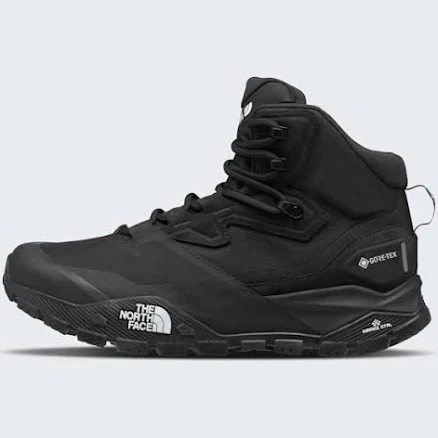
The North Face · Waterproof Boots
The North Face Men's Offtrail Hike LT Mid GORE-TEX Hiking Boots
GORE-TEX boots carry inherent PFAS risk without verification.
GORE-TEX membranes are fluorocarbon-based and historically linked to PFAS. The North Face doesn't disclose PFAS details for these boots. Without lab testing or brand claims, assume waterproof boots use fluorinated water-repellent coating.
Still want this one anyway? Check the price on Amazon. We’d swap it.
Material
GORE-TEX membrane (fluorocarbon-based); leather/synthetic uppers
Lab data
No public lab test
You may also be interested in
Top-graded picks in the categories readers replace first, every one scored on the same rubric.

- polypropylene filter housing, carbon/sediment cartridge
- We found no PFAS statement from the brand
- Bacterial growth in spent cartridges
3 hazards checked on this product, all on its full breakdown.

Aquasure
Premier Series 75 GPD Under Sink Reverse Osmosis Water Filtration System
- RO membrane, carbon filters, stainless steel housing
- We found no PFAS statement from the brand
- Bacterial and microbial growth in housing and filters
4 hazards checked on this product, all on its full breakdown.

Avocado
Vegan Mattress
- organic cotton, natural latex, coconut coir, recycled steel coils
- The brand calls it PFAS-free, which we have not verified
- Heavy metals
2 hazards checked on this product, all on its full breakdown.
What The North Face Men's Offtrail Hiking Boots is made of, ingredients and materials
These boots use GORE-TEX, a fluorocarbon-based membrane bonded to fabric layers to repel water while allowing vapor transmission. The uppers combine leather and synthetic materials, typically polyester or nylon, which may be treated with dyes, finishing agents, and water-resistant coatings. GORE-TEX itself is inherently fluorinated to function, meaning any GORE-TEX boot carries PFAS exposure risk from the membrane itself, not just surface treatments. The construction also includes adhesives and sealants that may contain additional chemical compounds.
What’s concerning
Category baseline
The starting point for this type of product, before anything specific to this product is counted.
No PFAS disclosure
No public statement from the brand about PFAS in this product.
Waterproof / stain-resistant treatment
Water-repellent coating treatments have historically used PFAS.
PFAS
GORE-TEX is a Teflon-family coating material whose water-repelling function depends on fluorocarbon chemistry. Fluorinated compounds can leach into sweat, foot moisture, and soil over time, especially if the membrane is damaged. No known GORE-TEX product has been reformulated to eliminate fluorocarbons.
Source, ATSDR ↗Azo dyes and synthetic textile finishing agents
The synthetic uppers and woven lining may contain azo dyes and formaldehyde-releasing resins used in polyester and nylon finishing. The North Face does not disclose dye or finish chemistry for this model. Industry-wide testing has found azo dyes and formaldehyde in outdoor textiles, though brands vary in treatment strictness.
Adhesive and sealant leachables
Boot construction involves polyurethane or polyester adhesives bonding the GORE-TEX layer to the upper and sole. These adhesives may release volatile organic compounds (VOCs) or residual monomers, particularly during the first weeks after purchase. Proper off-gassing ventilation in a well-aired space reduces exposure.
Coating degradation and microparticle release
As the water-resistant surface coating ages and flexes with wear, it may shed microparticles into the environment or onto skin during contact. No studies specific to GORE-TEX boot coatings exist, but polymer coating shedding is documented in other outdoor gear. Proper care and avoiding abrasion extends coating life.
What’s reassuring
Antimony in polyester uppers
Antimony oxide is occasionally used as a catalyst in polyester production. No recalls or warnings specific to The North Face boots or this model have been issued, and antimony in finished fabric is generally considered fixed and non-leaching under normal wear conditions.
How is this PFAS grade calculated?
The brand's record and disclosure
The North Face has not publicly disclosed specific chemical inventories, PFAS phase-out timelines, or third-party verification of treatments used in this model. The brand does not appear on major transparency initiatives like the Outdoor Industry Association's chemical disclosure database with detailed product-level data. North Face has made general sustainability commitments but has not issued specific warnings or guidance about PFAS in waterproof footwear. Industry silence on this hazard does not indicate absence of risk, only absence of transparency.
How it compares in its category
Premium waterproof hiking boots typically rely on either GORE-TEX, eVent, or sealed seams with water-resistant coatings; GORE-TEX dominates the market and all GORE-TEX products carry the same fluorocarbon baseline. Alternatives using non-fluorinated membranes (eVent, Sympatex) exist but are less common in mid-range offerings and may sacrifice durability or breathability. The North Face's pricing and material choice align with industry standard; this product is neither exceptional nor outlying in chemical risk profile for its category. Few major brands in this segment offer PFAS-free alternatives at comparable price points.
If you buy it
Store boots in a cool, dry place away from direct heat sources and do not machine wash; use mild soap and water by hand to minimize membrane stress and coating degradation. Do not use heavy solvents or degreasers that may compromise the water-resistant treatment. Inspect seams and the upper for signs of tearing or separation annually; replacement is warranted if the GORE-TEX membrane is exposed or adhesive bonds fail. Expect 2-5 years of reliable performance with regular use and proper care before waterproofing degradation becomes noticeable.
What is not known about PFAS in this product?
- Basis
- Model estimate, 62% confidence, not a lab result
- Lab test
- None on record for this exact product
- Brand statement
- The North Face has made a specific claim
Formulations change between production runs, so check the current label. How we grade.
What are the PFAS-free alternatives to The North Face Men's Offtrail Hike LT Mid GORE-TEX Hiking Boots?
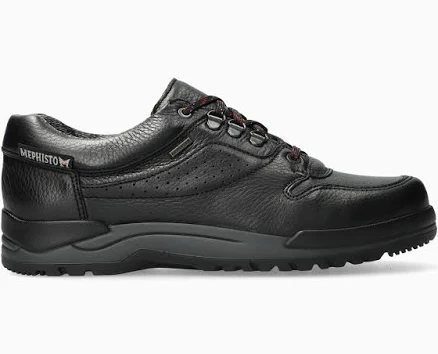
- leather, textile, rubber sole
- We found no PFAS statement from the brand
- Volatile organic compounds (VOC) off-gassing from adhesives
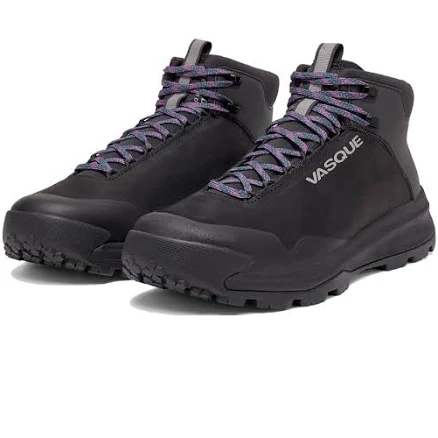
- Leather/nubuck upper, synthetic/rubber sole, no coating disclosed
- We found no PFAS statement from the brand
- Azo dyes (leather/textile coloring)
4 hazards checked on this product, all on its full breakdown.
Find an alternative on AmazonMore waterproof boots grades
How we score, every product runs through the same public 0-100 rubric based on materials, coatings, brand disclosure, lab findings, and recalls. See the full methodology → Spotted a mistake? Report an error.